




The Babies Left Behind in America
The United States is deporting parents without their children, creating a new family-separation crisis. Estela Díaz cares for two-year-old Eber after ICE deported his parents to Venezuela despite his mother’s work permit and pending asylum claim. Eber and his brother Isaac were then separated and placed with undocumented friends in unsafe conditions.
The Baltic States Prepare for War
Lithuania, Latvia, and Estonia are preparing to resist a possible Russian attack, with or without U.S. support. Lithuanian civilians train in state-backed militias for an invasion scenario. Memories of Soviet occupation and Russia’s wars against Georgia and Ukraine shape Baltic security thinking, even after the countries joined NATO in 2004.
The Cities That Said Yes to Drugs
Policies that gave addicts clean needles and places to use drugs were intended to reduce harm. They created a “zombie apocalypse.”
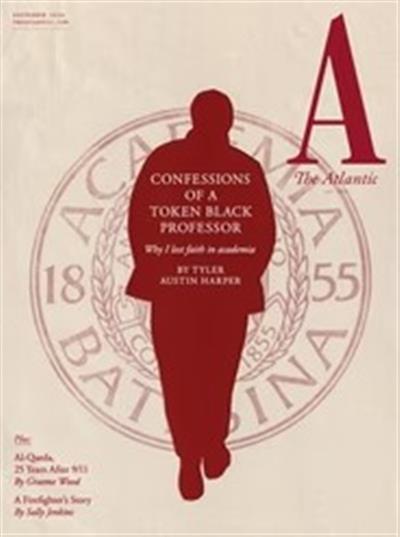
What Happened to al-Qaeda?
Twenty-five years after 9/11, analysts can’t decide if the terrorist organization is all but defunct or more threatening than ever. By Graeme Wood
The Rosenberg Boys
When Ethel and Julius Rosenberg were executed by the U.S. government, they left behind two sons, ages 6 and 10. All these years later, Robby and Michael are still trying to make sense of what happened. By Amy Weiss-Meyer
The Demon Next Door
A growing number of charismatic Christians see themselves as waging a spiritual battle against the forces of Satan. Sometimes those forces are right across the street. By Stephanie McCrummen
How America Gave Up on Its Own History
The debate over how to present American history shows how political and social conflicts hinder the creation of a shared national narrative. Schools, universities, and public institutions struggle to reconcile competing historical perspectives. The lack of agreement on core values and experiences challenges social cohesion and raises questions about the role of history in sustaining democracy.
Use It or Lose It
The removal of a public display of the First Amendment in Washington serves as a starting point for a discussion on the importance of actively exercising freedom of speech and the press. The text argues that democratic rights endure only when citizens use them. Historical sites and symbols alone cannot guarantee the protection of fundamental freedoms.
Denyce Graves’s Second Act
Denyce Graves, one of opera’s defining voices, is stepping away from the stage after an extraordinary career. Her artistic work, however, has never been limited to performance. Alongside her international success, she has increasingly devoted herself to educational, cultural, and social initiatives. Even after leaving the opera stage, she remains a key figure, channeling her experience and voice into new forms of engagement.
The Venture-Capital Populist
The political and technological realignment around the new tech right in the United States illustrates how closely digital power, ideology, and proximity to government have become intertwined. Silicon Valley figures such as David Sacks exemplify a movement that is increasingly shifting economic influence, political networks, and cultural agendas toward the Trump camp, thereby reshaping access to power in Washington.


Das 1857 gegründete englischsprachige Magazin The Atlantic ursprünglich eine Monatszeitschrift, erscheint heute zehnmal jährlich und hat 425.000 Abonnenten.
The Atlantic bis 2007 offiziell The Atlantic Monthly, auch zuvor aber schon umgangssprachlich The Atlantic benannt, ist eine amerikanische Zeitschrift. Sie kommentierte ursprünglich vor allem literarische und kulturelle Themen und enthält heute mehr Artikel und Kommentare zur Politik und Außenpolitik sowie Rezensionen. Seit mehr als 150 Jahren ist The Atlantic die führende Zeitschrift für Berichterstattungen und Analysen in den Bereichen Zeitgeschehen, internationale Angelegenheiten und Kultur. Es hat sich viel verändert, seit Ralph Waldo Emerson, Oliver Wendell Holmes, Henry Wadsworth Longfellow, James Russell Lowell und Harriet Beecher Stowe im Jahre 1857 die erste Ausgabe planten. Aber schon seit der Gründung der Zeitschrift hat The Atlantic einigen der provokativsten Ideen und Vorstellungen ihrer Zeit, vom Naturalismus eines Henry David Thoreau bis hin zu den Aufrufen zur Gerechtigkeit eines Martin Luther King, eine Stimme gegeben.
The Atlantic ist ein ideales Magazin für alle, die Interesse an Kultur, guter Unterhaltung, amerikanischer Politik und Außenpolitik haben.
The Atlantic enthält Beiträge renommierter Journalisten und Schriftsteller. Die Zeitschrift setzt unbeirrt auf die Veröffentlichung der Beiträge von Autoren, deren Ideen zur positiven Entwicklung der Gesellschaft beitragen. Heute zählt The Atlantic 1,5 Millionen Leser.
Der Verlag, Atlantic Media hat es sich zur Aufgabe gemacht, Meinungsführer mit bahnbrechenden Ideen und originellen Einblicken auszustatten. Seine starken Marken, darunter The Atlantic , Government Executive, National Journal, Quartz und Defense One, erreichen Marktführer in allen Sektoren - Verbraucher, Unternehmen, Medien und Regierung. Strategisch auf die einzigartigen Bedürfnisse dieser Community zugeschnitten, bietet das innovative Portfolio von Atlantic Media mit seinen digitalen, Print-, Event-, Social- und Mobile-Plattformen monatlich ein einflussreiches Publikum von über 30 Millionen Besuchern weltweit. 2017 kaufte die Witwe des Apple-Gründers Steve Jobs, über ihre Firma Emerson Collective einen Mehrheitsanteil am US-Magazin The Atlantic .
The Atlantic fällt in die Kategorie der Monatsmagazine Zeitschriften , Schnittmengen gibt es z.B. mit Time Magazin oder in deutscher Sprache dem Spiegel.
The Babies Left Behind in America
The United States is deporting parents without their children, creating a new family-separation crisis. Estela Díaz cares for two-year-old Eber after ICE deported his parents to Venezuela despite his mother’s work permit and pending asylum claim. Eber and his brother Isaac were then separated and placed with undocumented friends in unsafe conditions.
The Baltic States Prepare for War
Lithuania, Latvia, and Estonia are preparing to resist a possible Russian attack, with or without U.S. support. Lithuanian civilians train in state-backed militias for an invasion scenario. Memories of Soviet occupation and Russia’s wars against Georgia and Ukraine shape Baltic security thinking, even after the countries joined NATO in 2004.
The Cities That Said Yes to Drugs
Policies that gave addicts clean needles and places to use drugs were intended to reduce harm. They created a “zombie apocalypse.”
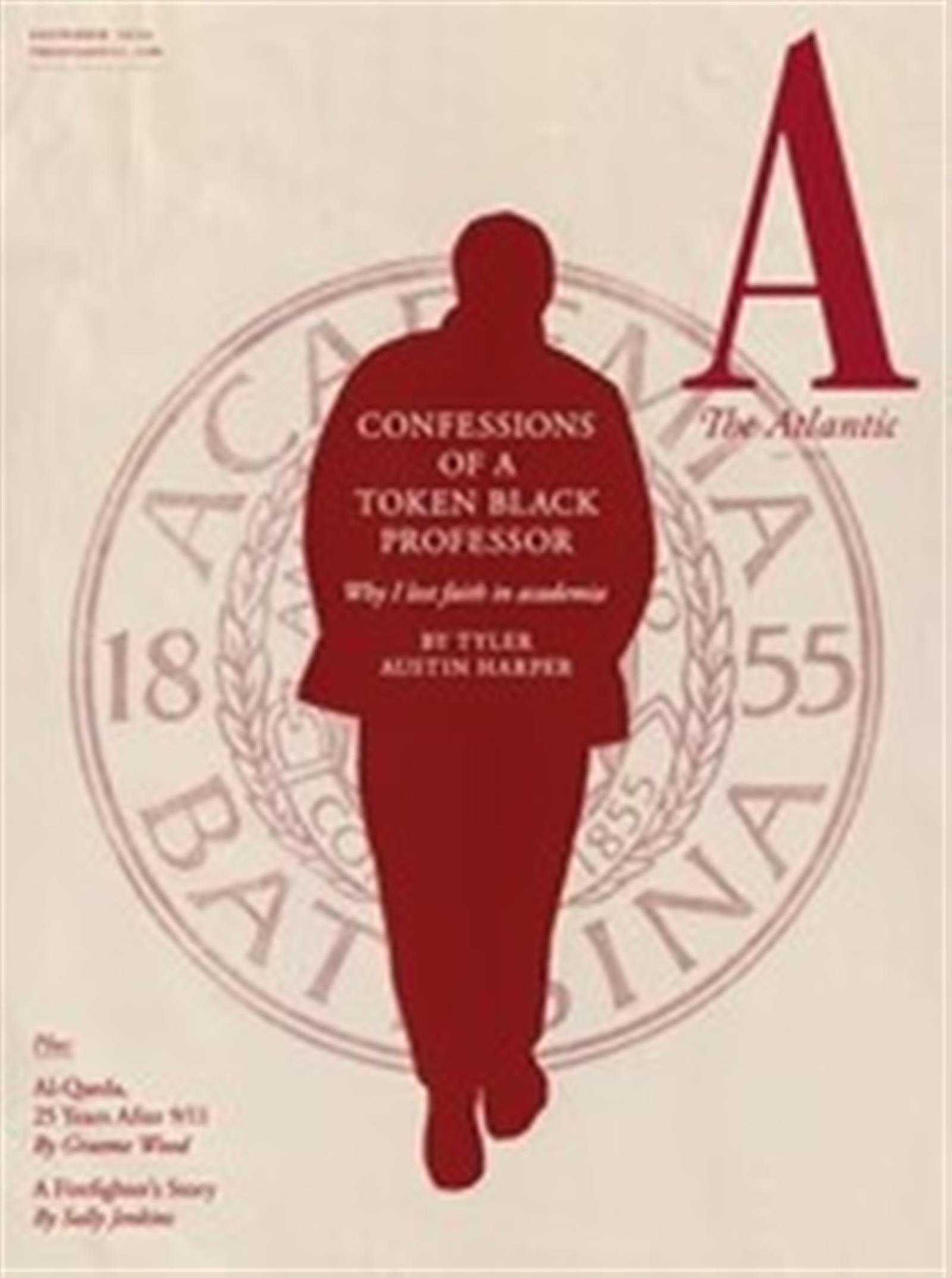
What Happened to al-Qaeda?
Twenty-five years after 9/11, analysts can’t decide if the terrorist organization is all but defunct or more threatening than ever. By Graeme Wood
The Rosenberg Boys
When Ethel and Julius Rosenberg were executed by the U.S. government, they left behind two sons, ages 6 and 10. All these years later, Robby and Michael are still trying to make sense of what happened. By Amy Weiss-Meyer
The Demon Next Door
A growing number of charismatic Christians see themselves as waging a spiritual battle against the forces of Satan. Sometimes those forces are right across the street. By Stephanie McCrummen
How America Gave Up on Its Own History
The debate over how to present American history shows how political and social conflicts hinder the creation of a shared national narrative. Schools, universities, and public institutions struggle to reconcile competing historical perspectives. The lack of agreement on core values and experiences challenges social cohesion and raises questions about the role of history in sustaining democracy.
Use It or Lose It
The removal of a public display of the First Amendment in Washington serves as a starting point for a discussion on the importance of actively exercising freedom of speech and the press. The text argues that democratic rights endure only when citizens use them. Historical sites and symbols alone cannot guarantee the protection of fundamental freedoms.
Denyce Graves’s Second Act
Denyce Graves, one of opera’s defining voices, is stepping away from the stage after an extraordinary career. Her artistic work, however, has never been limited to performance. Alongside her international success, she has increasingly devoted herself to educational, cultural, and social initiatives. Even after leaving the opera stage, she remains a key figure, channeling her experience and voice into new forms of engagement.
The Venture-Capital Populist
The political and technological realignment around the new tech right in the United States illustrates how closely digital power, ideology, and proximity to government have become intertwined. Silicon Valley figures such as David Sacks exemplify a movement that is increasingly shifting economic influence, political networks, and cultural agendas toward the Trump camp, thereby reshaping access to power in Washington.
Das 1857 gegründete englischsprachige Magazin The Atlantic ursprünglich eine Monatszeitschrift, erscheint heute zehnmal jährlich und hat 425.000 Abonnenten.
The Atlantic bis 2007 offiziell The Atlantic Monthly, auch zuvor aber schon umgangssprachlich The Atlantic benannt, ist eine amerikanische Zeitschrift. Sie kommentierte ursprünglich vor allem literarische und kulturelle Themen und enthält heute mehr Artikel und Kommentare zur Politik und Außenpolitik sowie Rezensionen. Seit mehr als 150 Jahren ist The Atlantic die führende Zeitschrift für Berichterstattungen und Analysen in den Bereichen Zeitgeschehen, internationale Angelegenheiten und Kultur. Es hat sich viel verändert, seit Ralph Waldo Emerson, Oliver Wendell Holmes, Henry Wadsworth Longfellow, James Russell Lowell und Harriet Beecher Stowe im Jahre 1857 die erste Ausgabe planten. Aber schon seit der Gründung der Zeitschrift hat The Atlantic einigen der provokativsten Ideen und Vorstellungen ihrer Zeit, vom Naturalismus eines Henry David Thoreau bis hin zu den Aufrufen zur Gerechtigkeit eines Martin Luther King, eine Stimme gegeben.
The Atlantic ist ein ideales Magazin für alle, die Interesse an Kultur, guter Unterhaltung, amerikanischer Politik und Außenpolitik haben.
The Atlantic enthält Beiträge renommierter Journalisten und Schriftsteller. Die Zeitschrift setzt unbeirrt auf die Veröffentlichung der Beiträge von Autoren, deren Ideen zur positiven Entwicklung der Gesellschaft beitragen. Heute zählt The Atlantic 1,5 Millionen Leser.
Der Verlag, Atlantic Media hat es sich zur Aufgabe gemacht, Meinungsführer mit bahnbrechenden Ideen und originellen Einblicken auszustatten. Seine starken Marken, darunter The Atlantic , Government Executive, National Journal, Quartz und Defense One, erreichen Marktführer in allen Sektoren - Verbraucher, Unternehmen, Medien und Regierung. Strategisch auf die einzigartigen Bedürfnisse dieser Community zugeschnitten, bietet das innovative Portfolio von Atlantic Media mit seinen digitalen, Print-, Event-, Social- und Mobile-Plattformen monatlich ein einflussreiches Publikum von über 30 Millionen Besuchern weltweit. 2017 kaufte die Witwe des Apple-Gründers Steve Jobs, über ihre Firma Emerson Collective einen Mehrheitsanteil am US-Magazin The Atlantic .
The Atlantic fällt in die Kategorie der Monatsmagazine Zeitschriften , Schnittmengen gibt es z.B. mit Time Magazin oder in deutscher Sprache dem Spiegel.
 4,56
5,00
4,75
4,44
5,00
4,67
4,88
5,00
5,00
4,40
4,63
4,80
4,77
5,00
4,40
4,50
4,24
4,53
4,83
4,80
4,84
5,00
4,77
4,17
5,00
4,57
4,47
4,71
4,87