


China is gaining troubling military know-how from Russia
Military cooperation between China and Russia is raising growing concerns in Western countries. While China supports Russia in the war in Ukraine with technologies and components, Beijing is increasingly benefiting from Russian expertise in areas such as drones, submarine technology, and air defence. This development could strengthen China’s military capabilities and affect the strategic balance in the Indo-Pacific region.
Lebanon has a chance to break free of Hizbullah
Lebanon has an opportunity to regain political and economic stability and reduce the influence of Hizbullah. Achieving this would require effective state institutions, structural reforms, and improved governance. In light of the country’s historical challenges and foreign interference, its potential to re-emerge as a regional economic hub is being reassessed.
China is dealing with its own manosphere
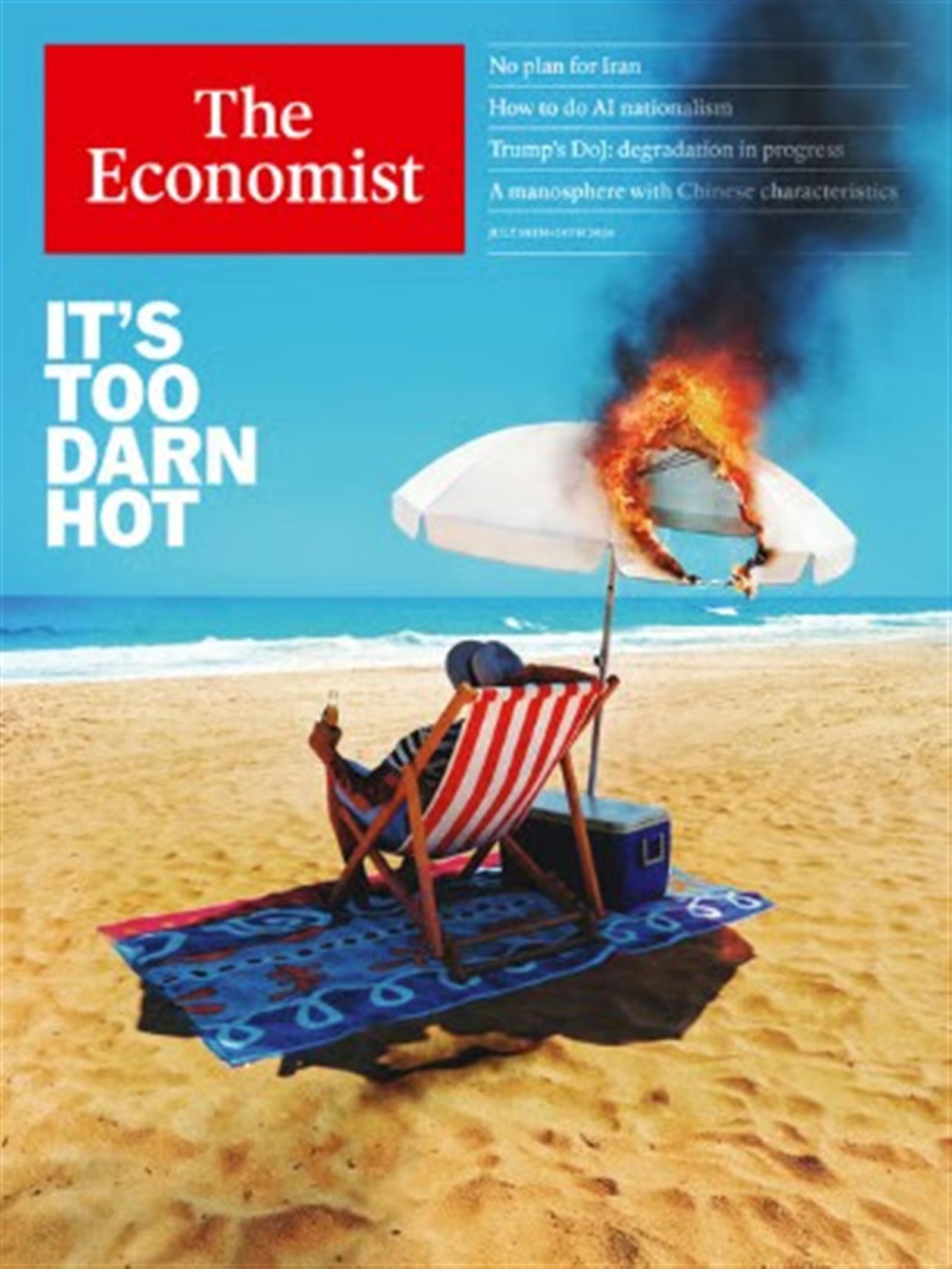
Misogynistic content is also spreading in parts of China’s online culture. Male influencers use social media to criticize feminist movements and intensify gender-related conflicts. The digital men’s movement combines personal grievances with nationalist arguments and reflects broader social tensions surrounding gender roles.
The Ebola epidemic is getting out of control
An Ebola outbreak in the Democratic Republic of Congo is spreading rapidly and has reached several provinces. A lack of protective equipment and limited medical resources are complicating efforts to contain the epidemic. Health facilities are struggling with rising numbers of patients, while the risk of further transmission to neighboring countries is increasing.
Child suspects are being prosecuted at younger ages
Several countries are lowering the age of criminal responsibility in response to rising youth crime. However, cases such as the use of a 13-year-old to carry out an armed attack demonstrate how easily minors can be exploited. Lowering the age for criminal prosecution could therefore be counterproductive and fail to address the underlying structural causes.
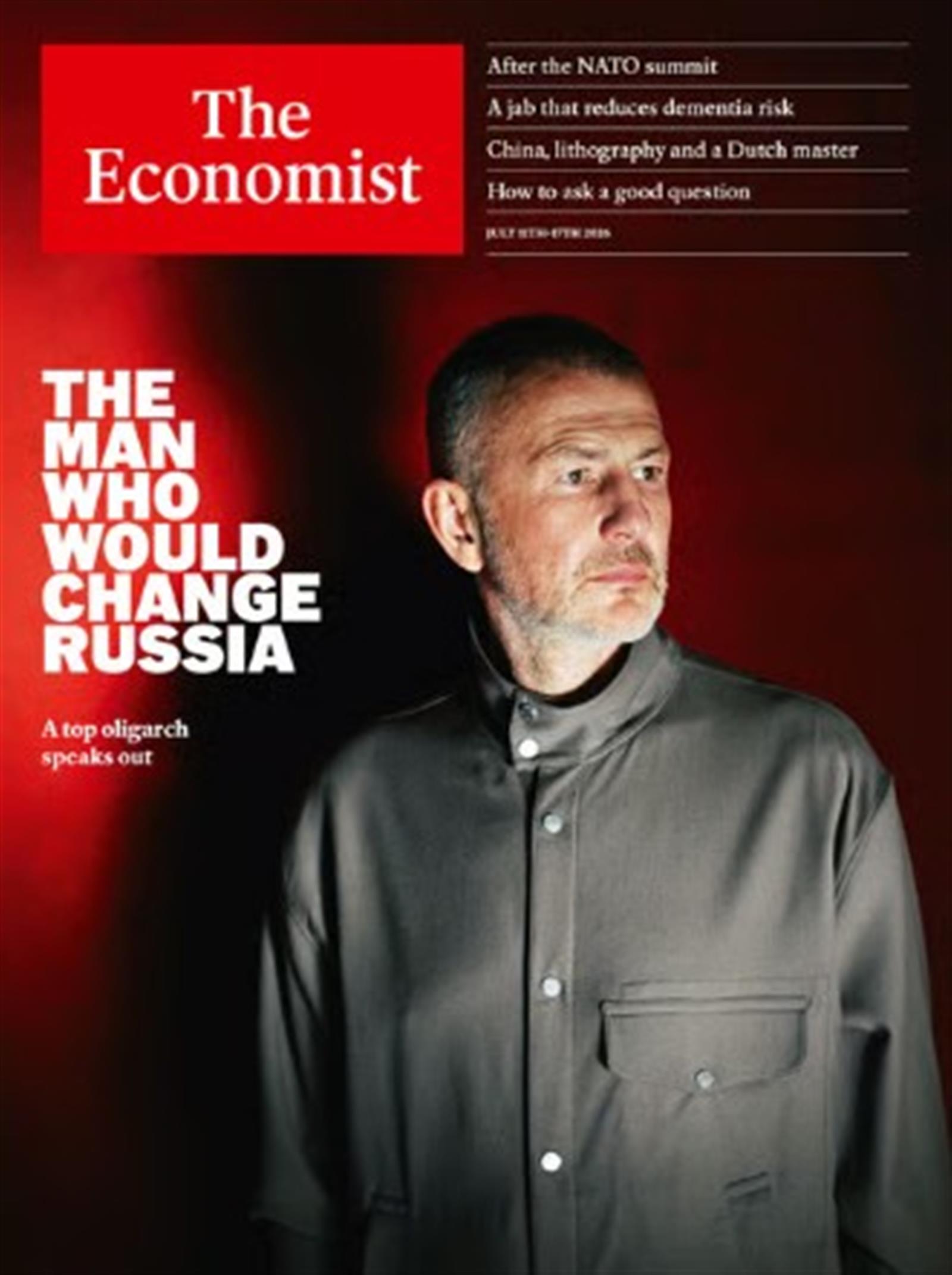
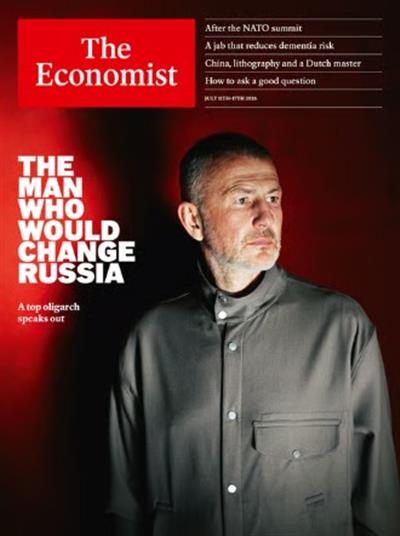
The man who would change Russia
The oligarch’s warning may indicate growing concern among influential figures in Russia about the country’s current direction. Whether such criticism will have an impact on political decision-making remains uncertain, but future developments could shape both Russia’s domestic stability and the course of the war in Ukraine.
NATO ponders how to defend Eastern Europe as America pulls back
NATO allies are preparing for a potential reduction in US security commitments to Europe, shifting focus to strengthening defence along the eastern flank. Exercises in the Baltic region highlight efforts to secure the Suwałki corridor and improve rapid response capabilities. German armoured units training near Belarus underscore the growing emphasis on readiness, concealment and counter-drone warfare in a more uncertain security environment.
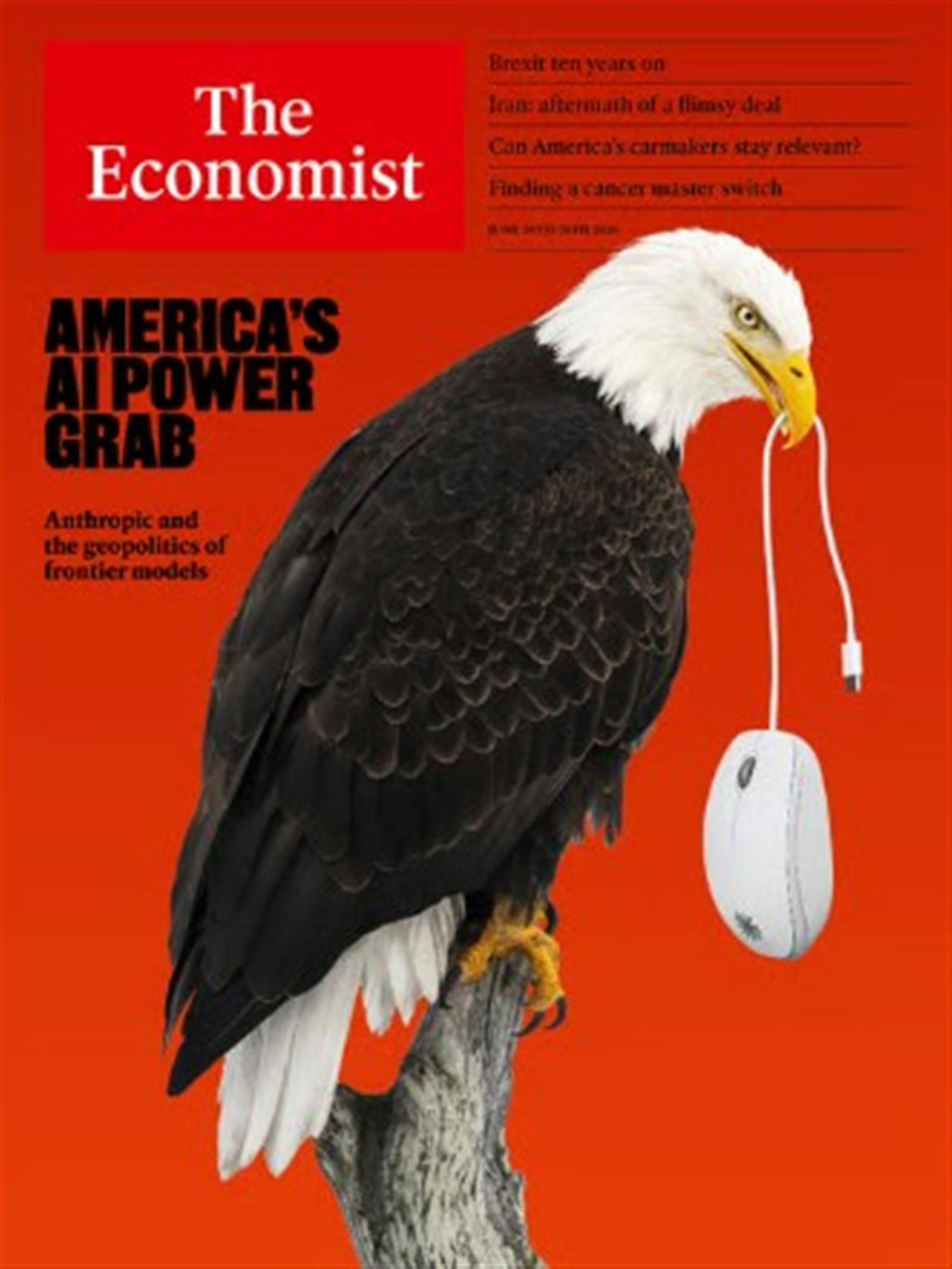
The AI boom and geopolitics are rewiring Asia’s oceans
Geopolitical tensions and the expansion of AI infrastructure are reshaping the strategic role of Asia’s oceans. New data cables linking major data centres are being routed away from China and key maritime chokepoints. At the same time, concerns are growing over the vulnerability of the roughly 700 submarine communication cables that form the backbone of global digital connectivity.
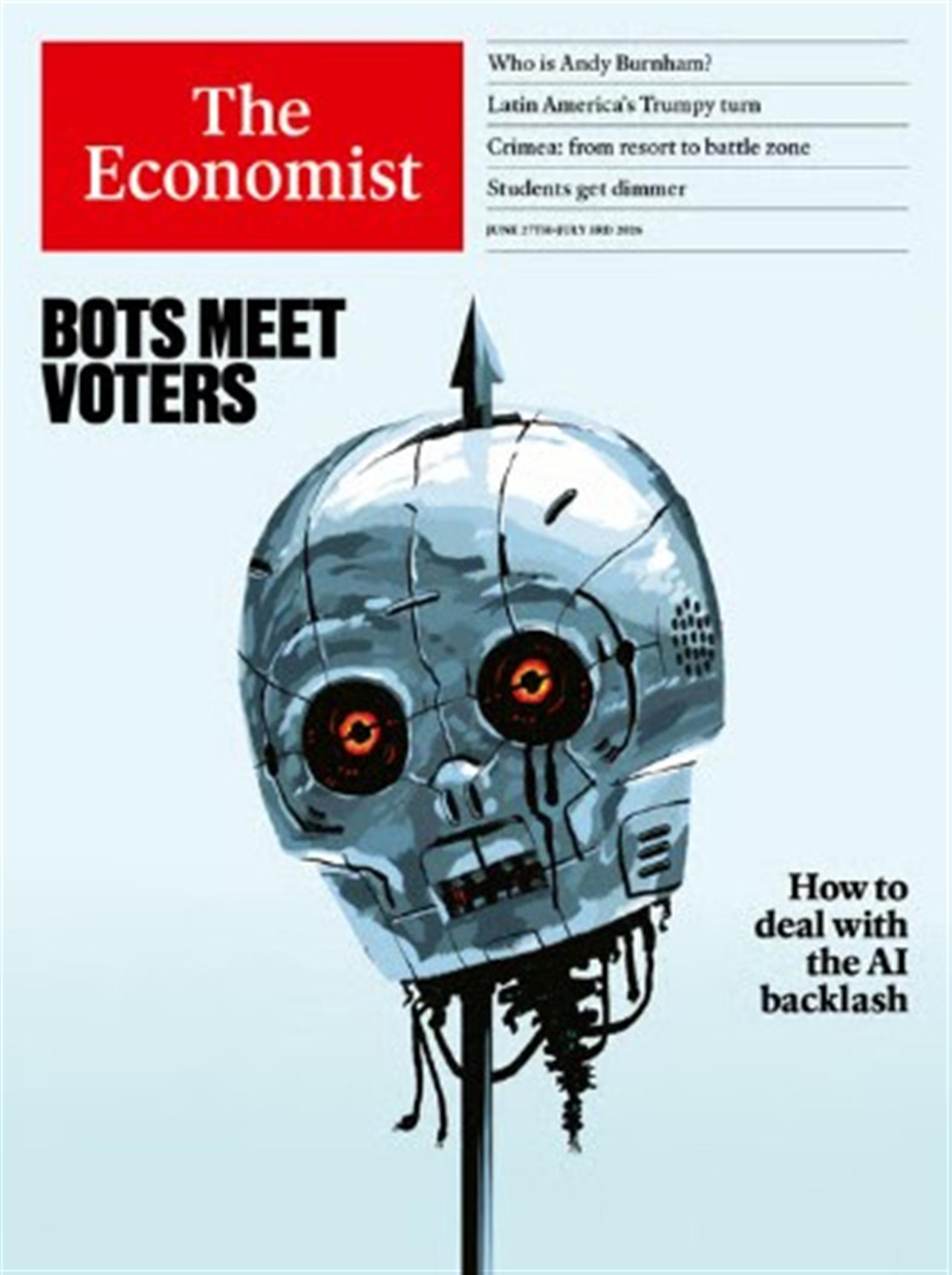
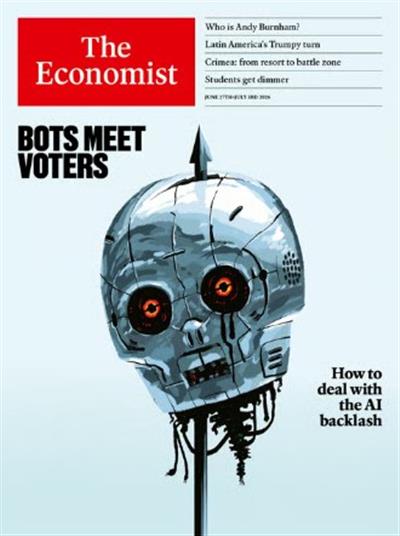
The AI backlash is only getting started
Artificial intelligence is causing growing anxiety not only among techies but also among voters. In America, protests against data centers have derailed nearly $100bn in projects, rival AI megadonors are pouring tens of millions into a congressional race, and about 40% of voters want AI banned from most industries. Conflicts are also emerging in South Korea.
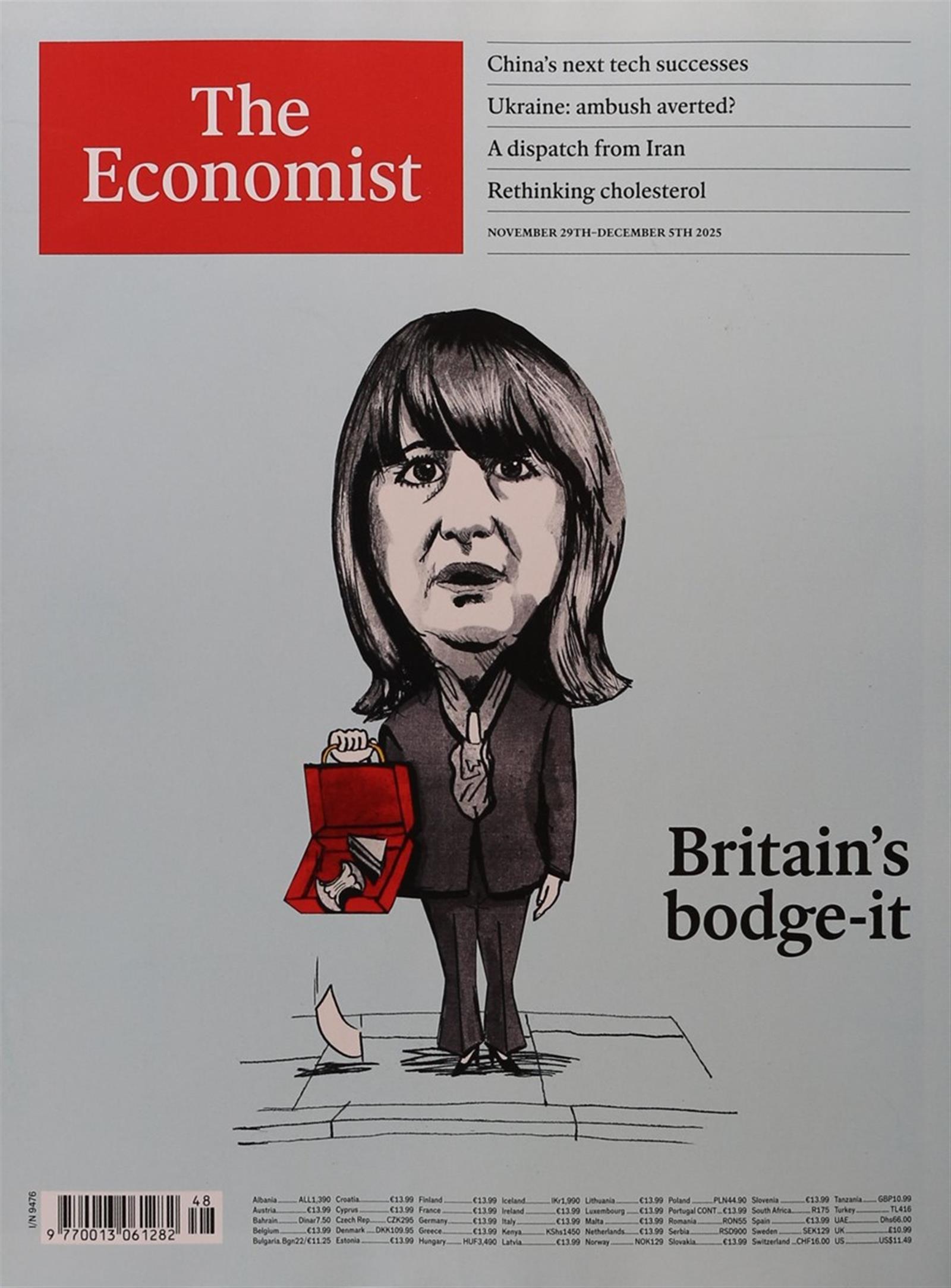
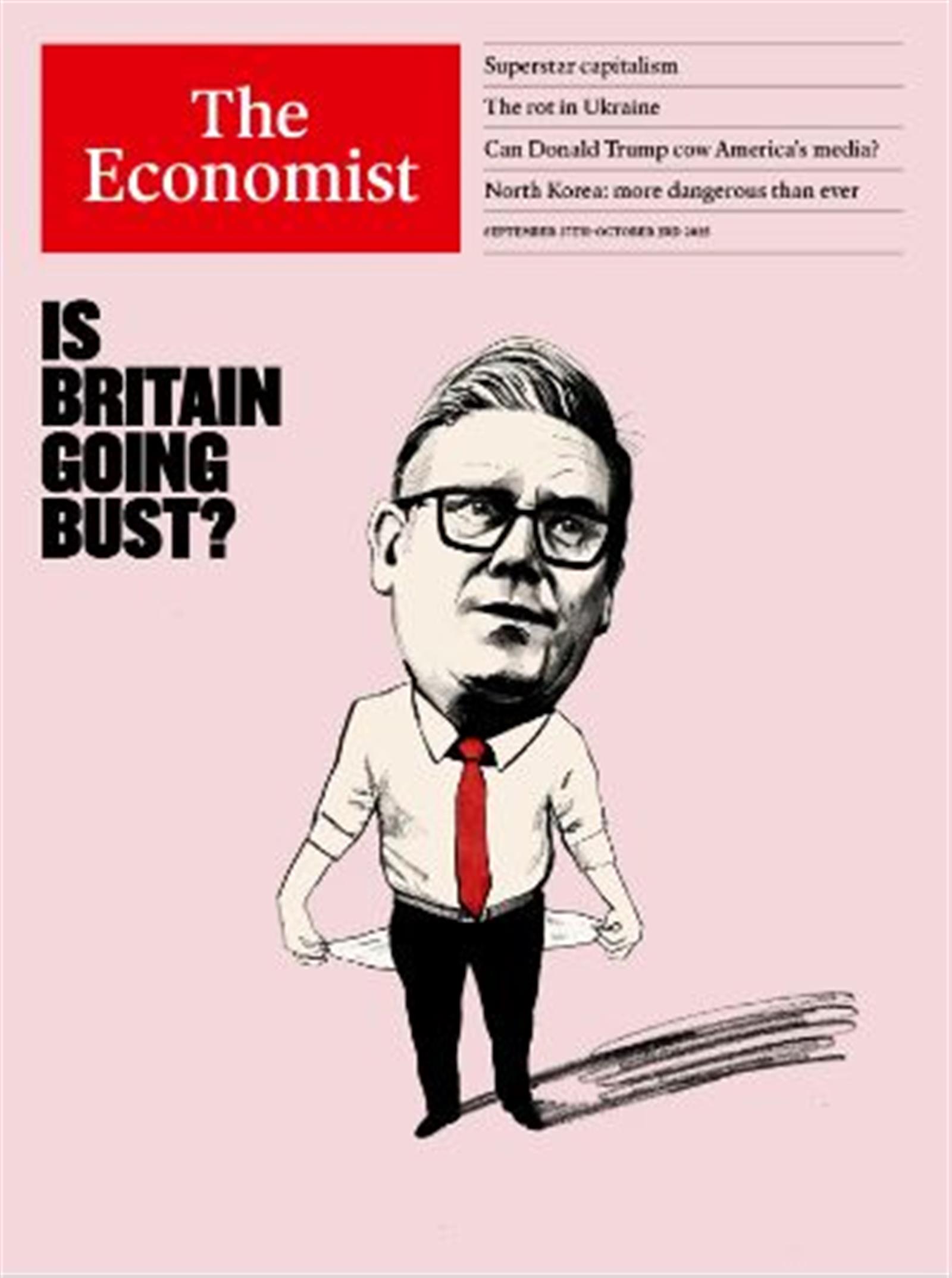
Andy Burnham promises hope. Britain needs more than that
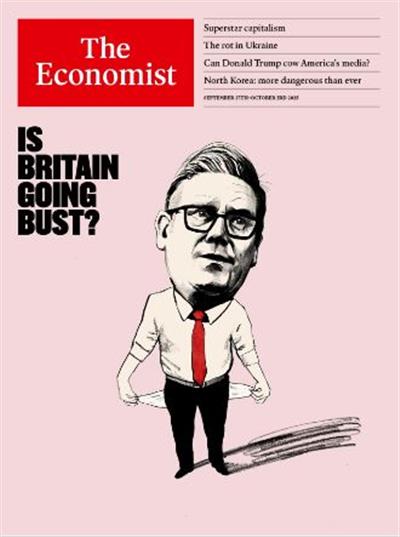
Britain’s decline appears in many signs: feeble growth, public debt at 95% of GDP, struggling public services and depleted armed forces. Streets feel grubby, the electorate is in a foul mood, and even the BBC has cancelled the “Doctor Who” Christmas special.
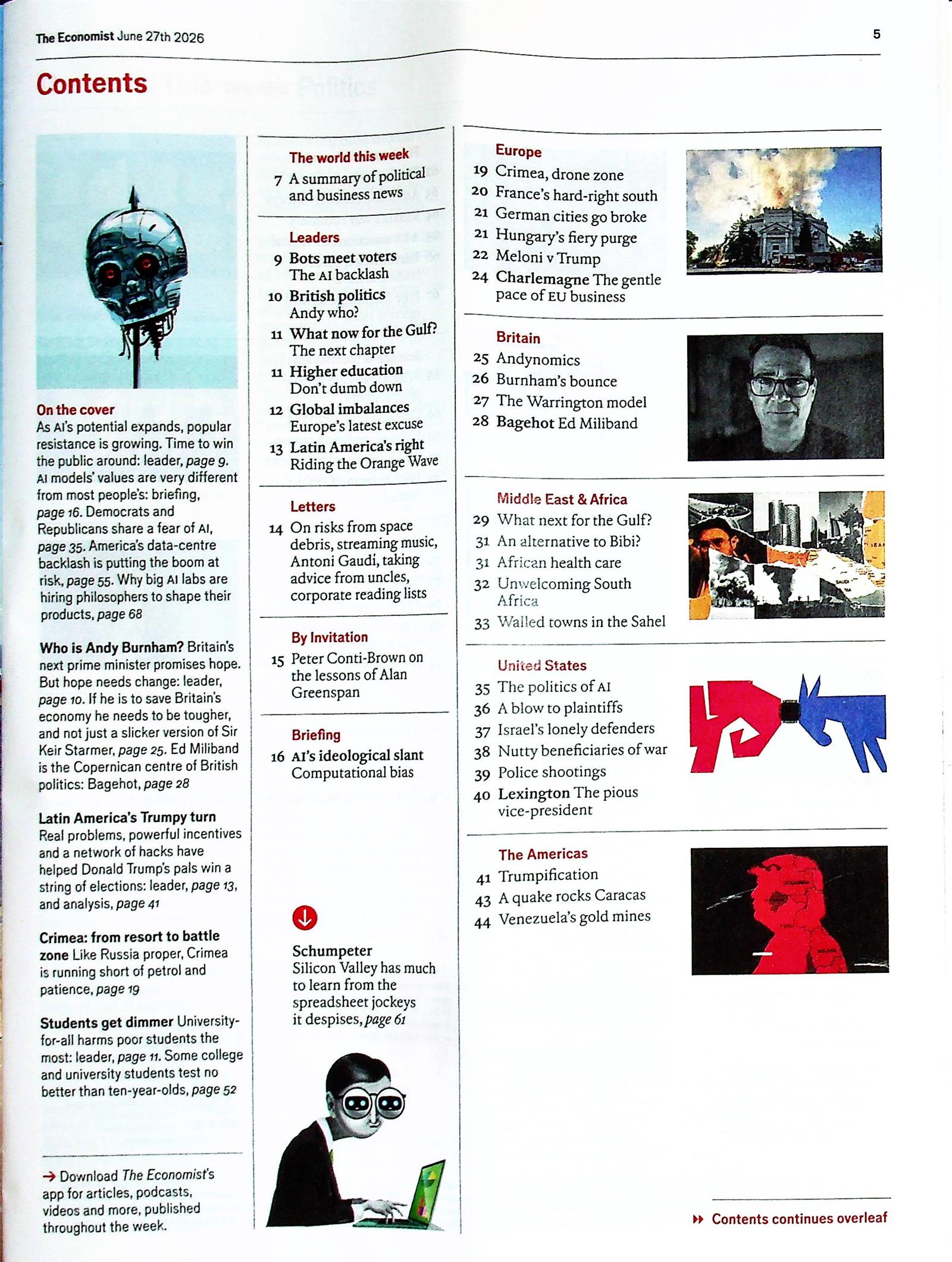
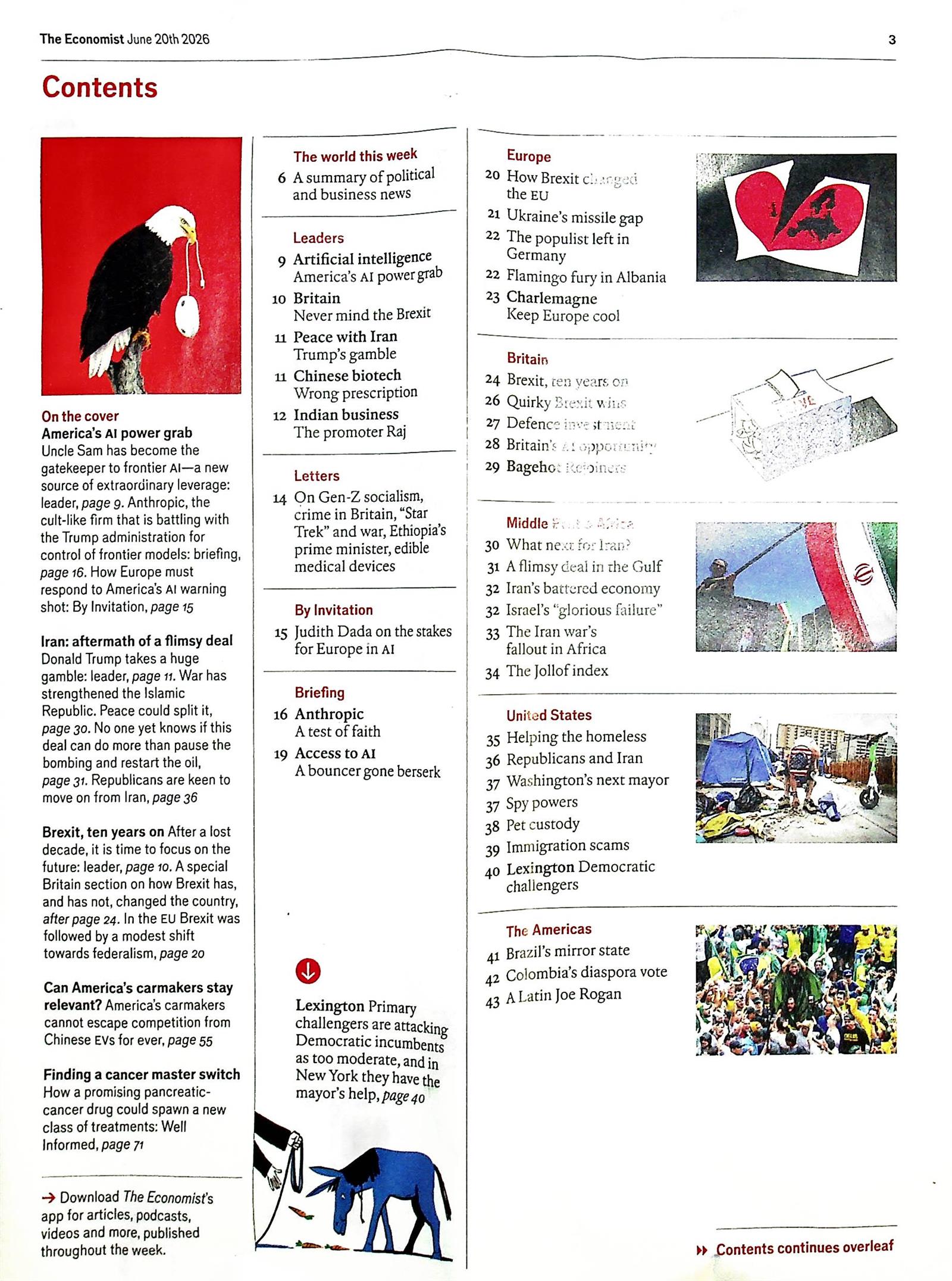
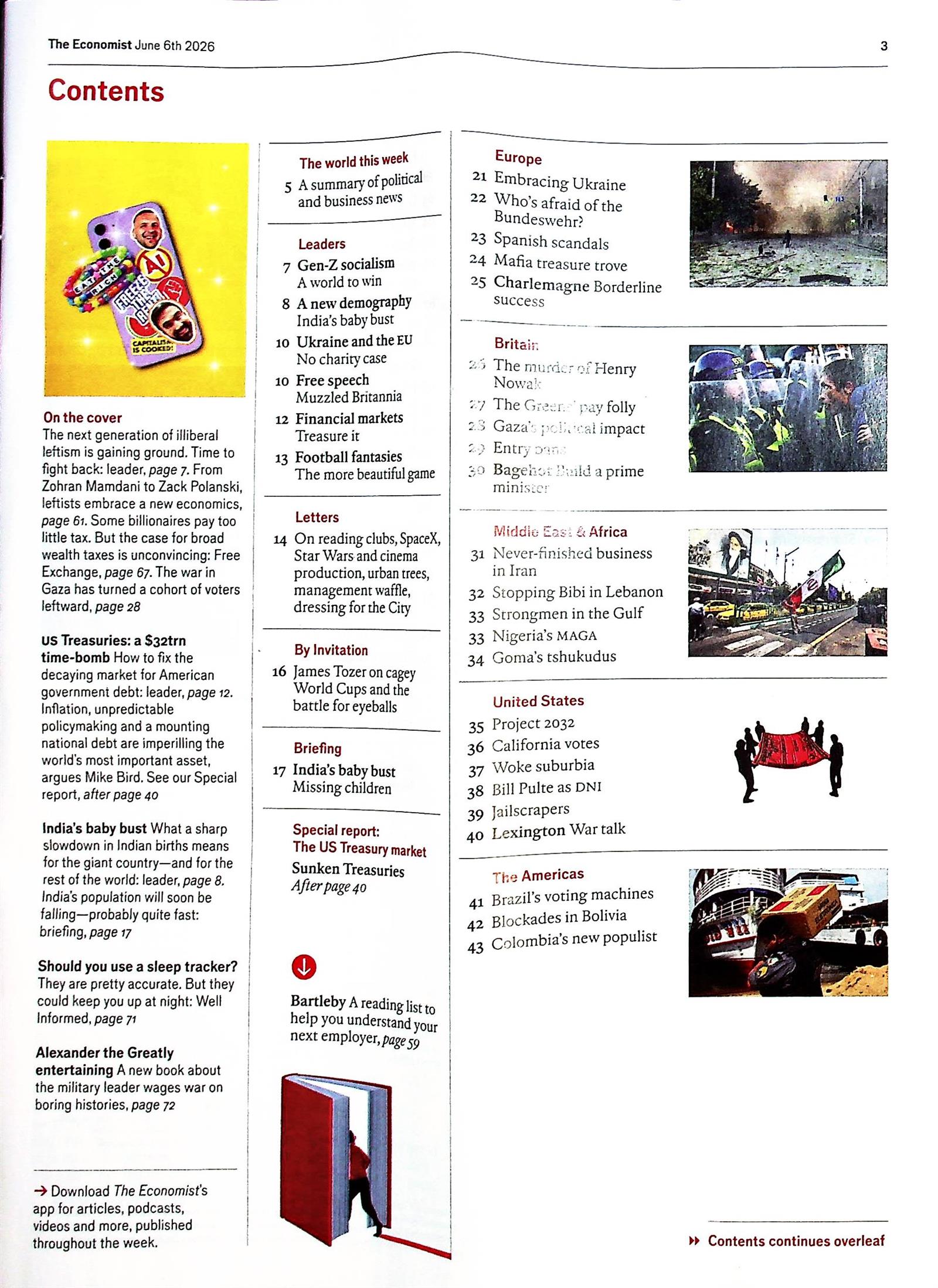
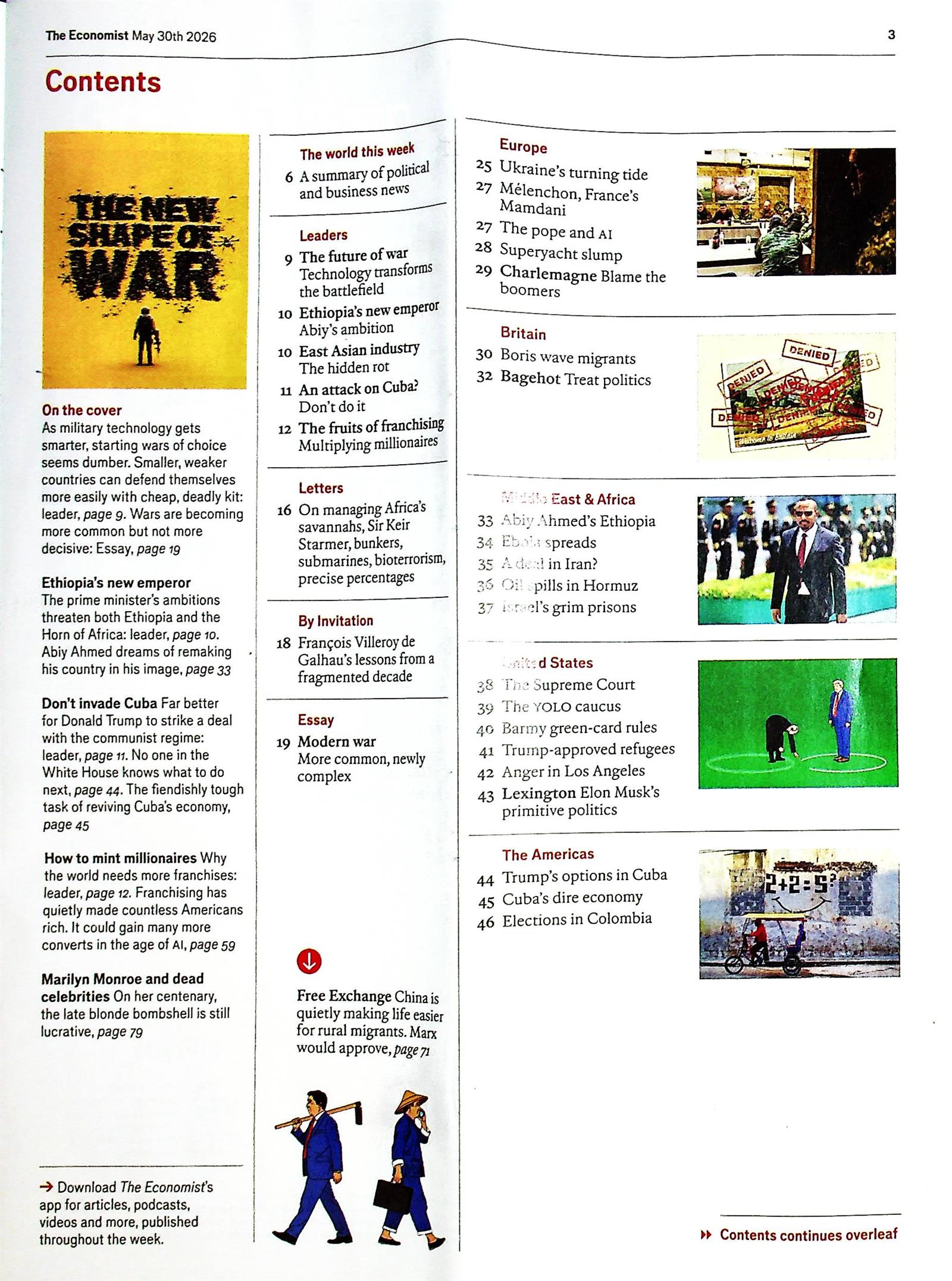
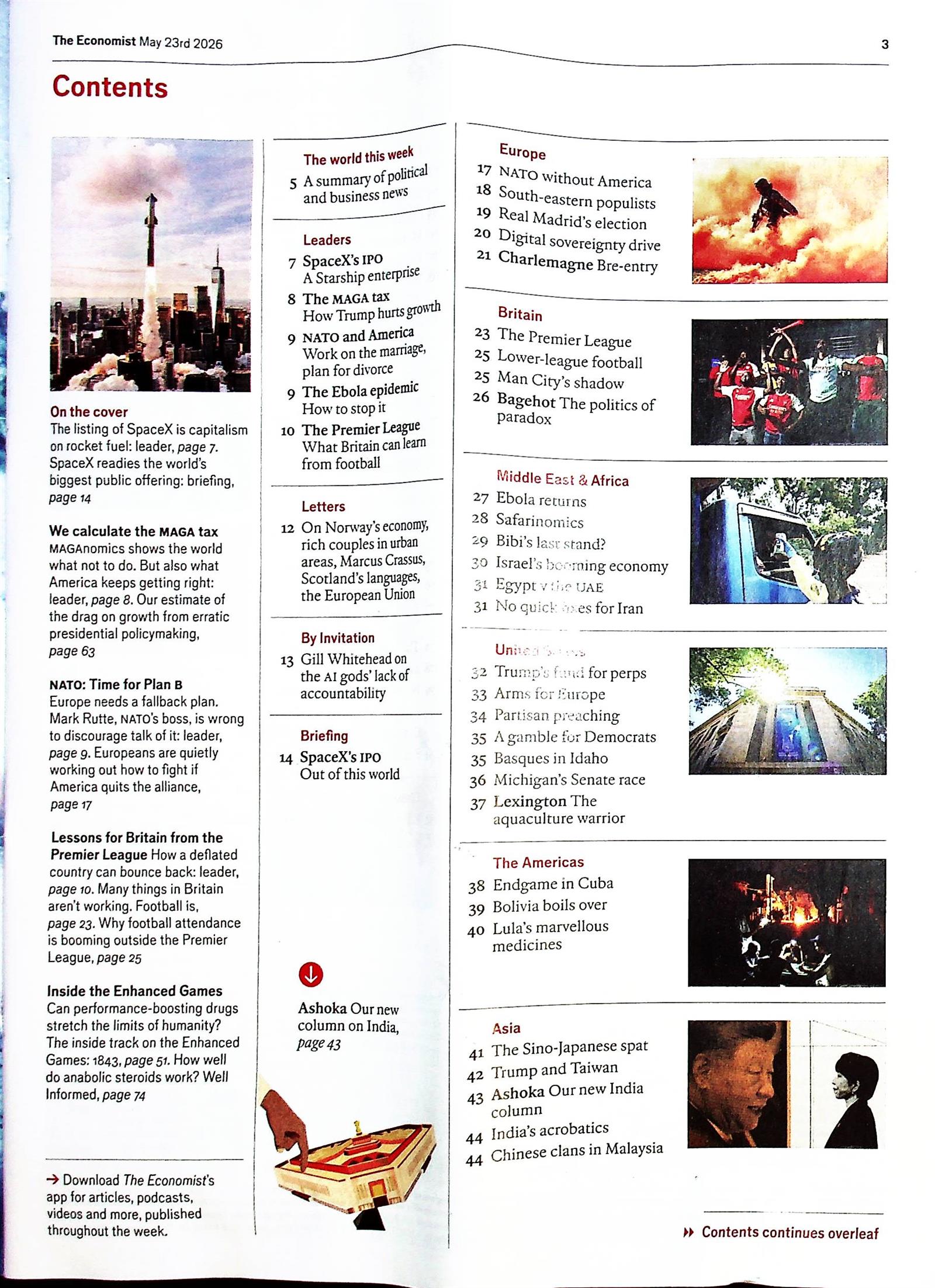
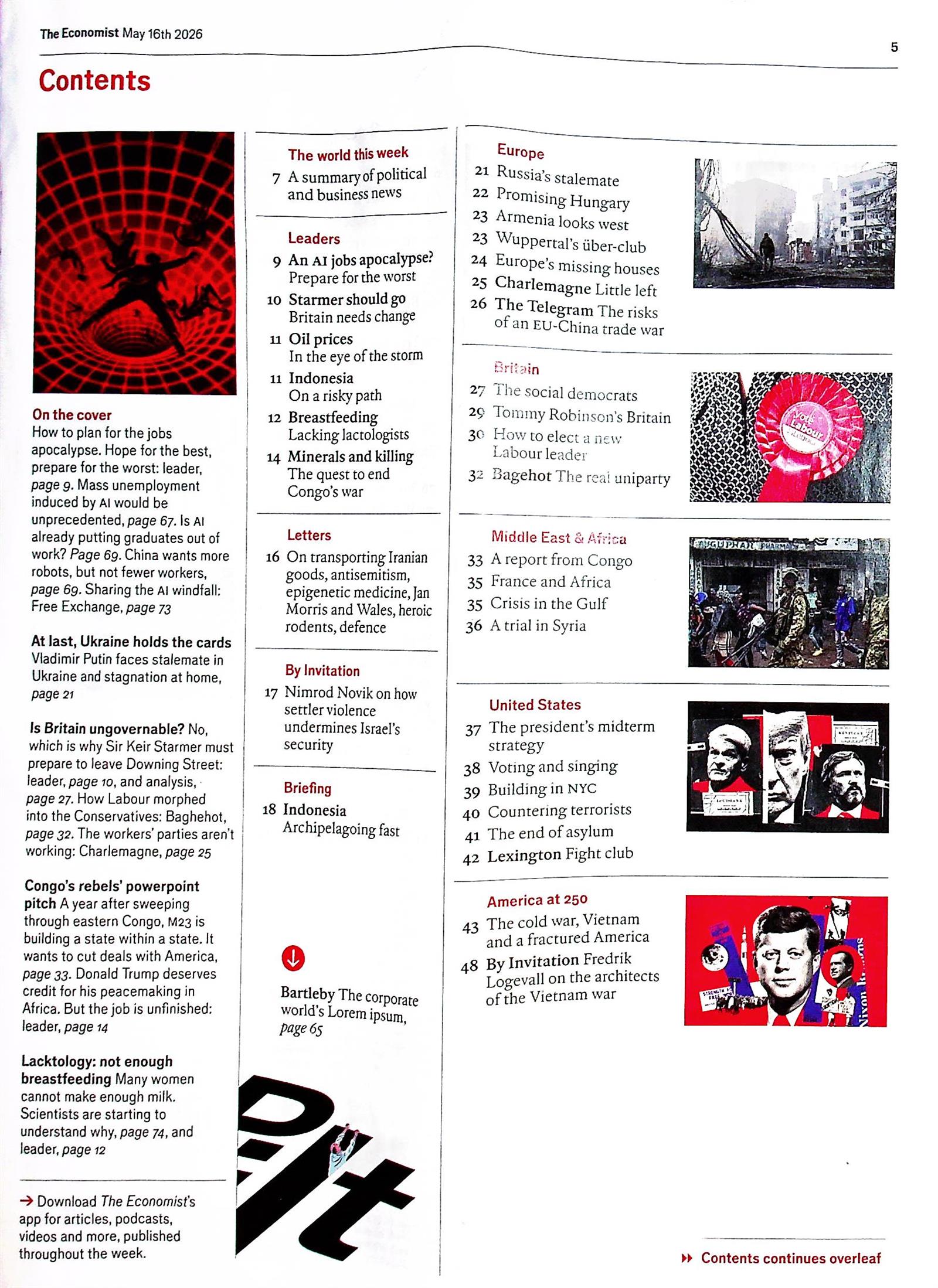
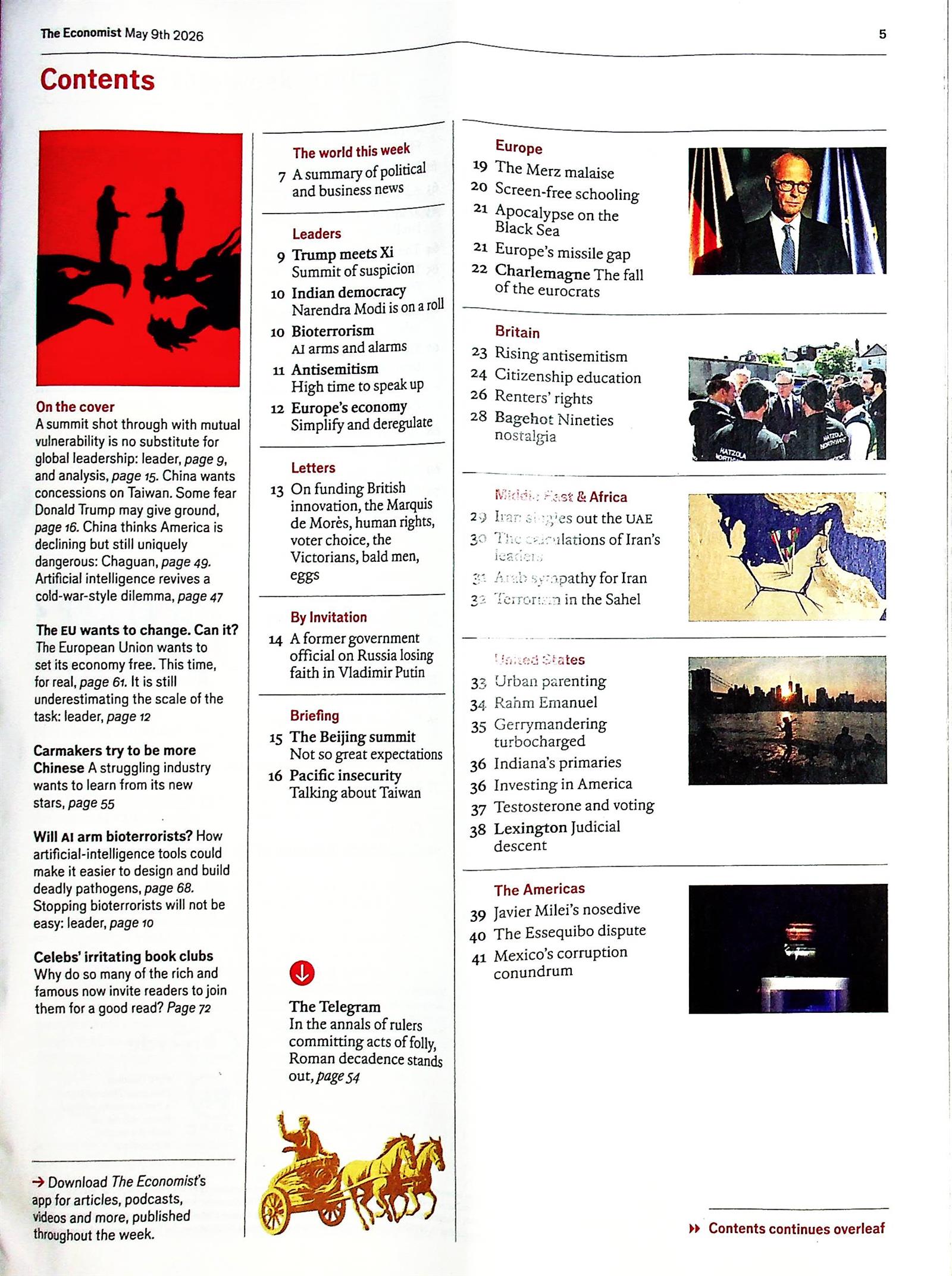
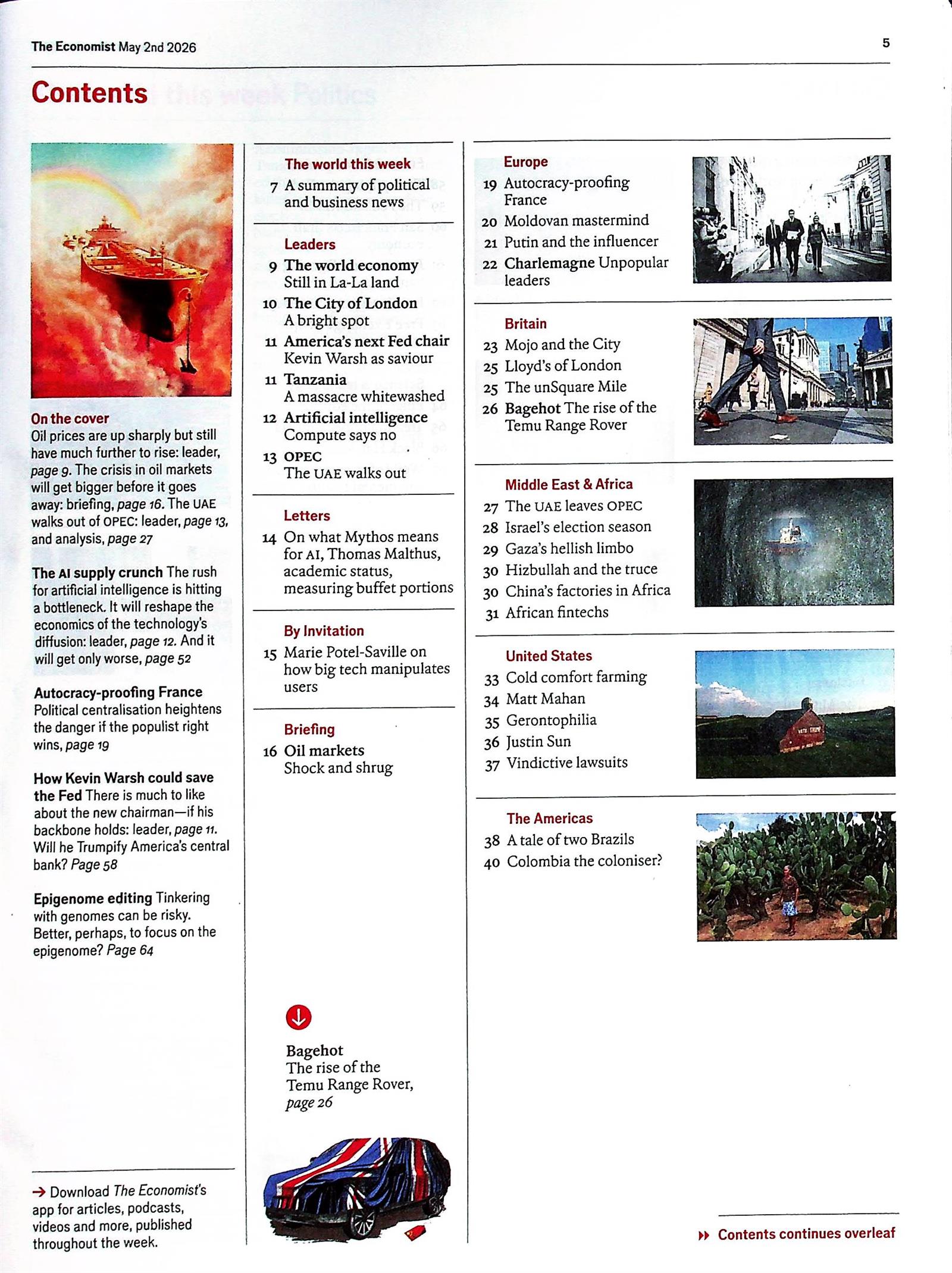
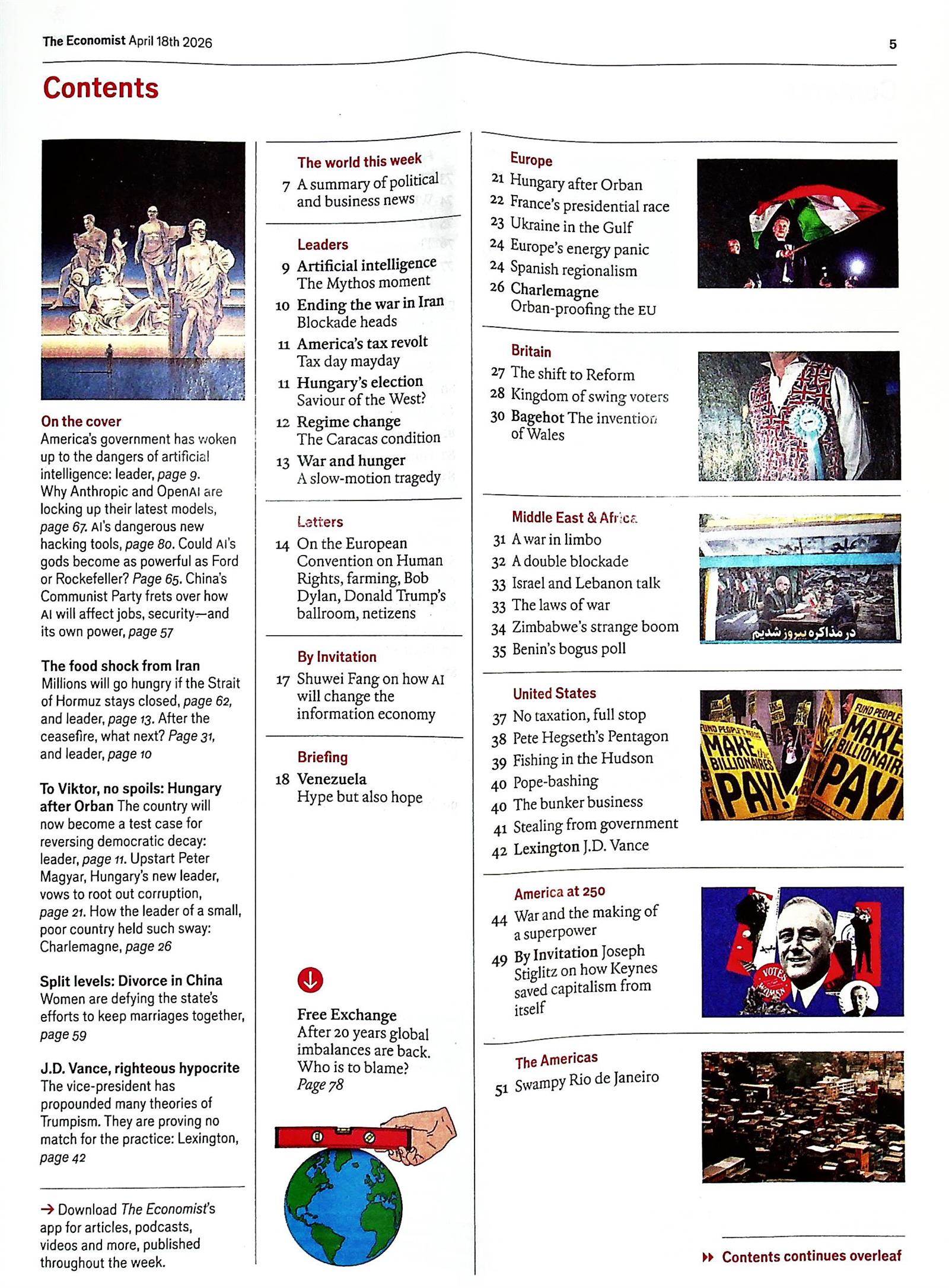
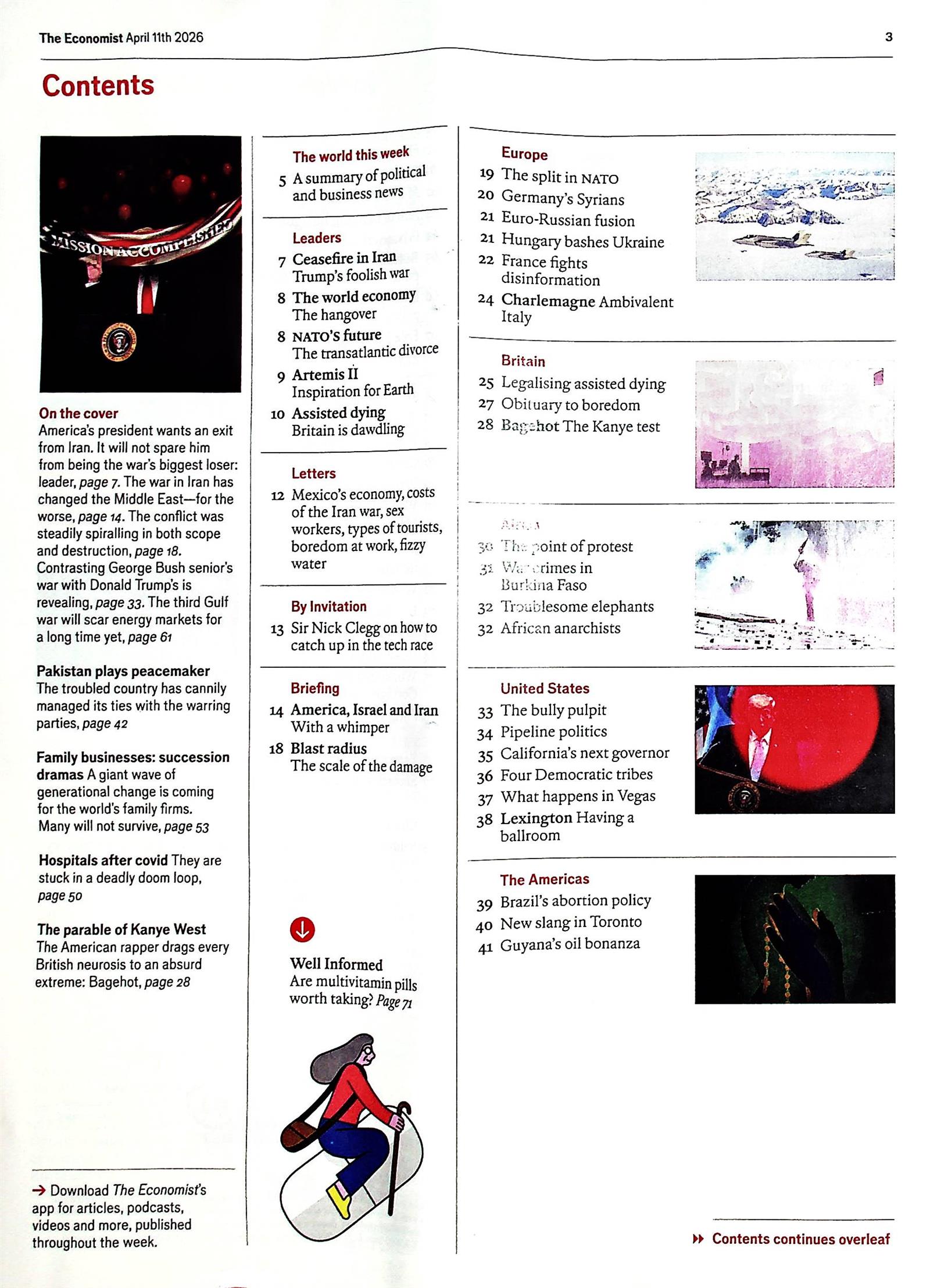
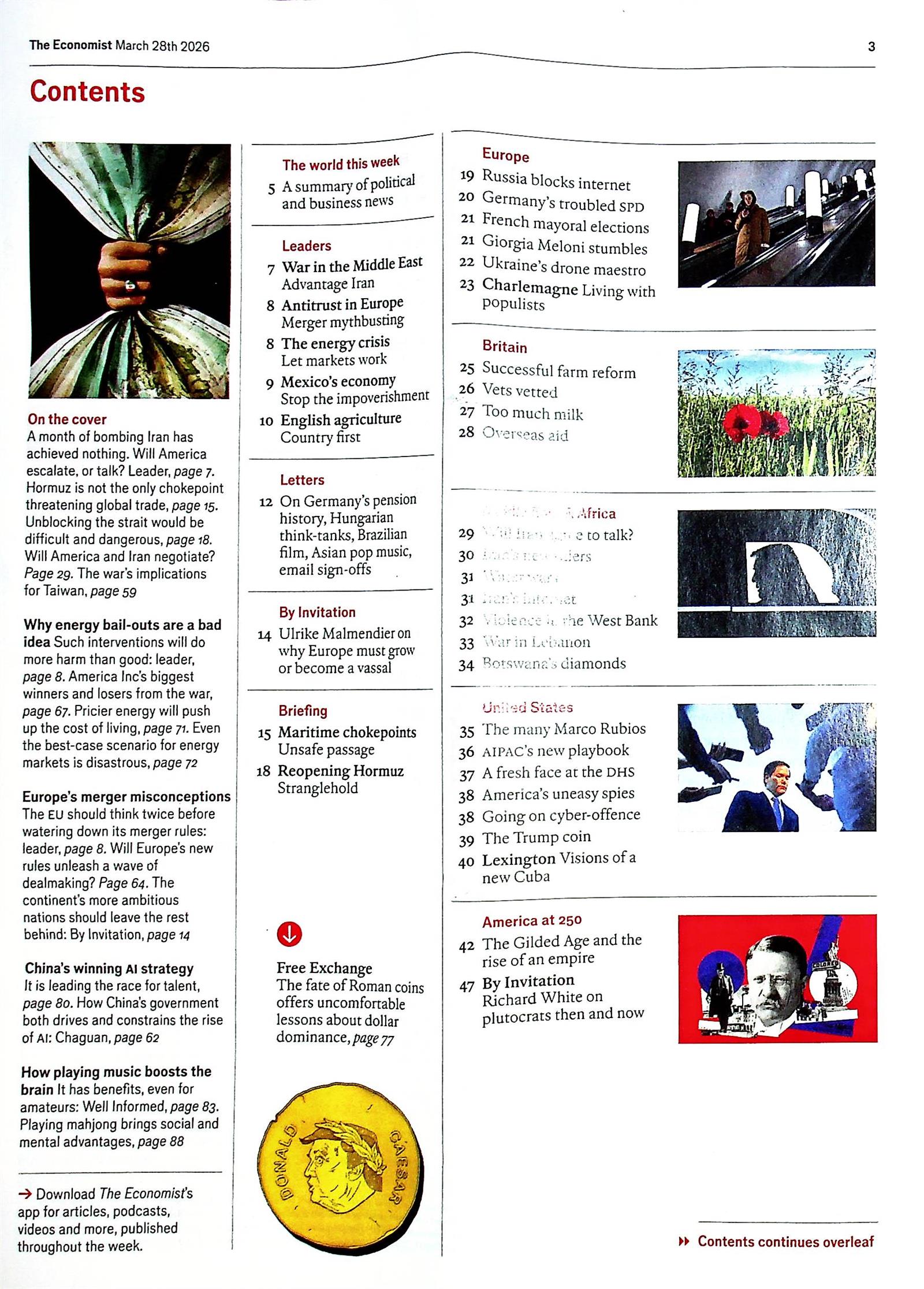
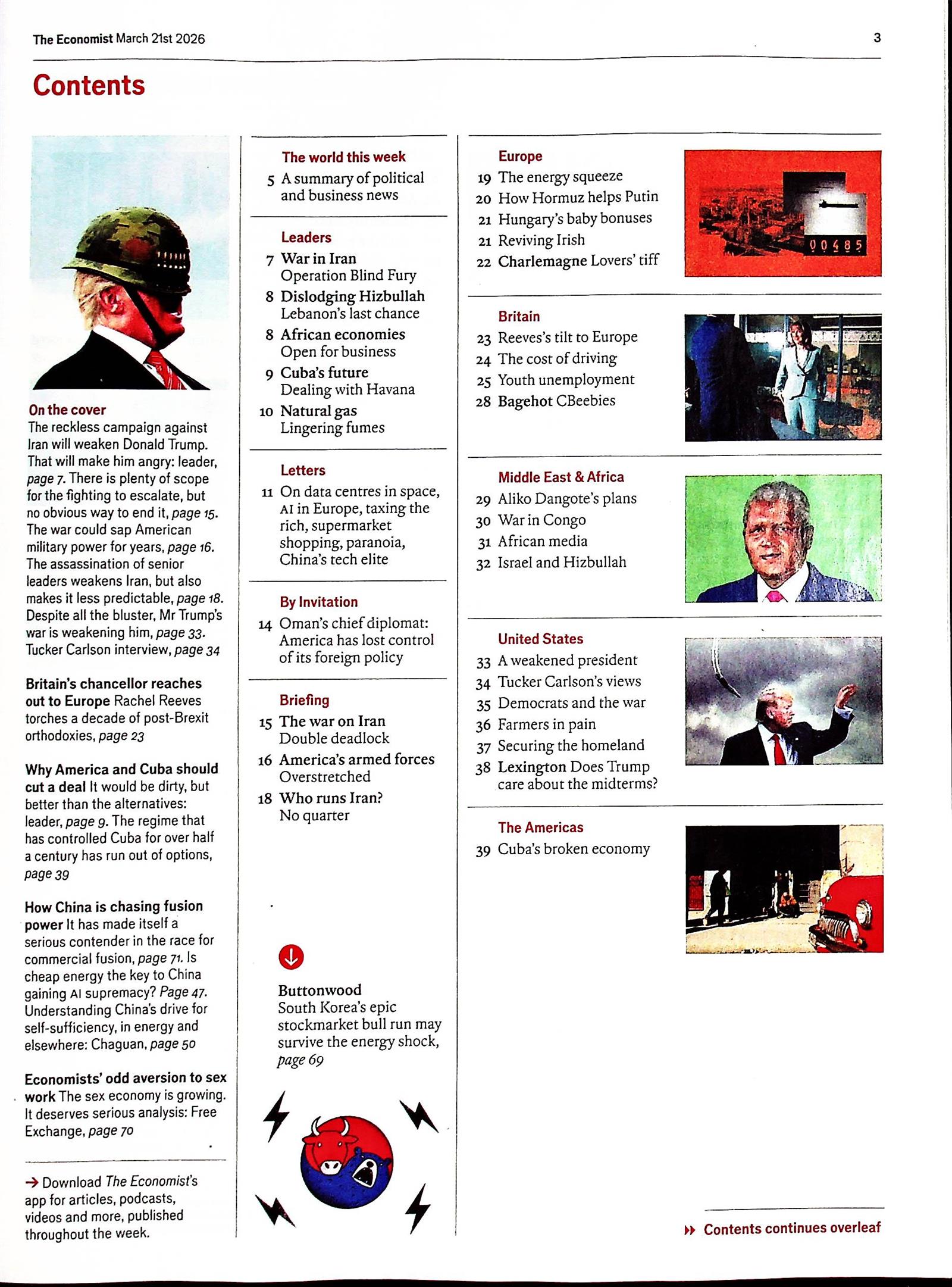
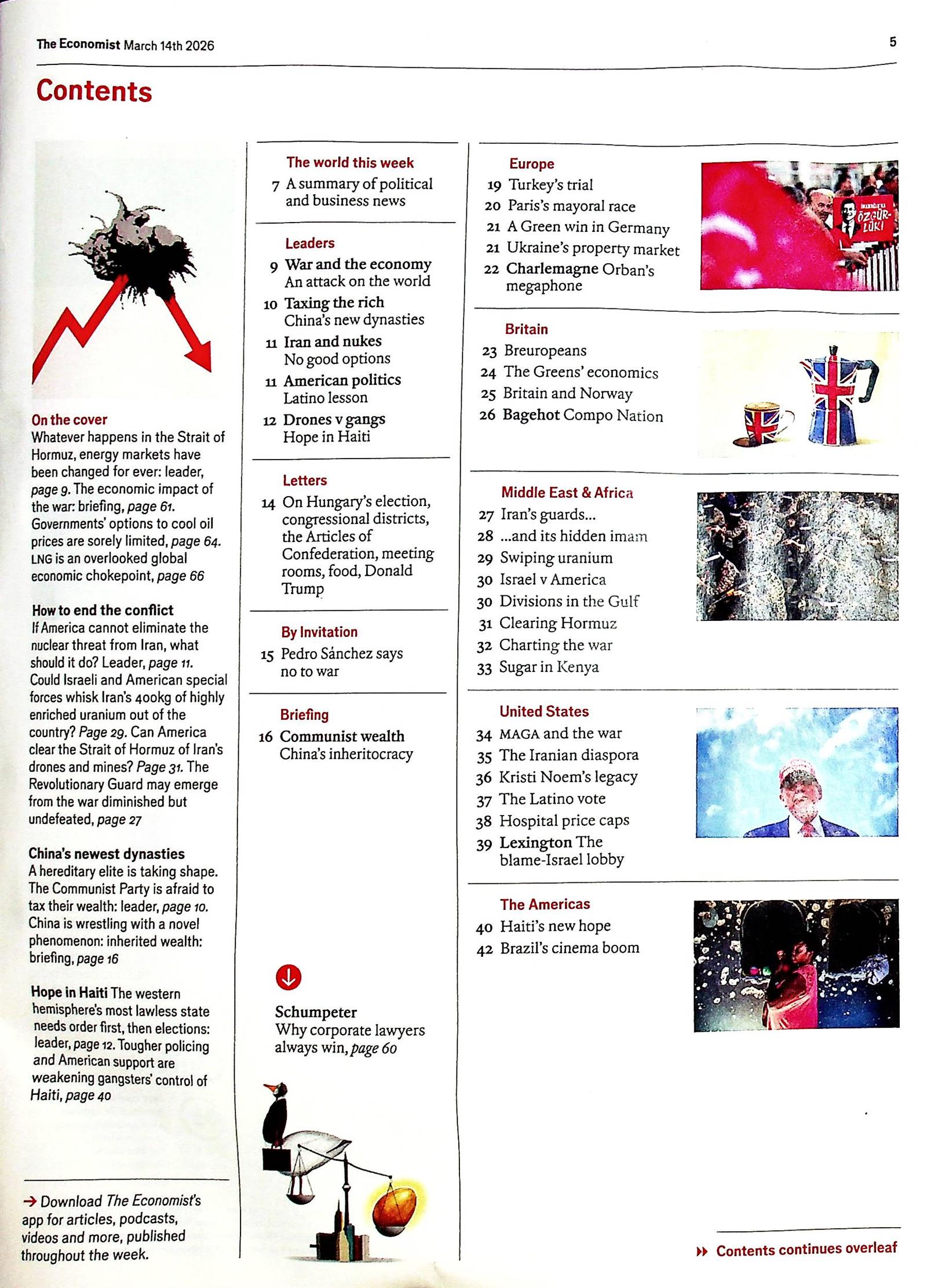
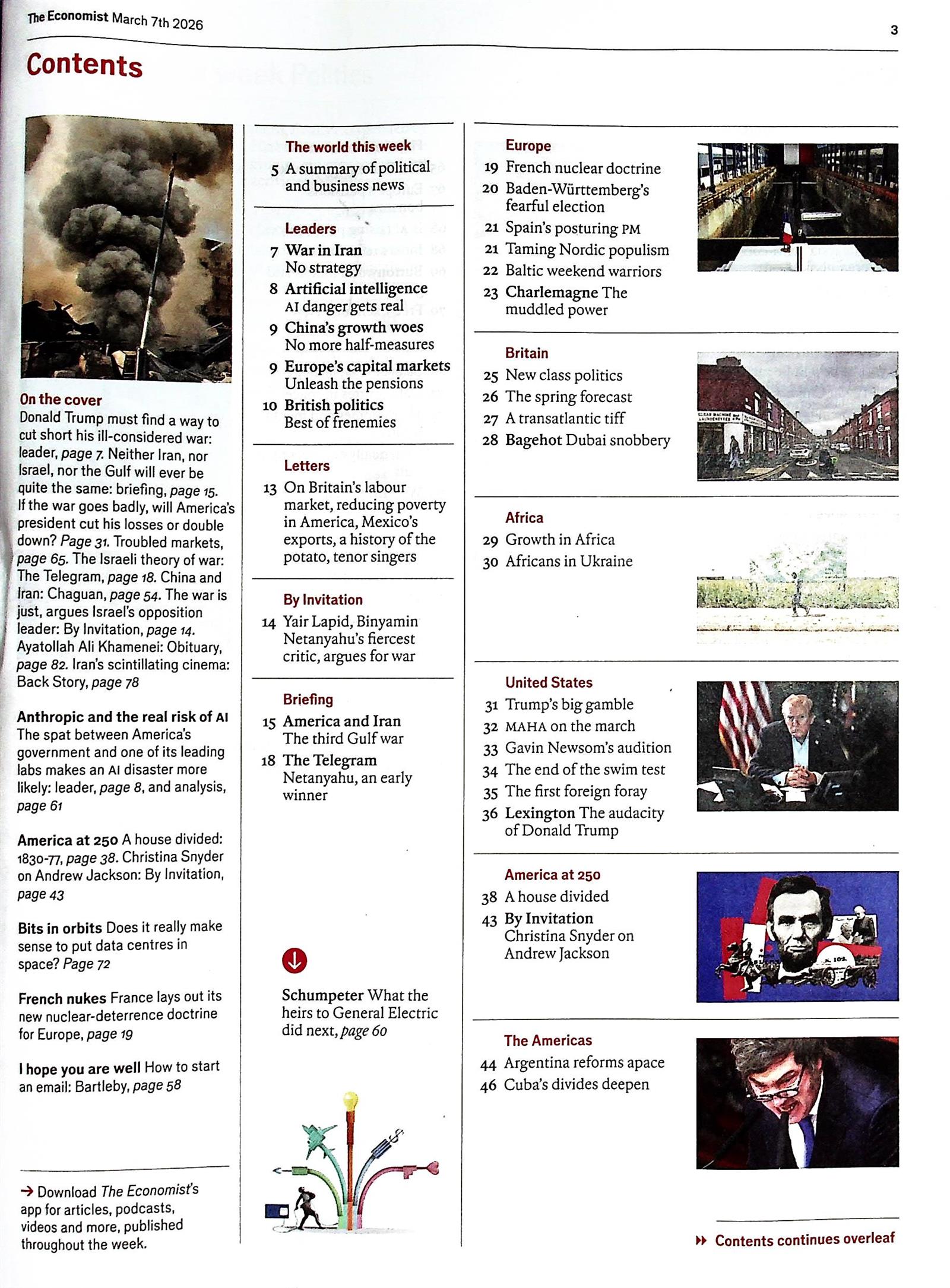
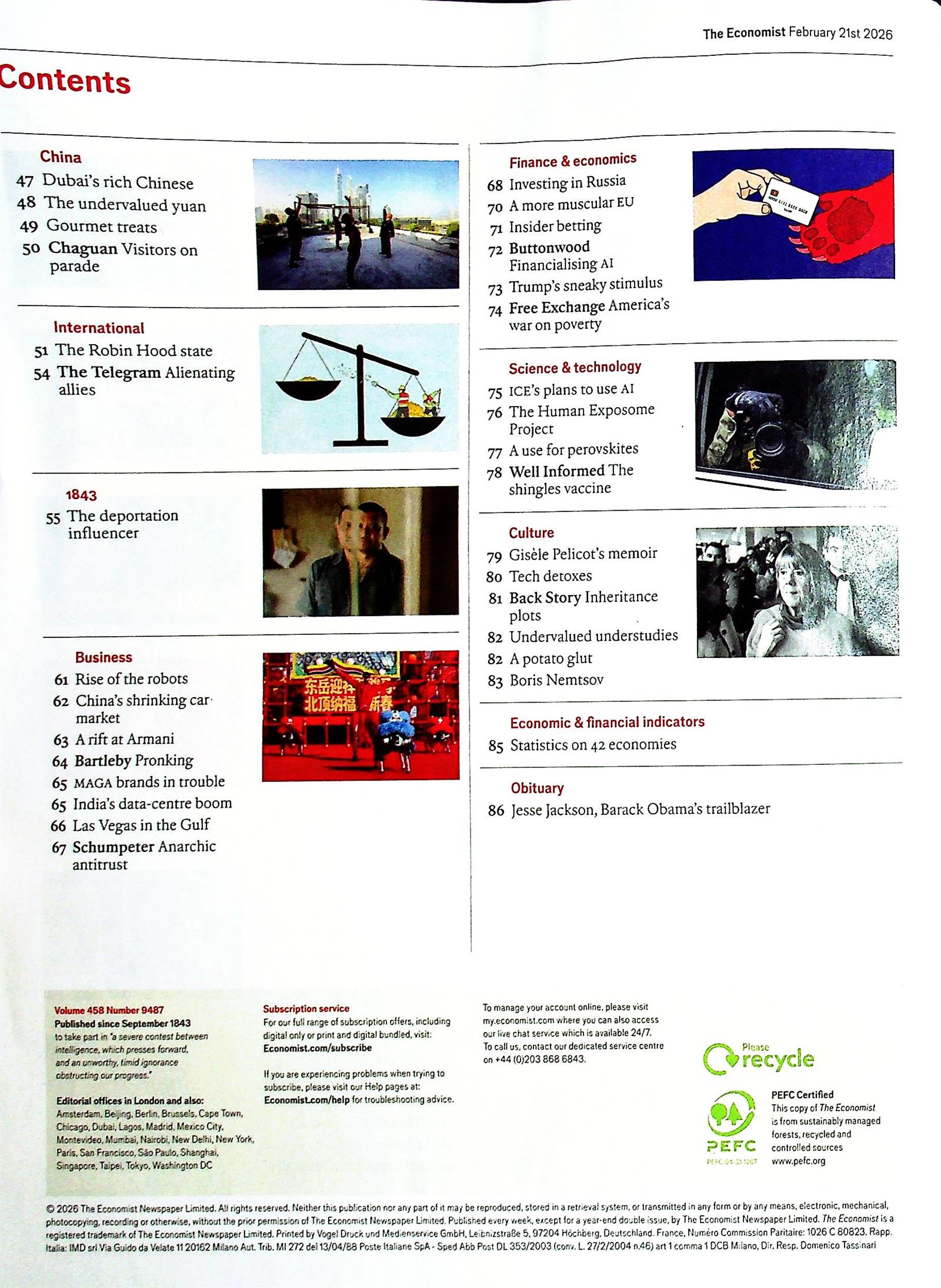
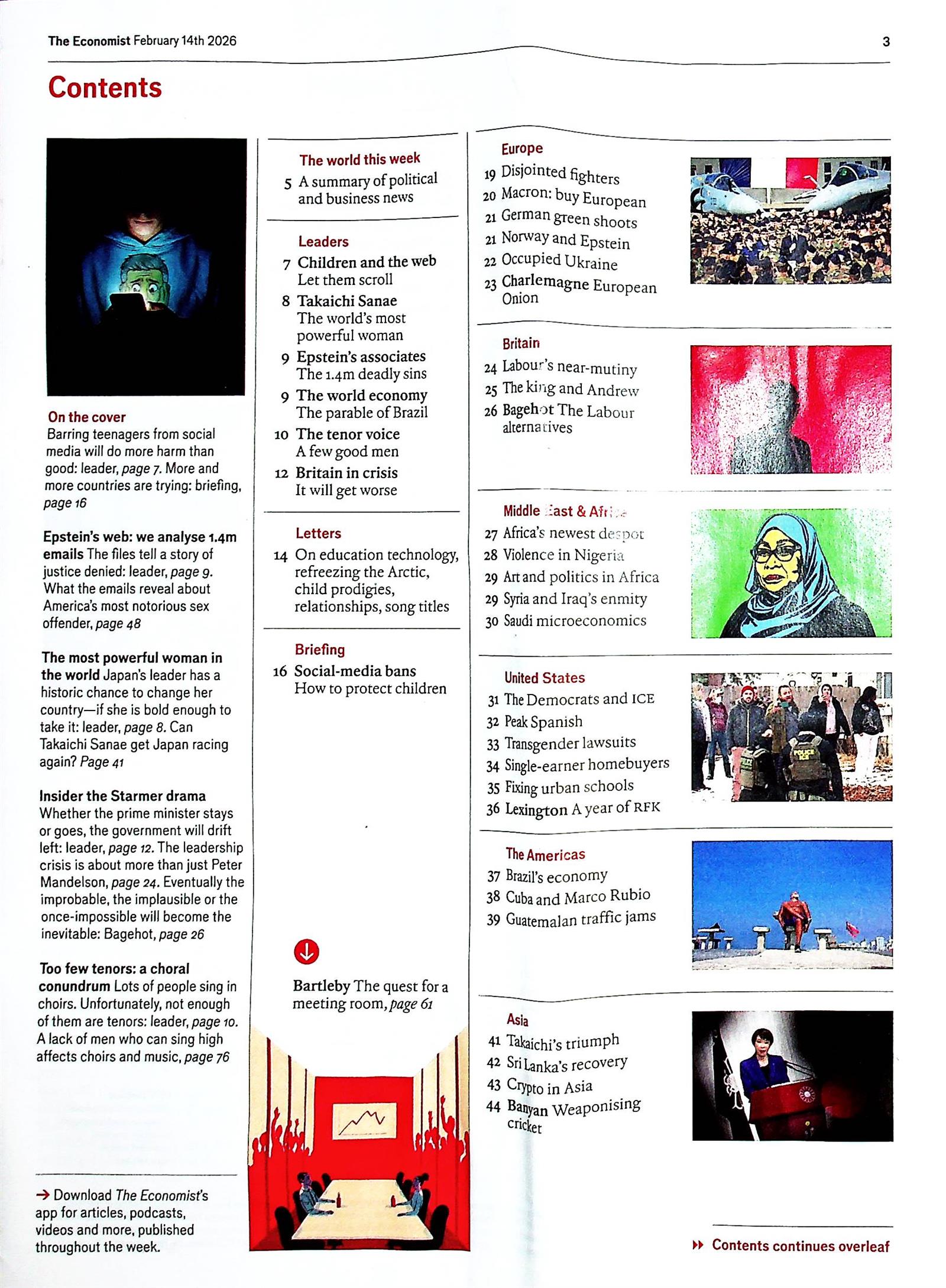
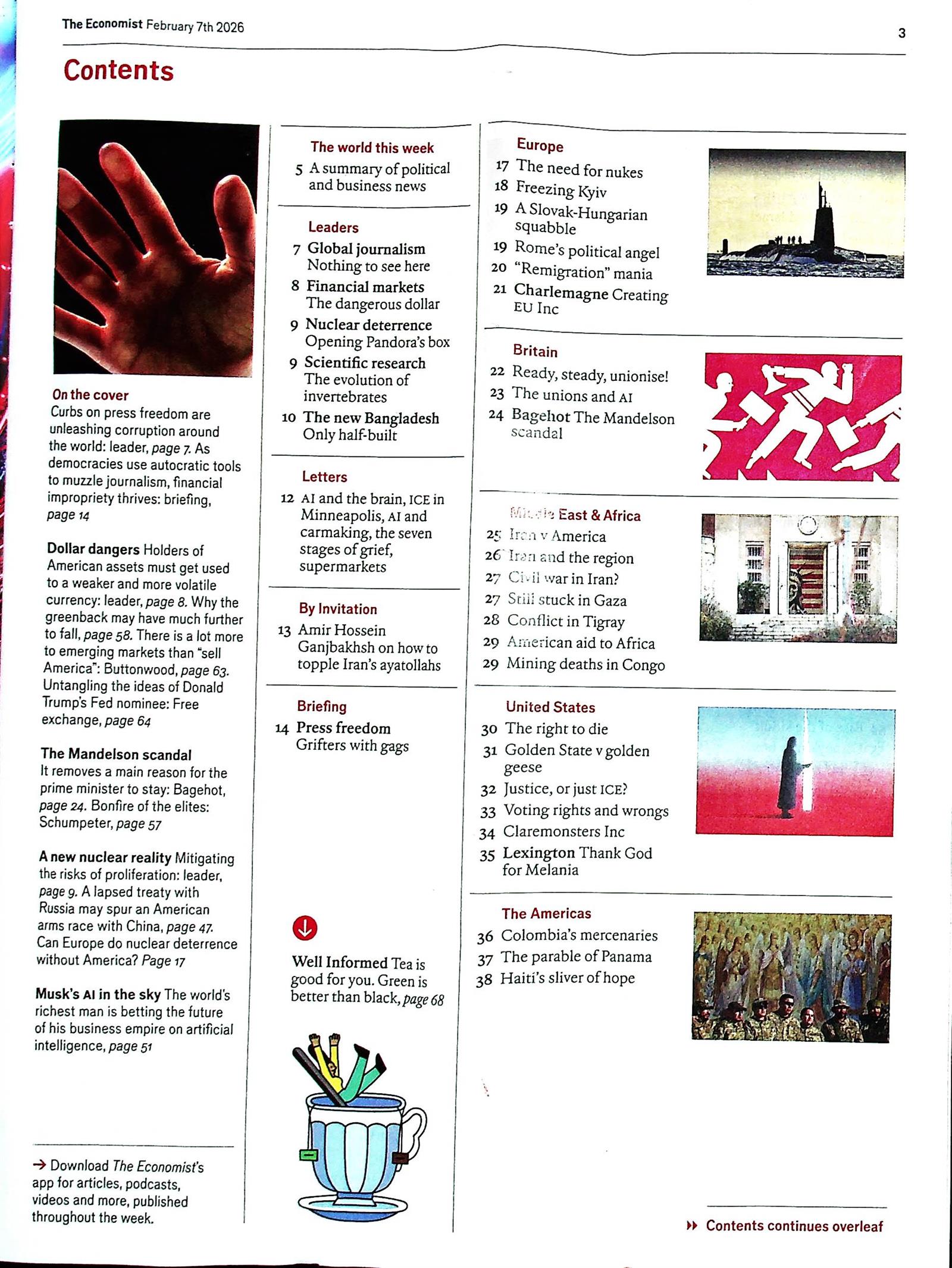
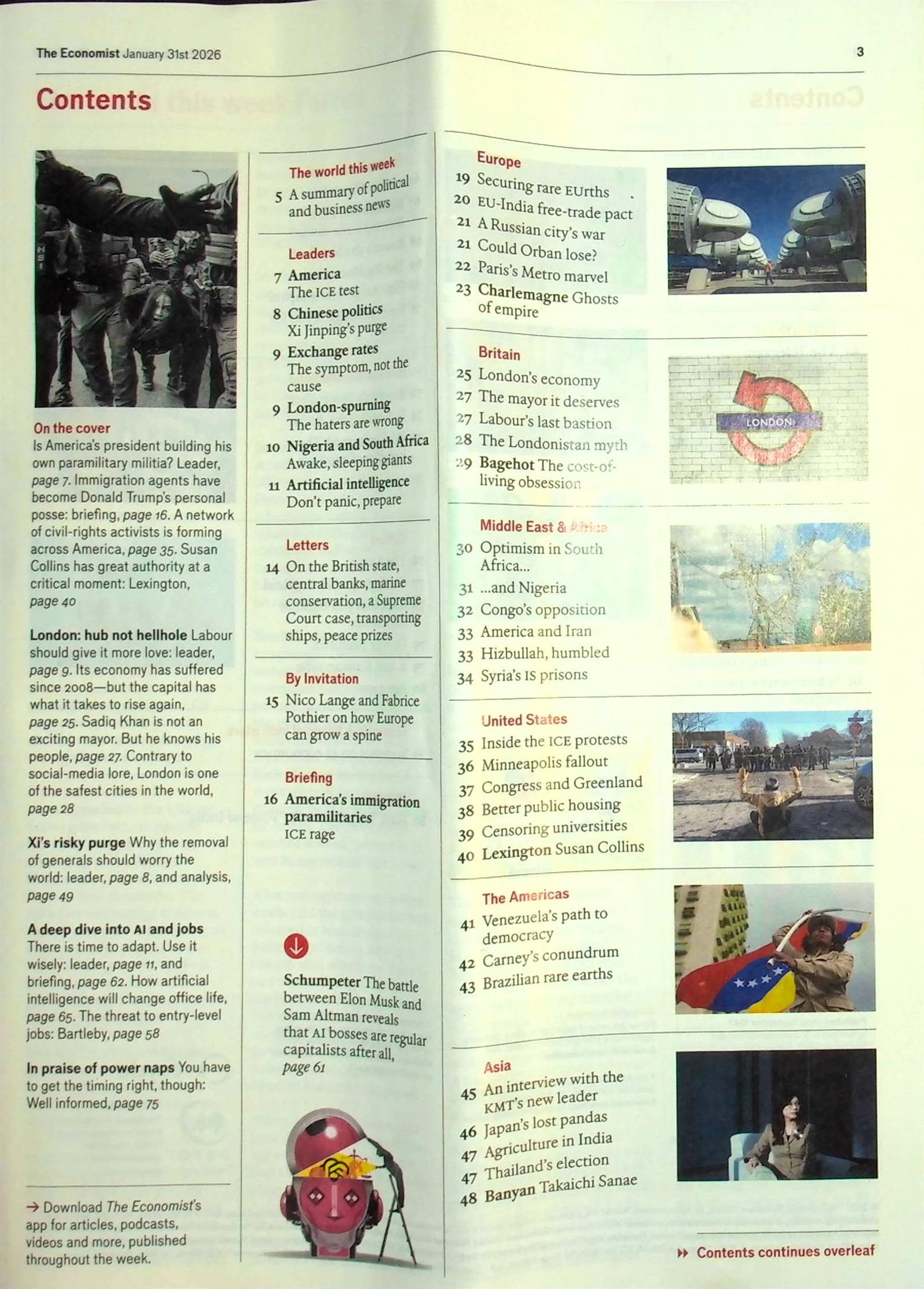
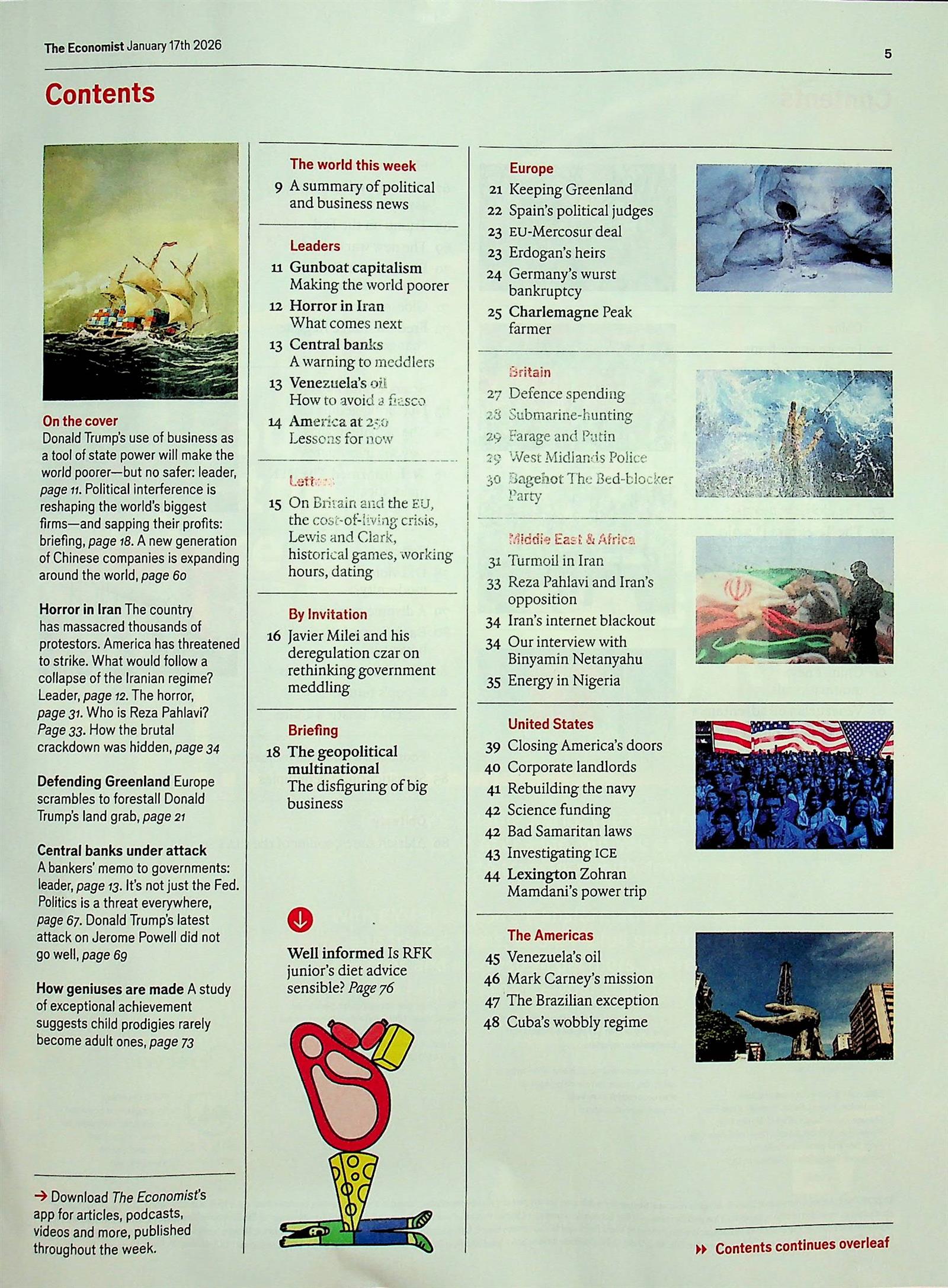
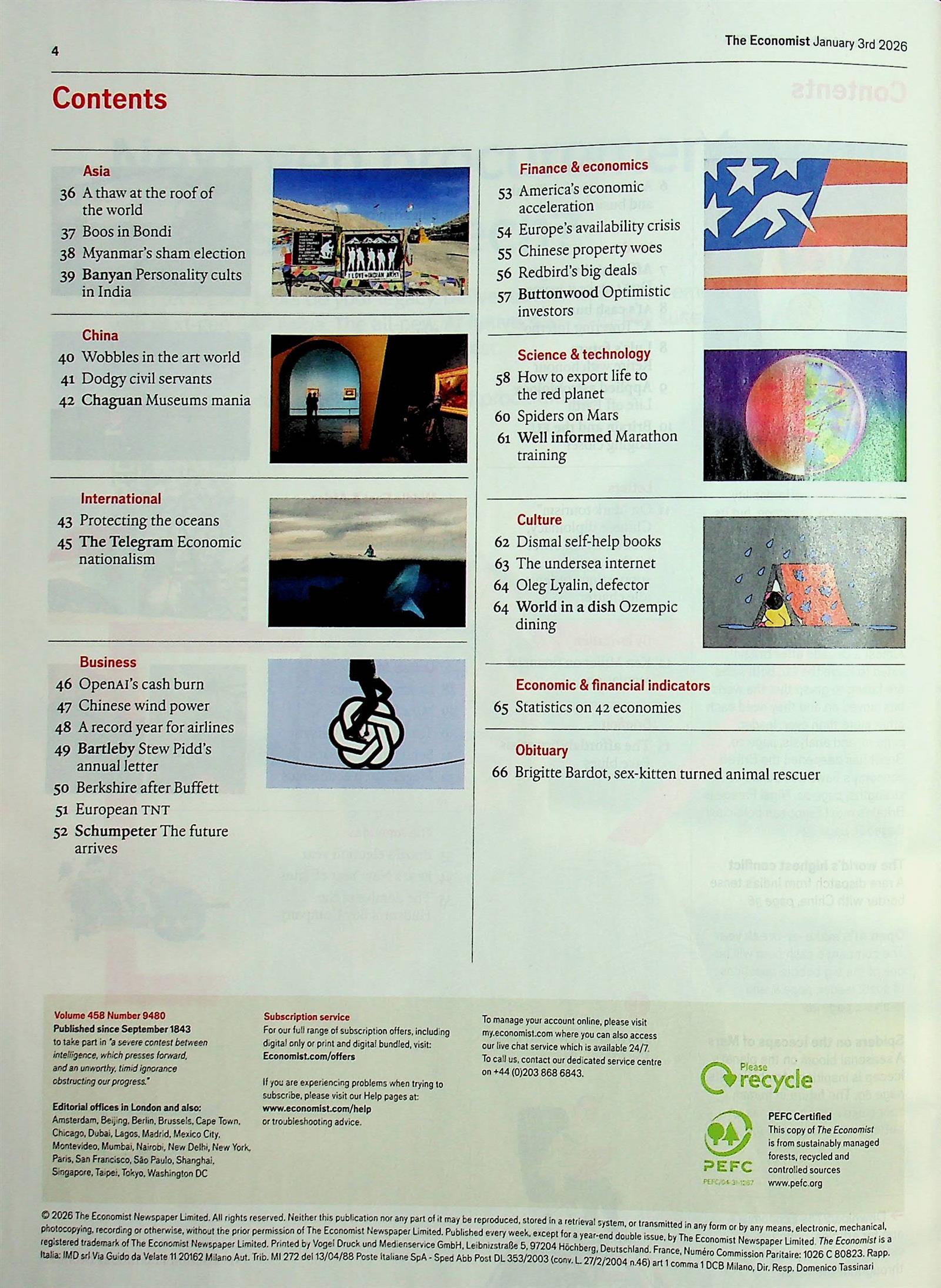

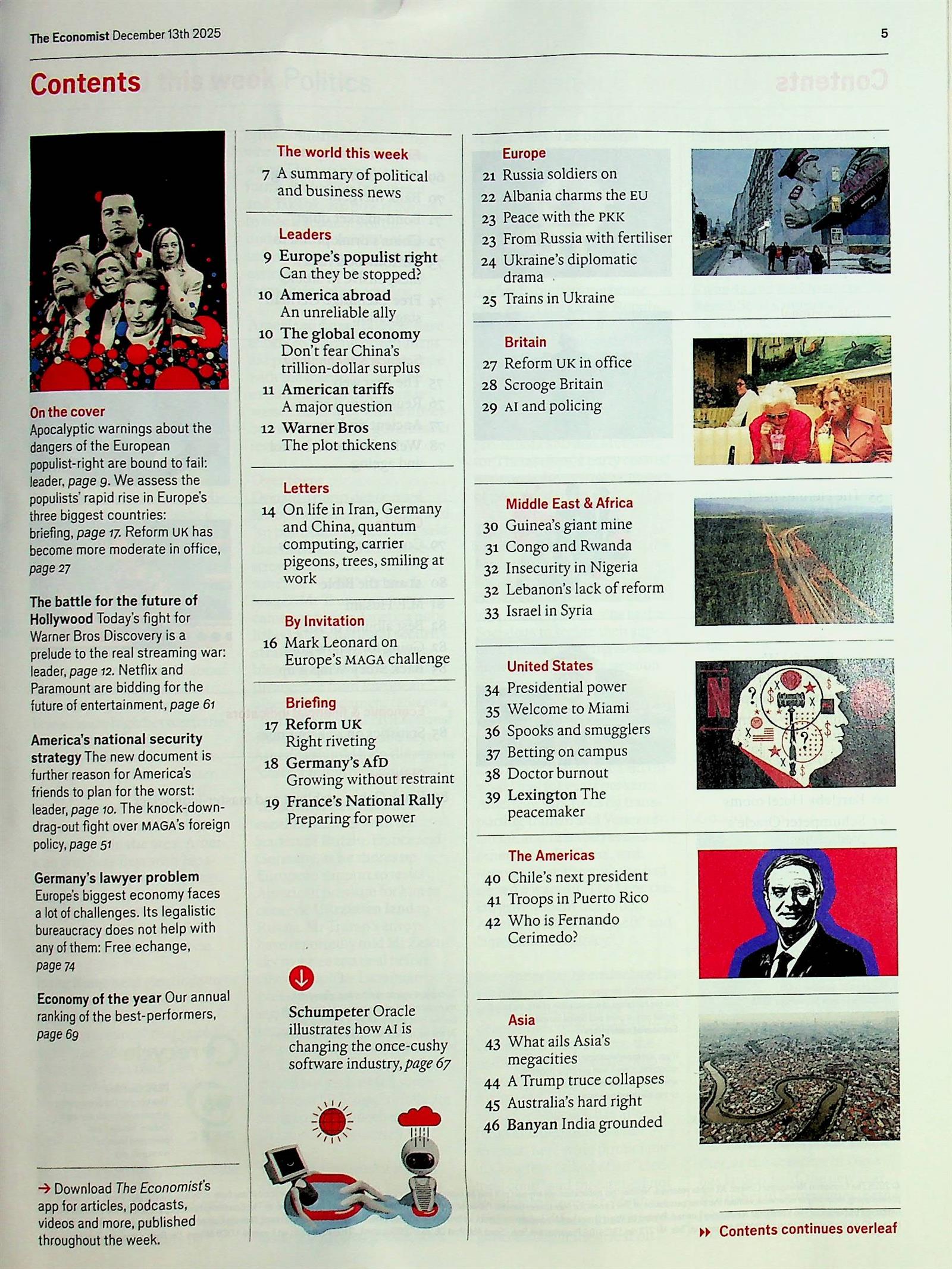
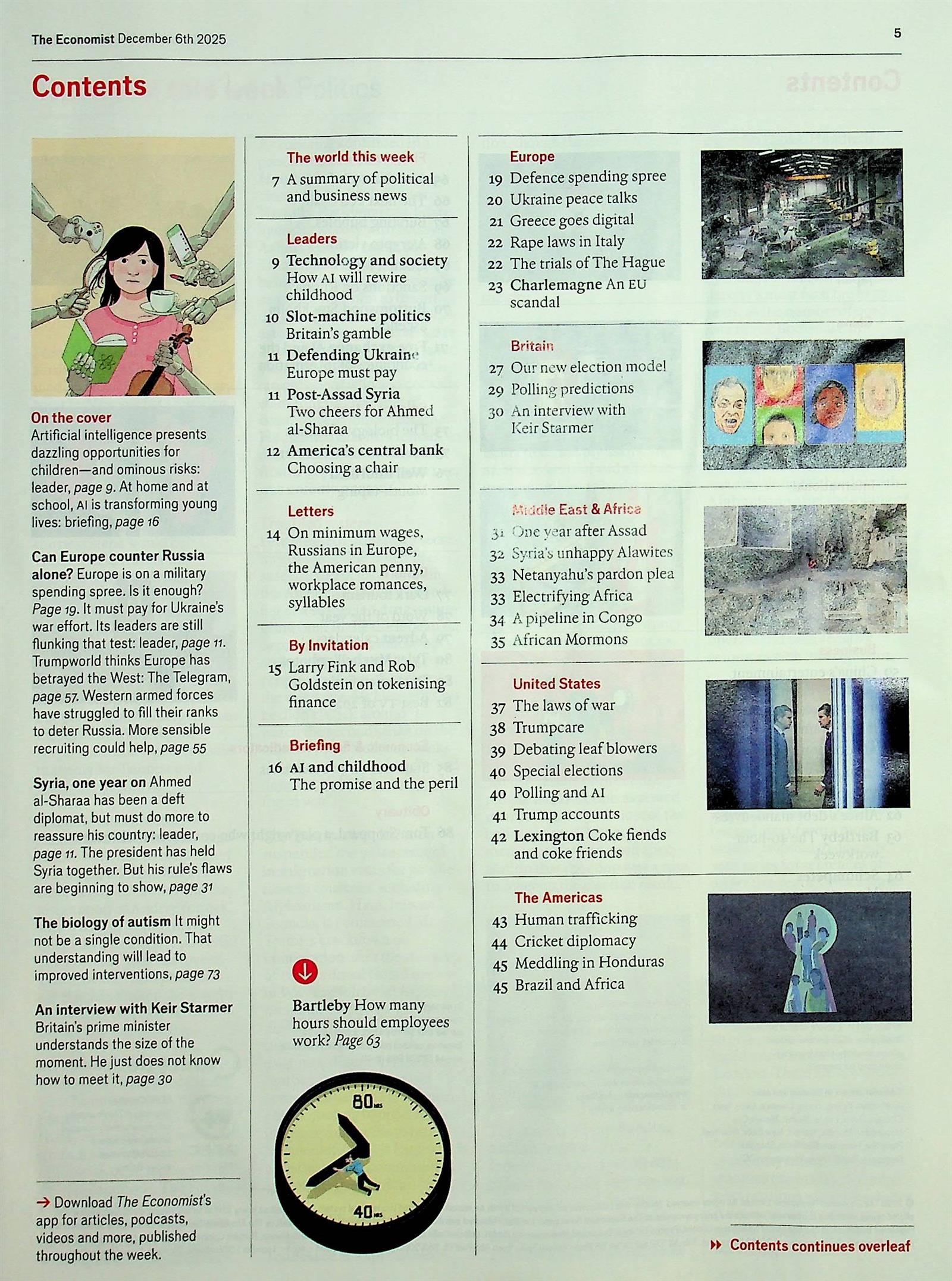
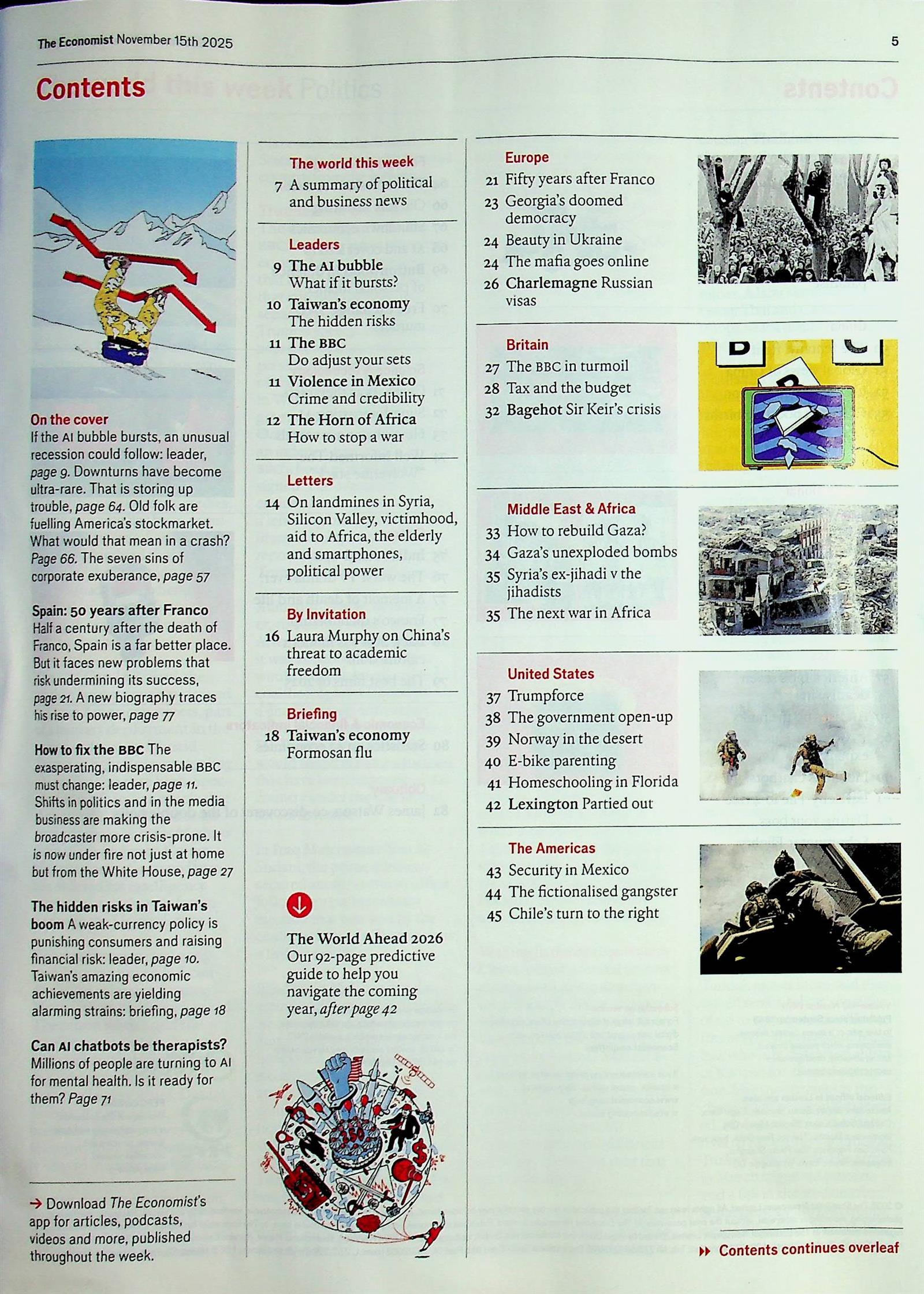
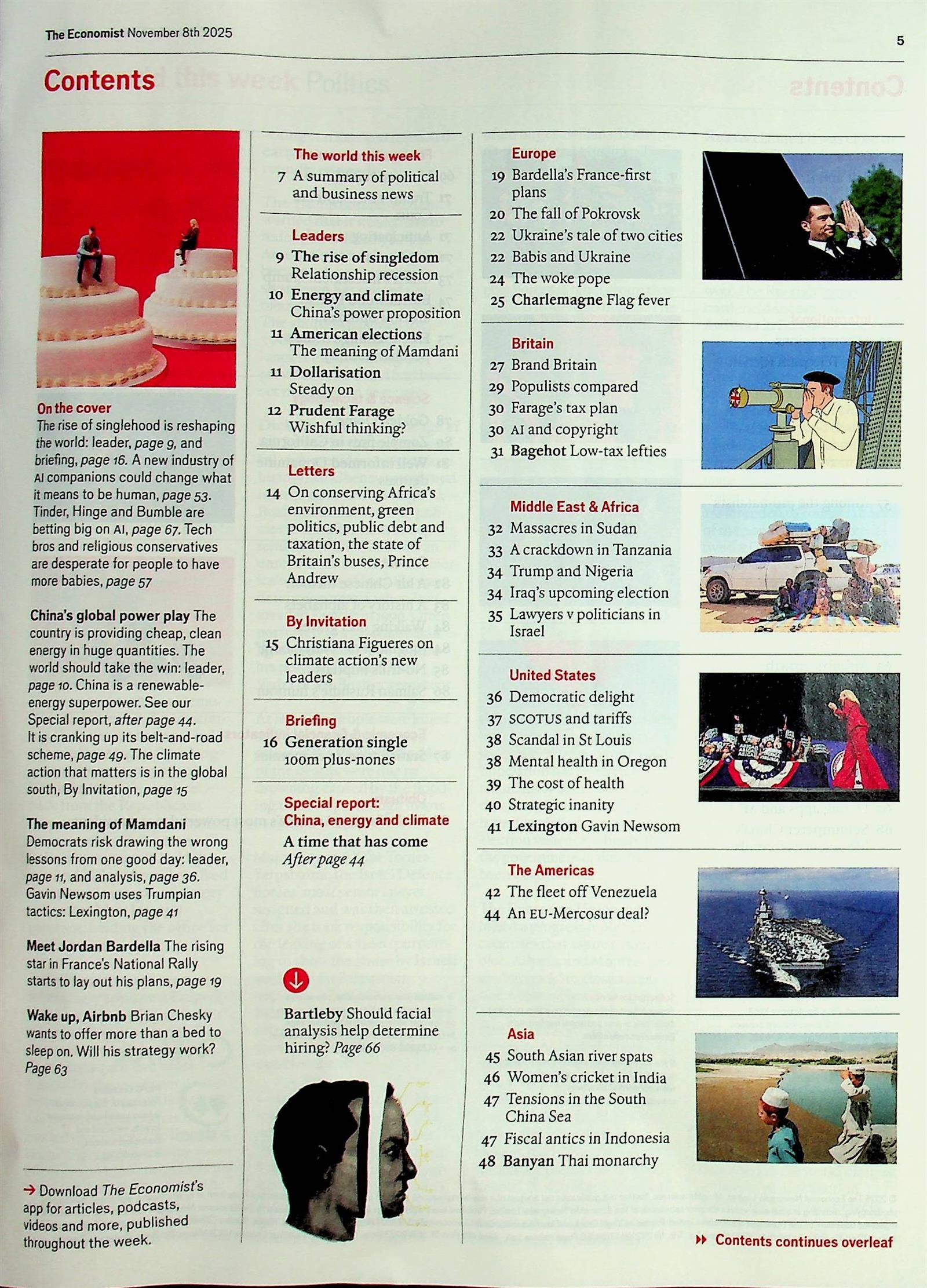
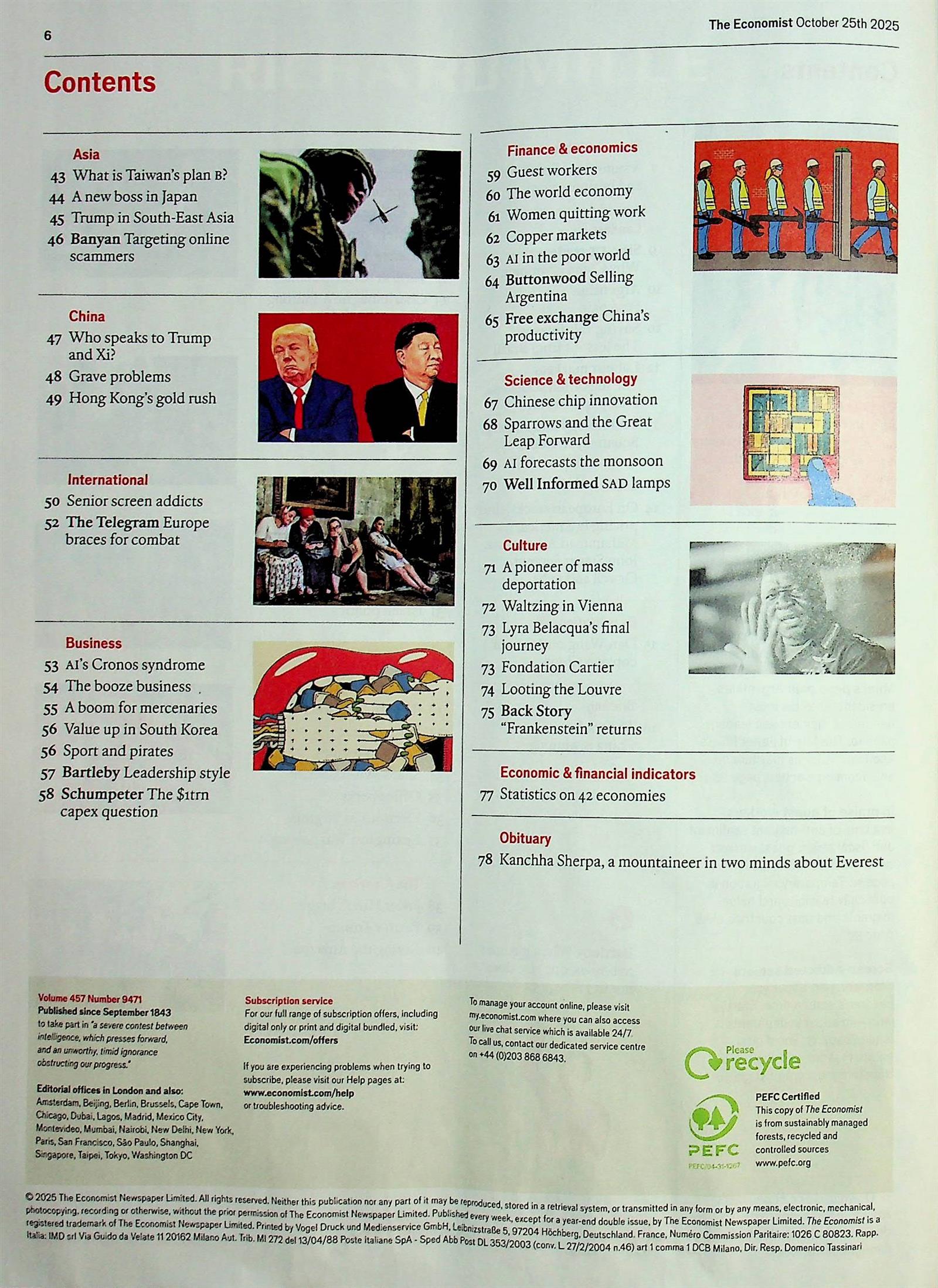
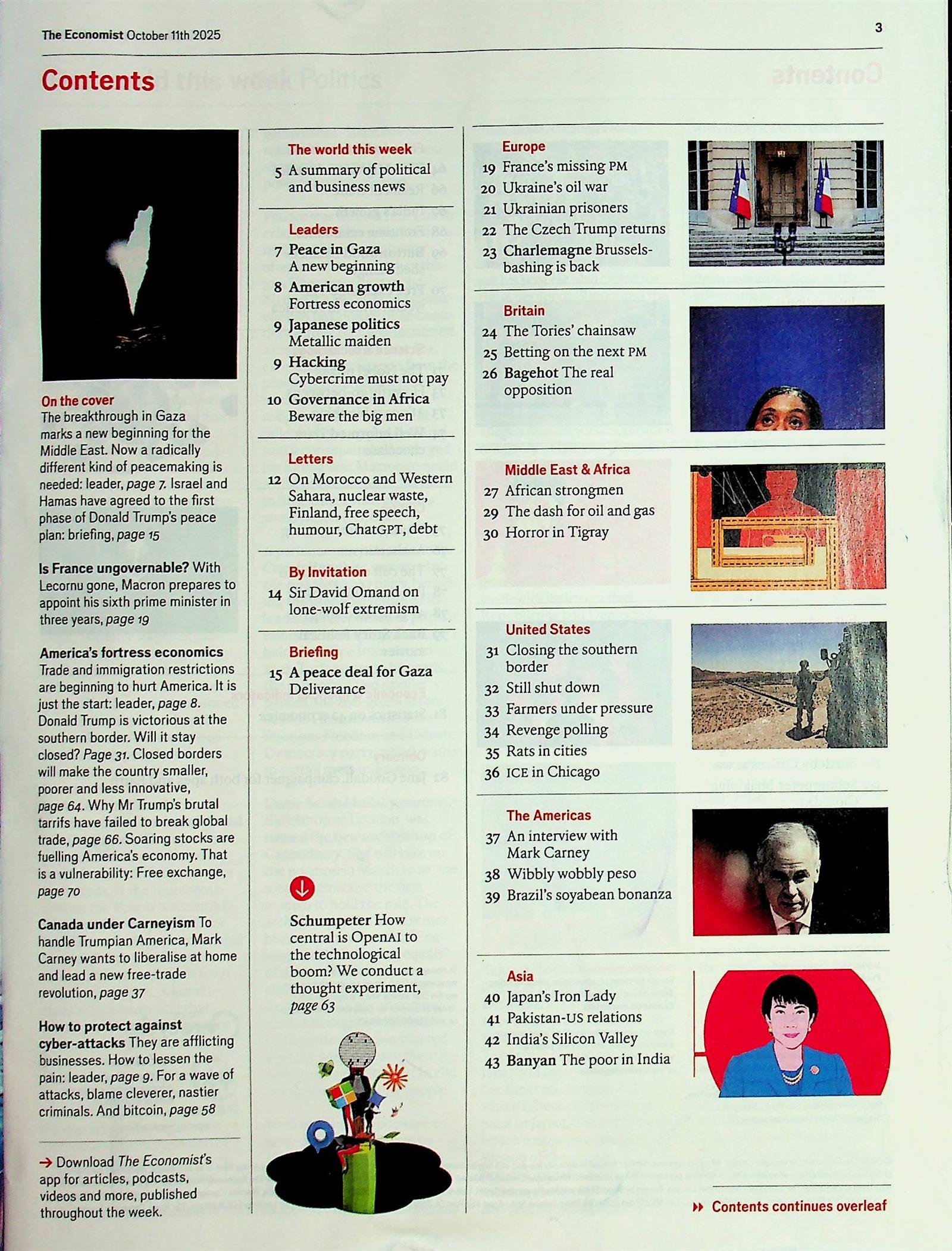
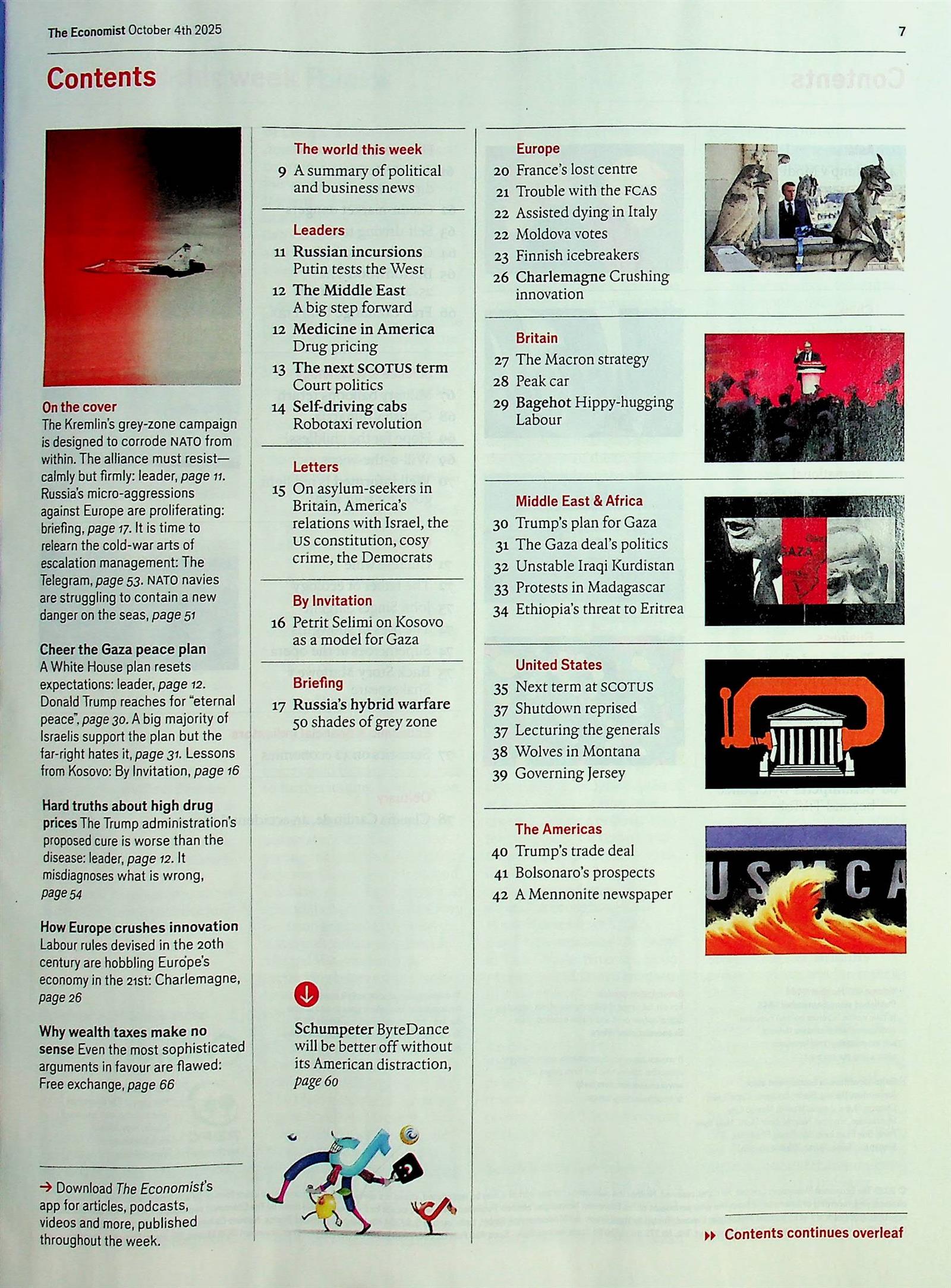
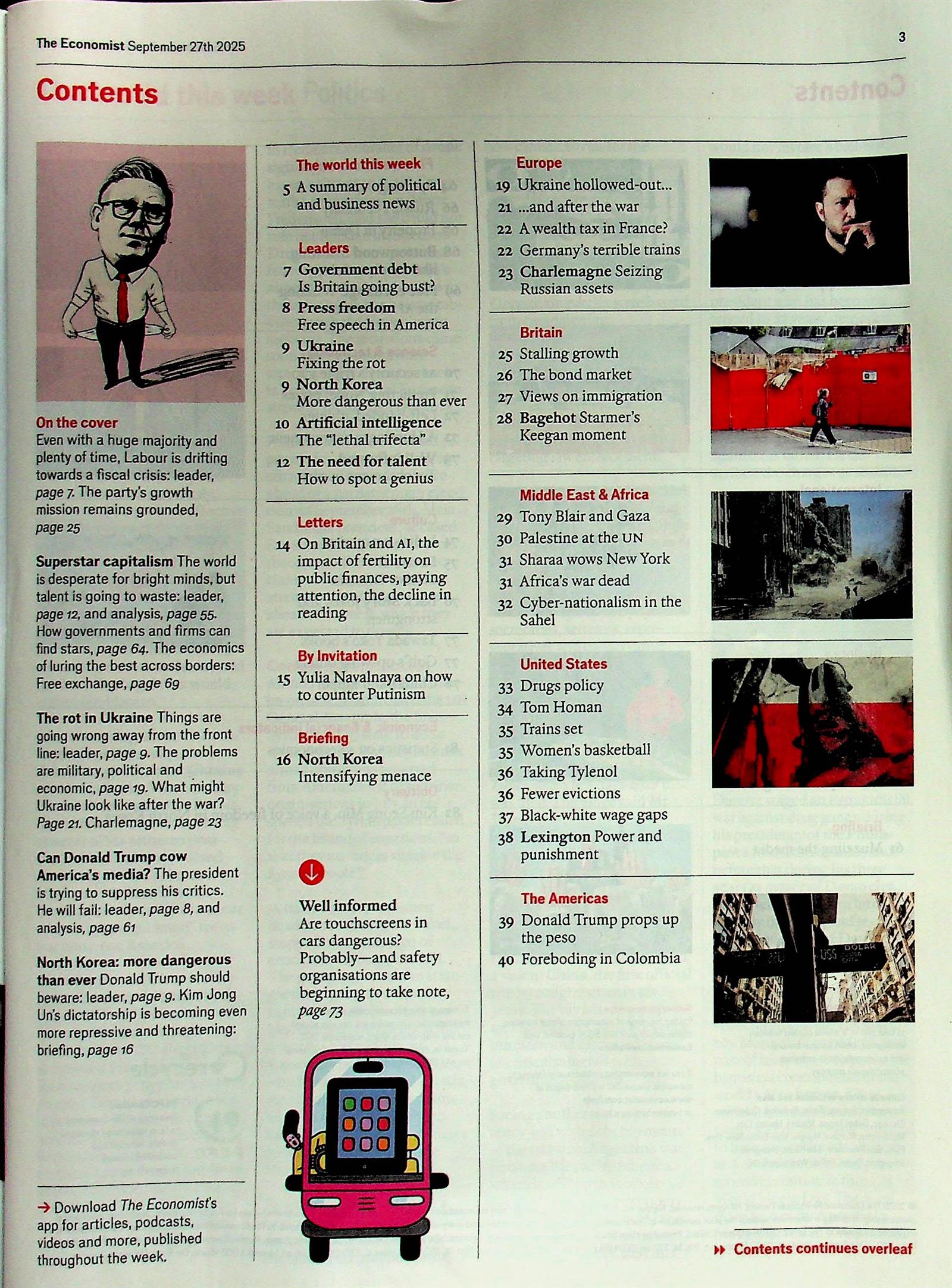
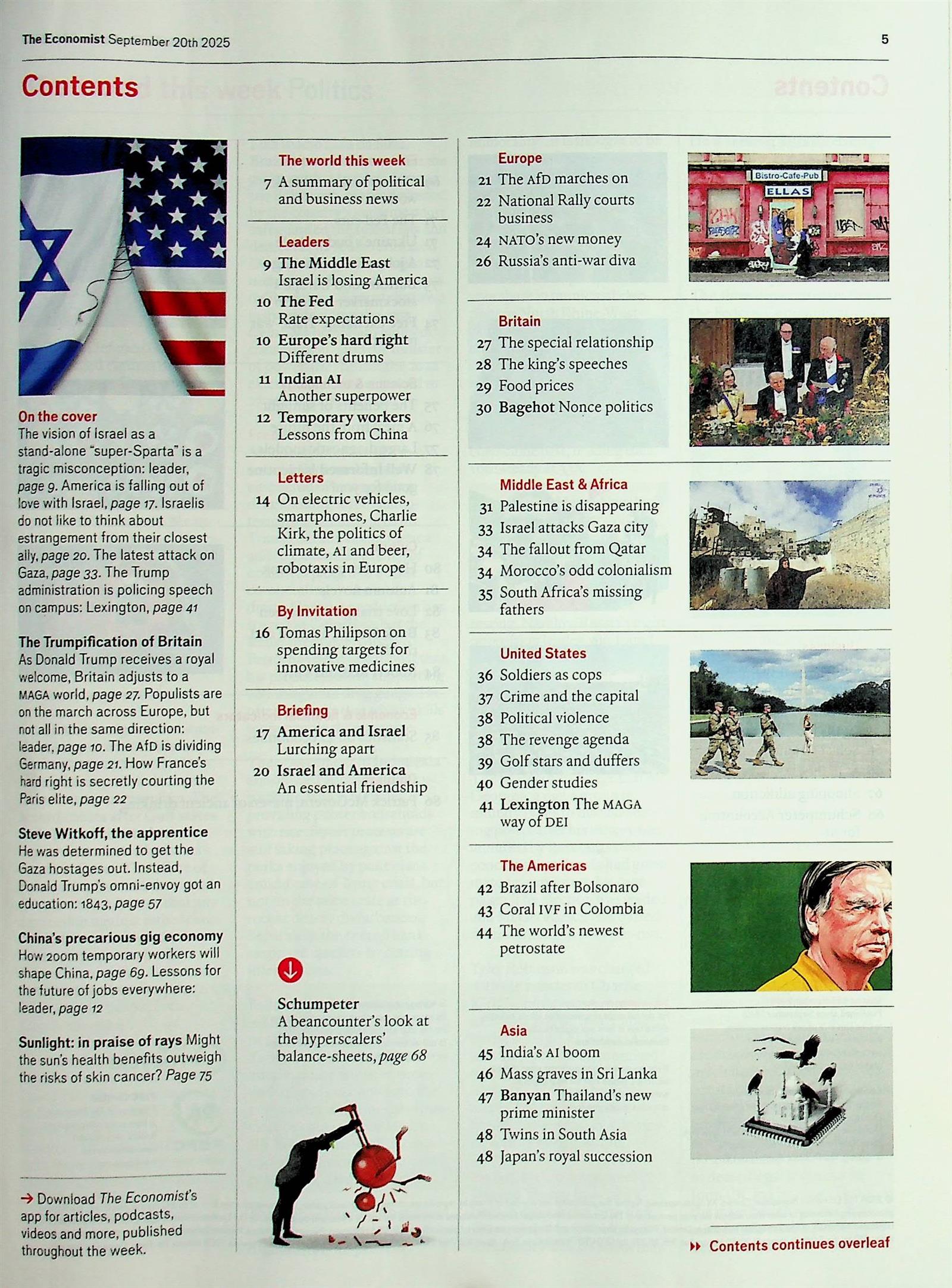
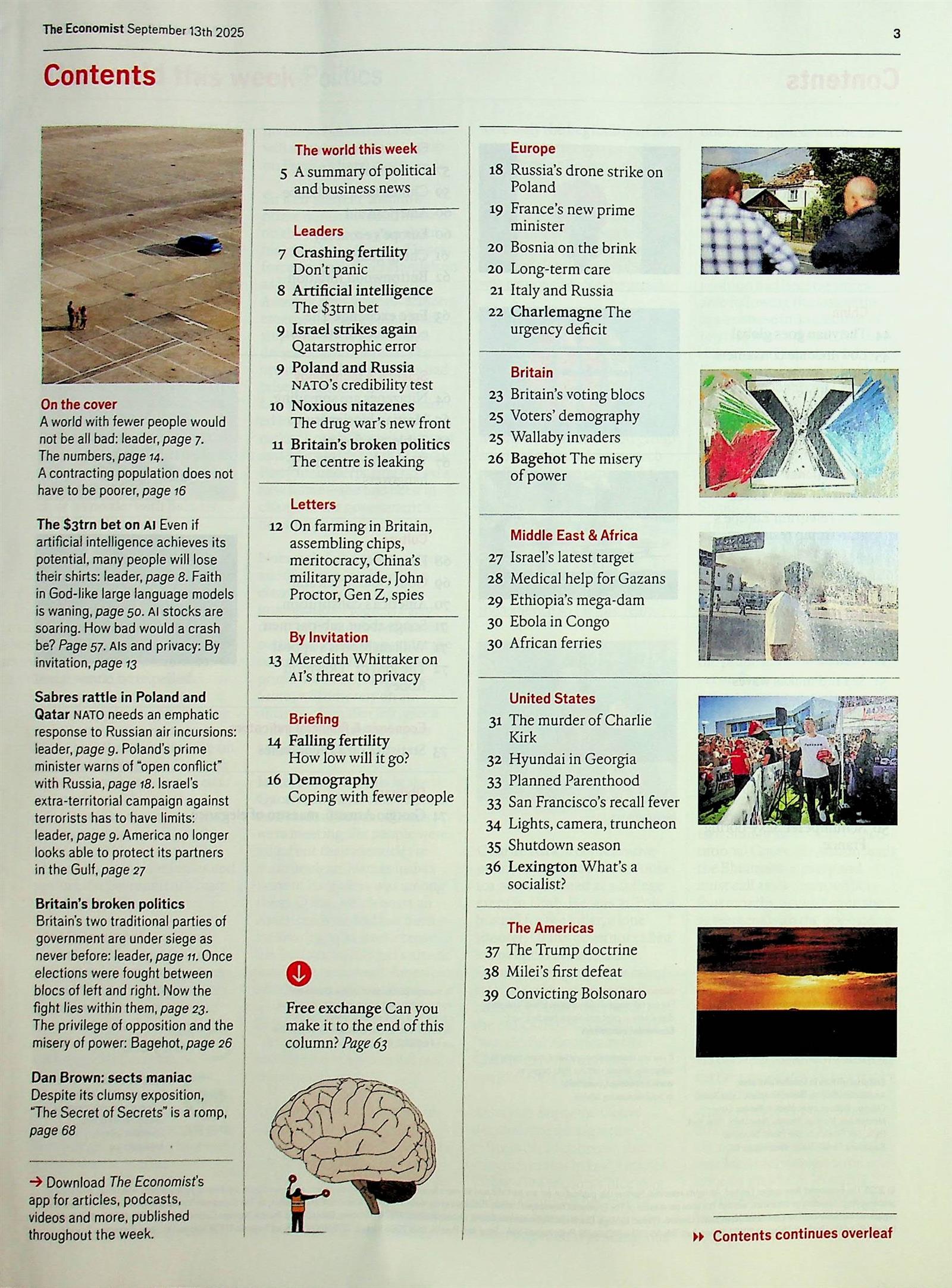
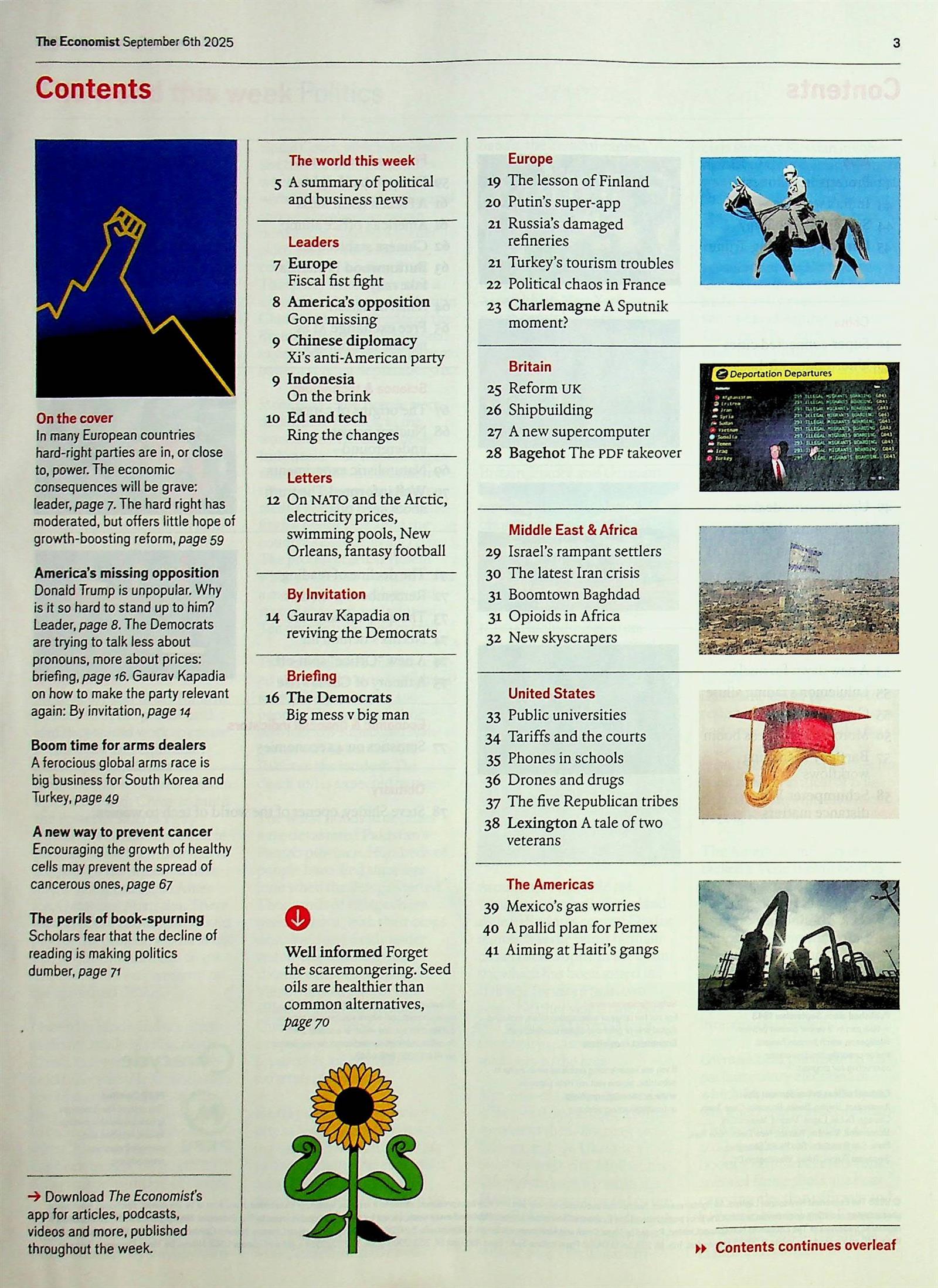
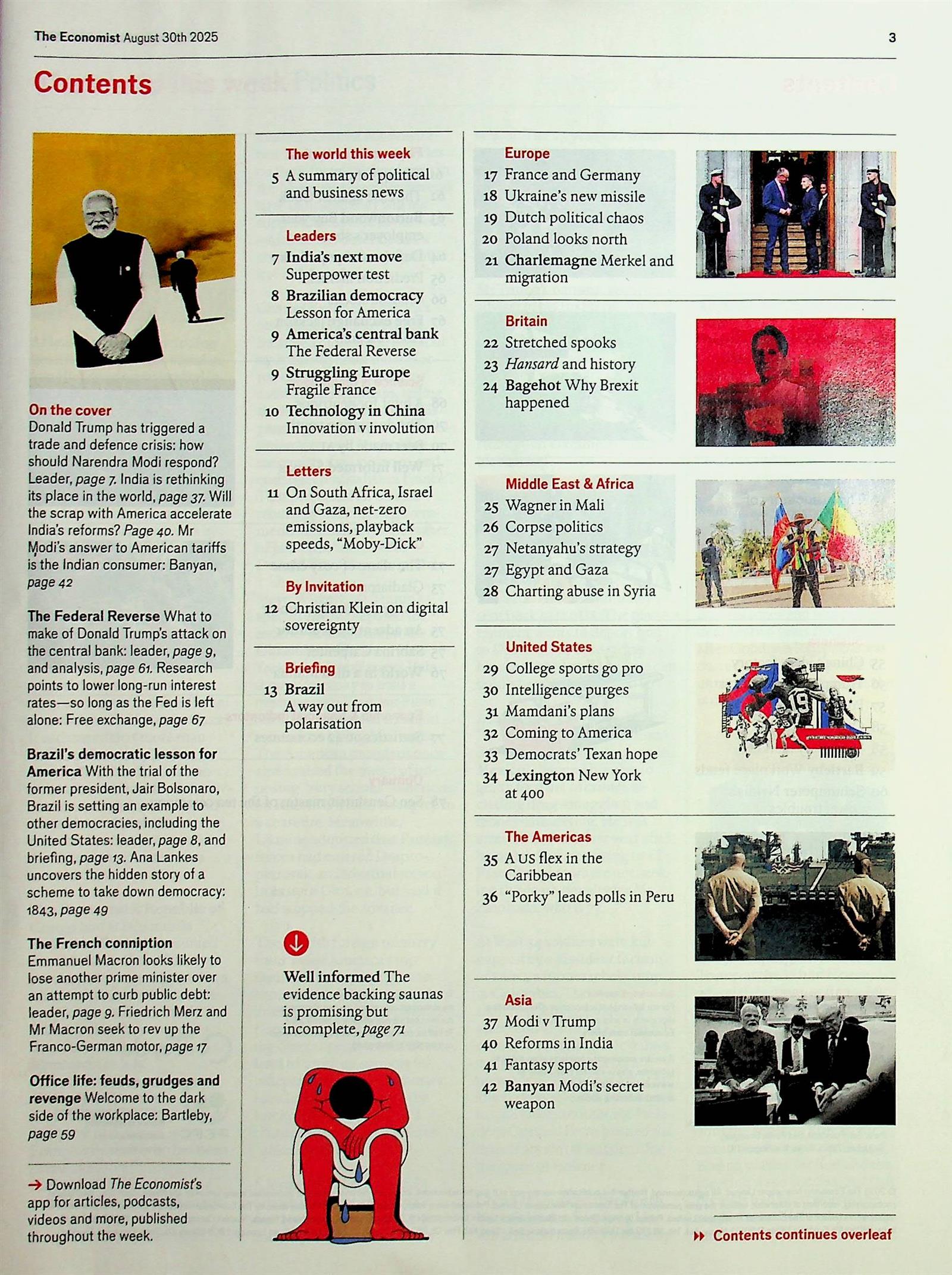
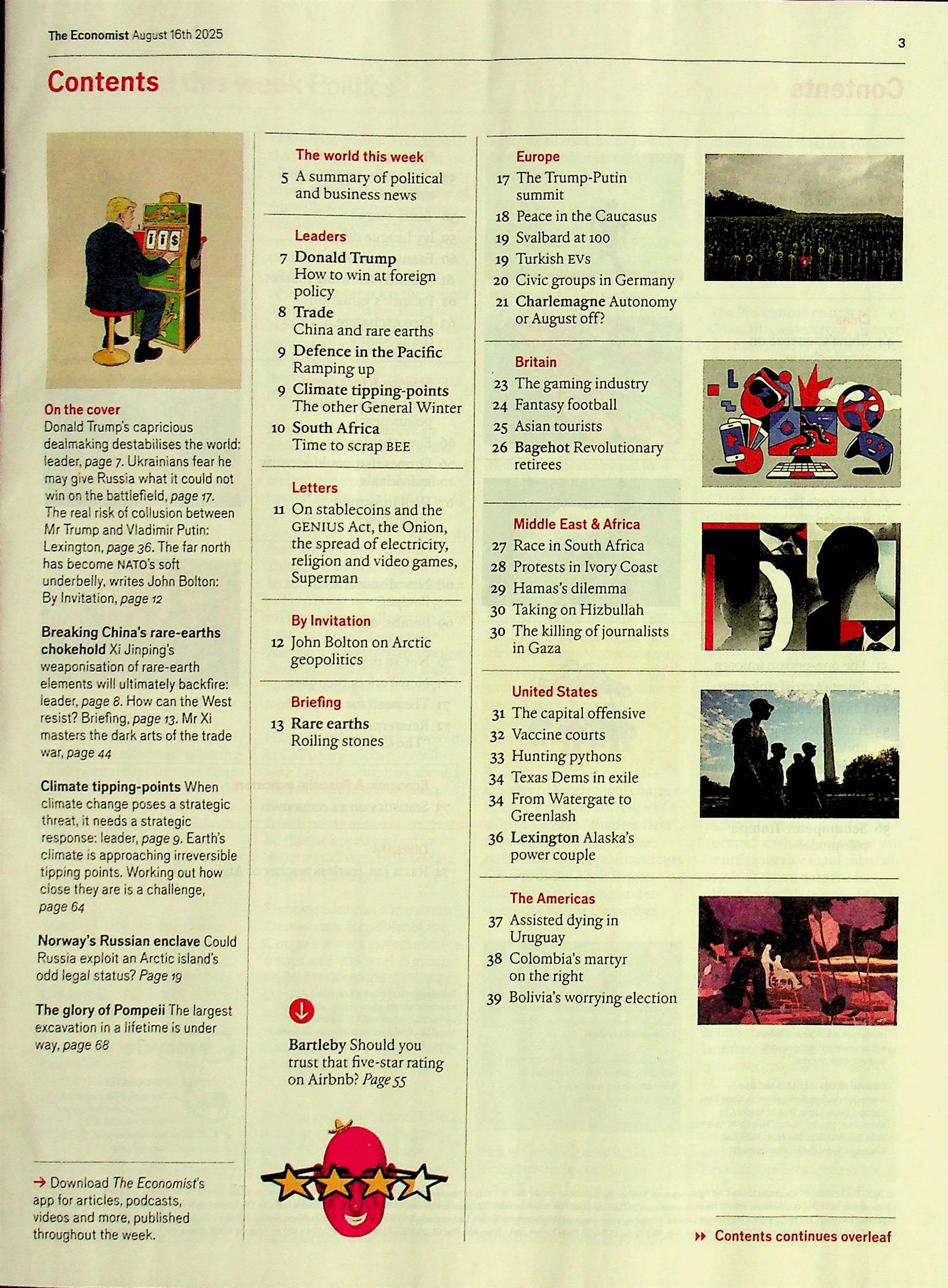
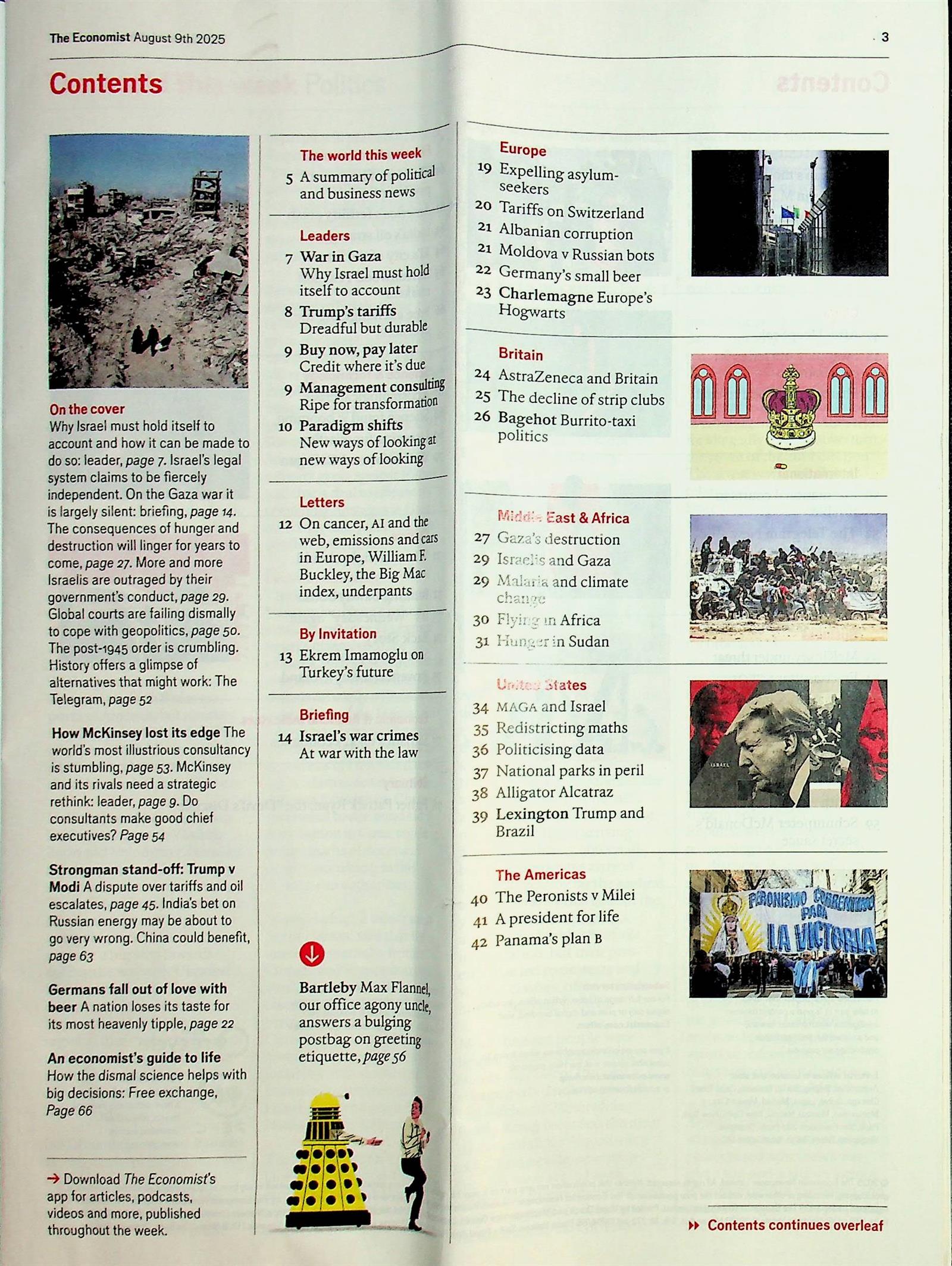
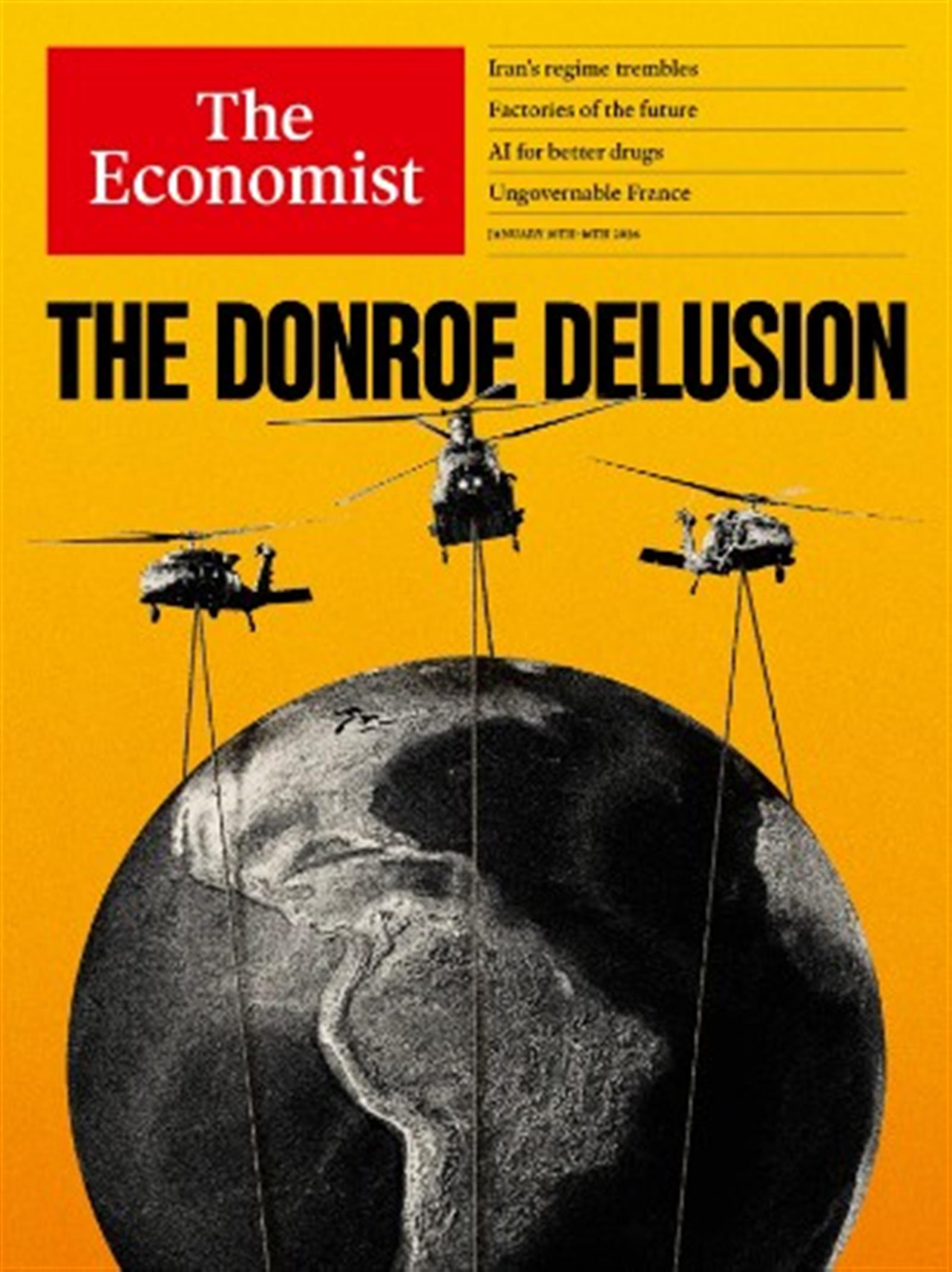
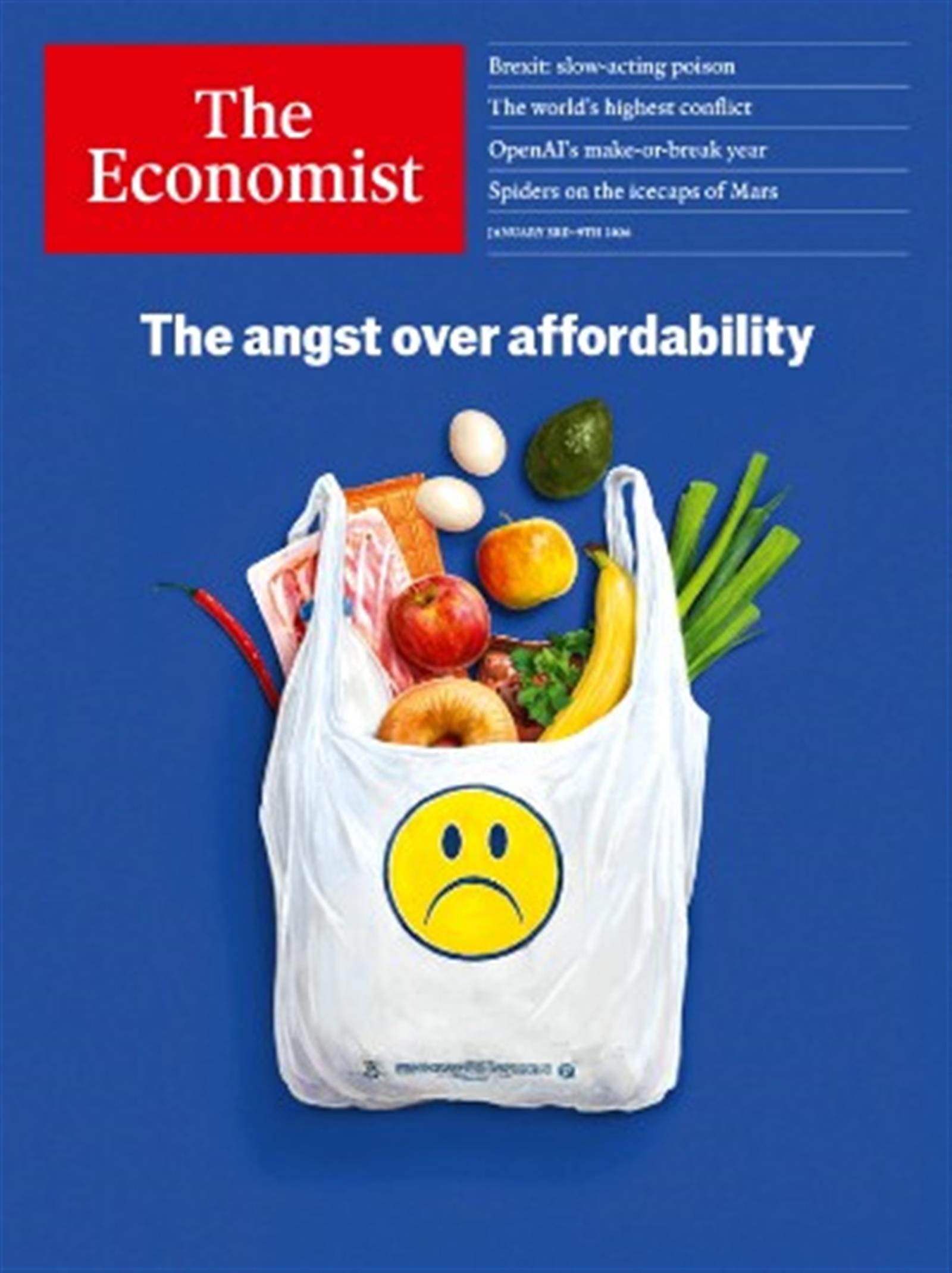
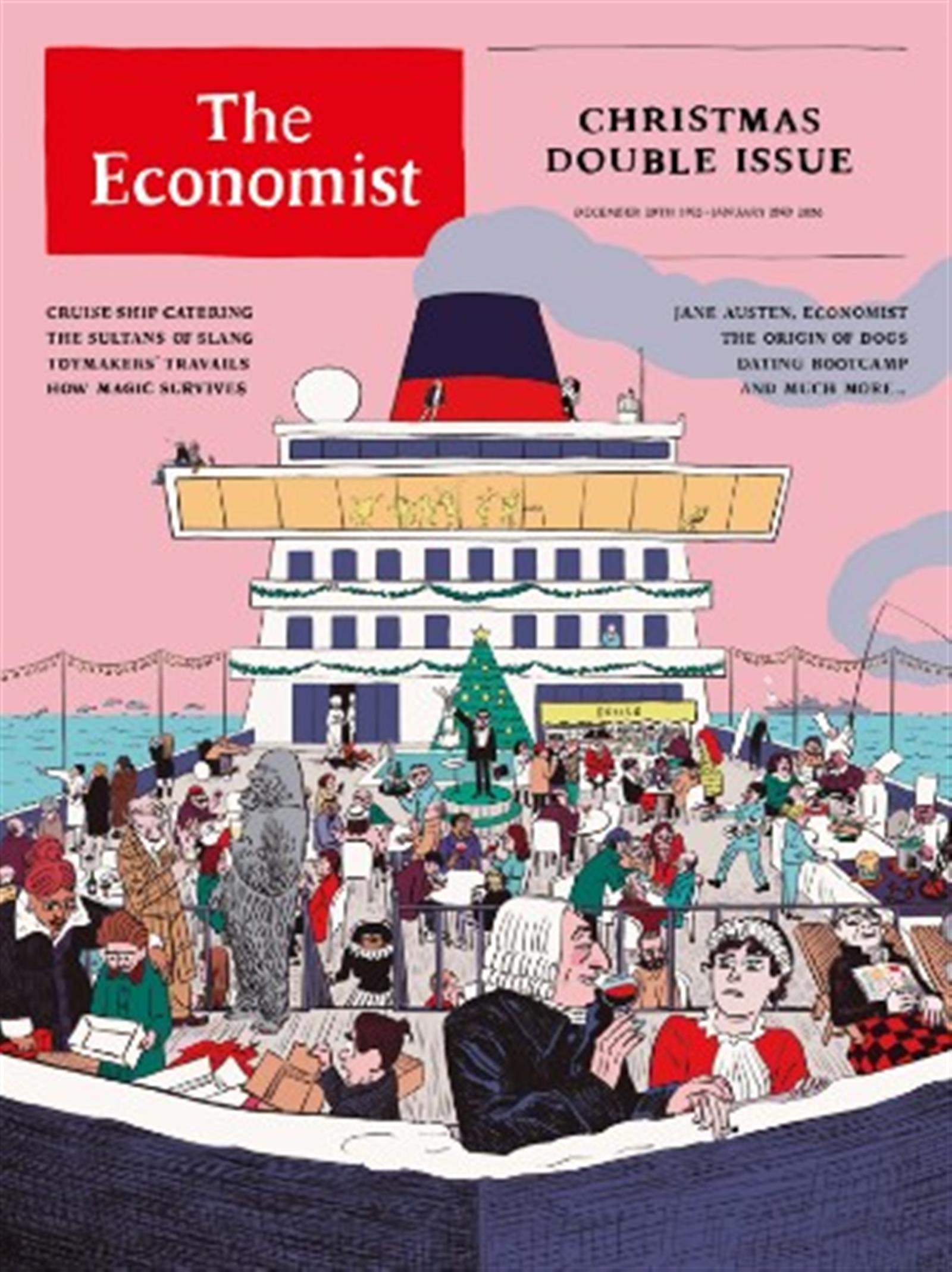
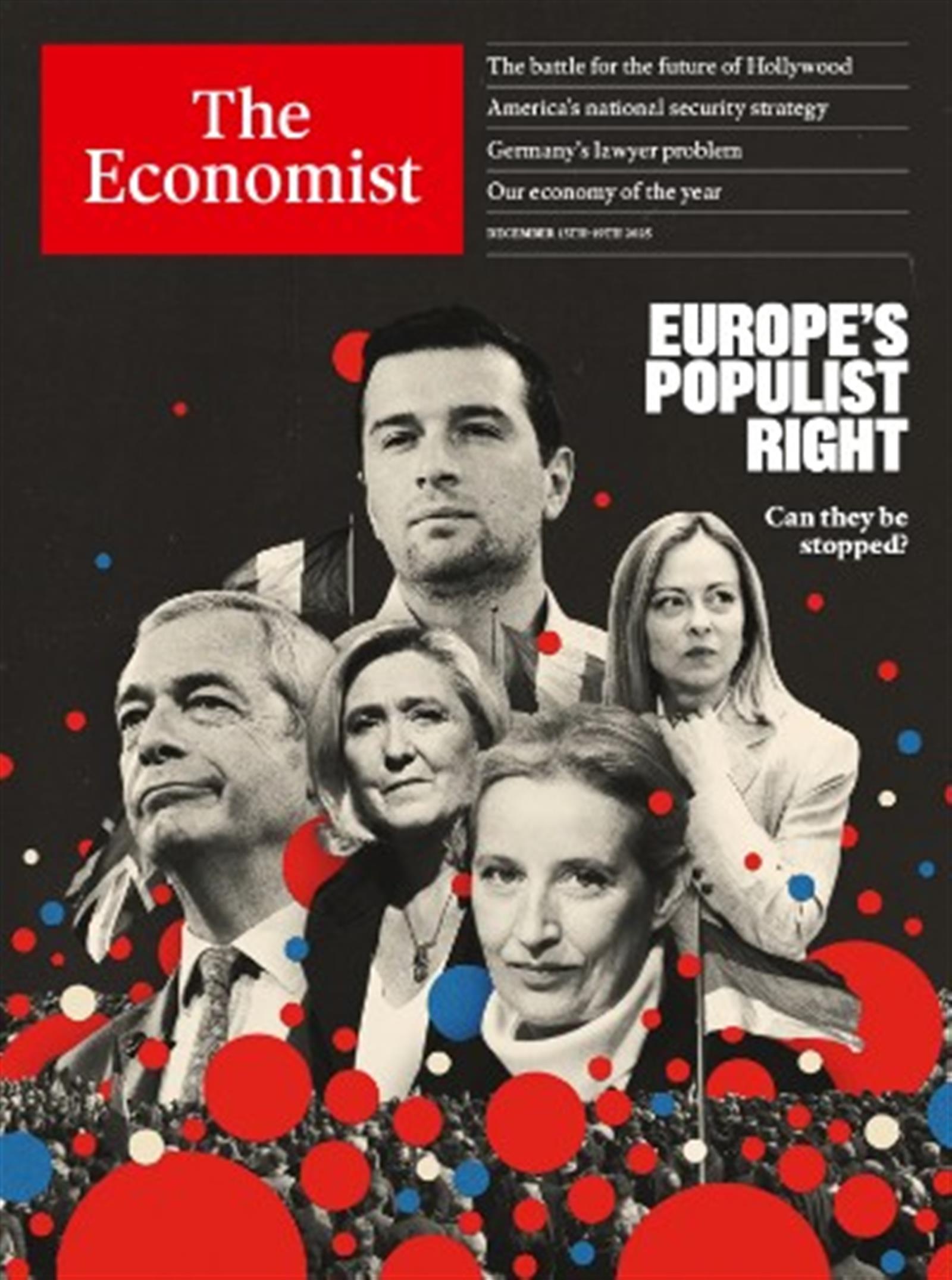
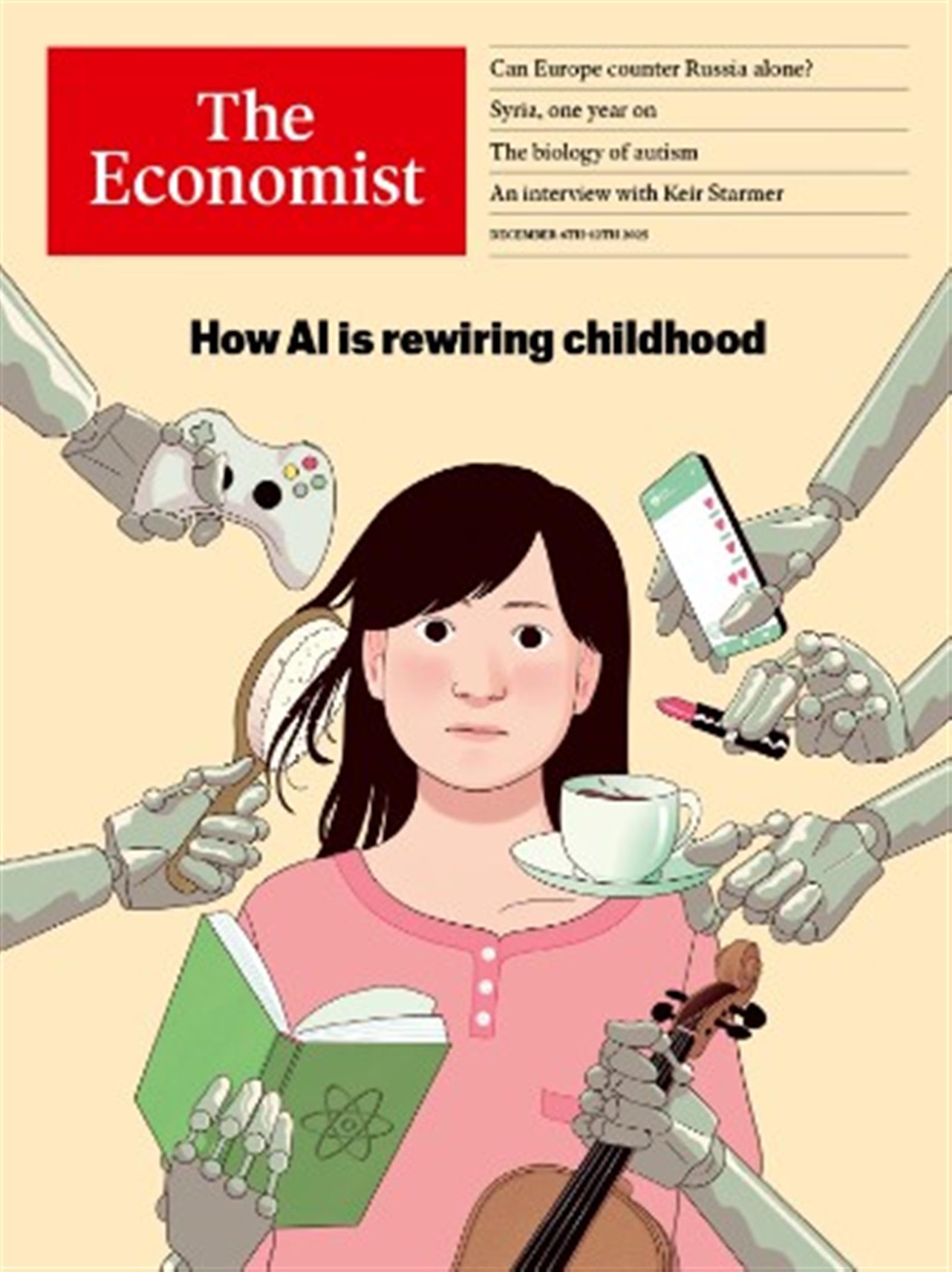
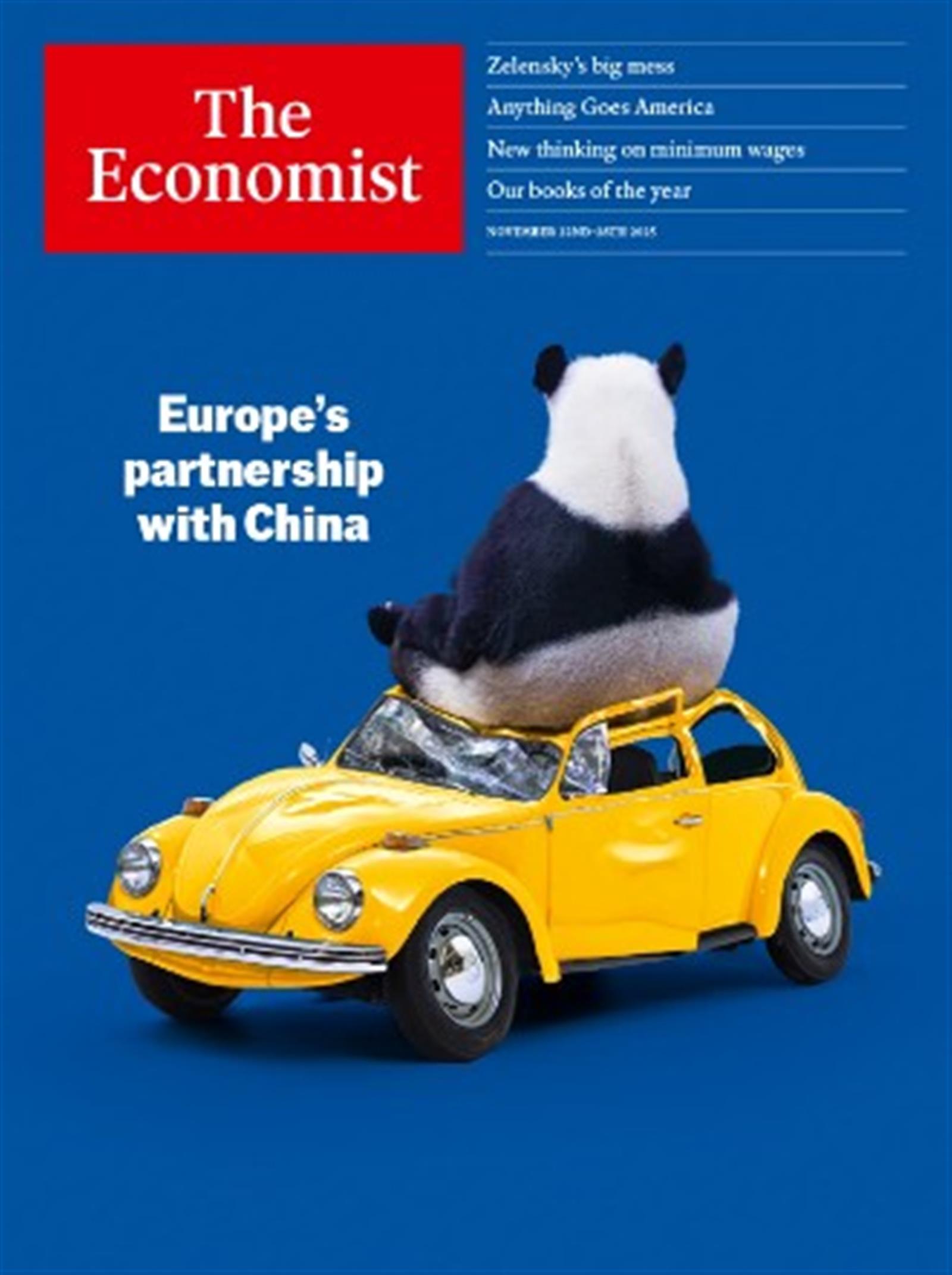
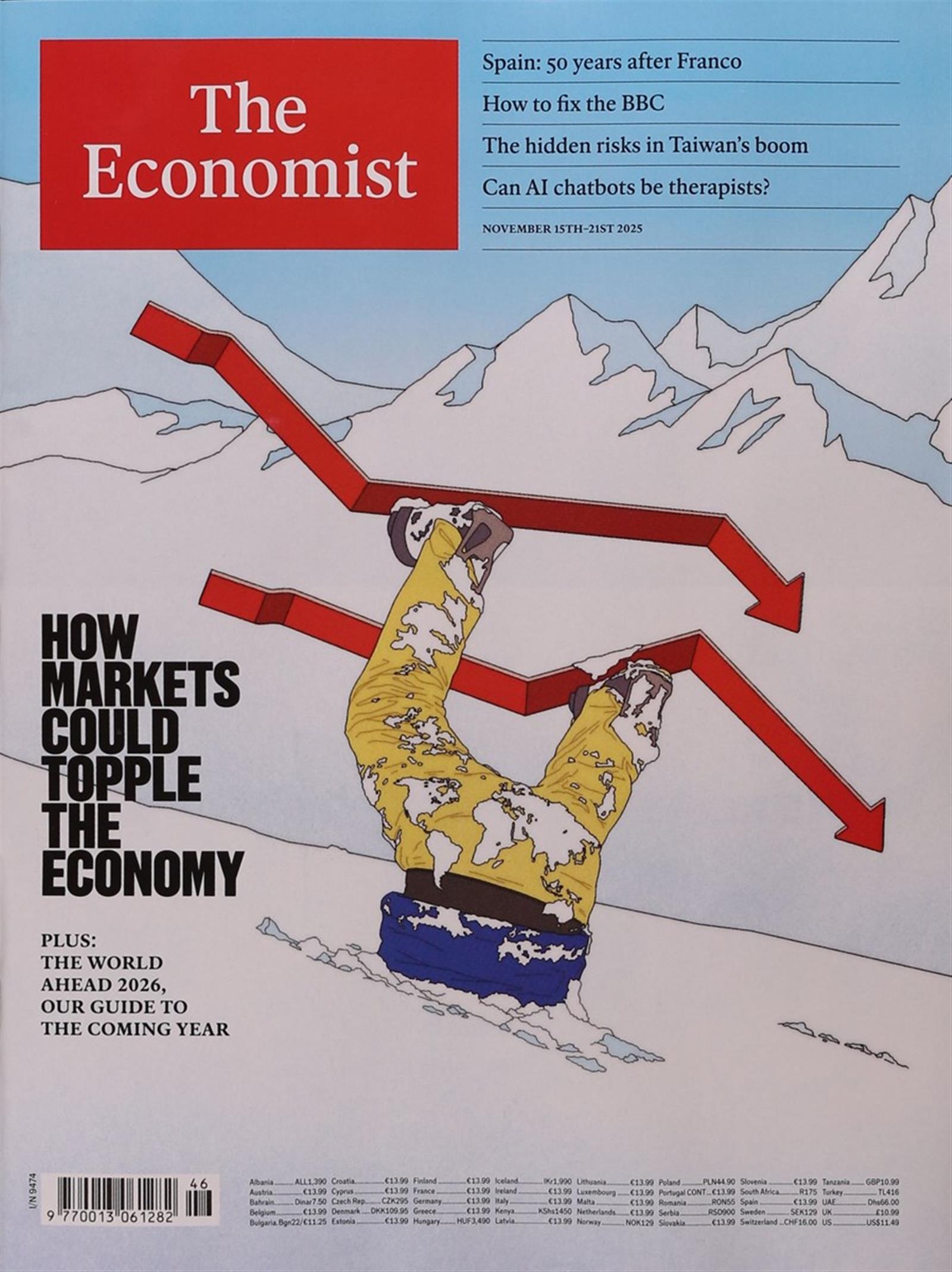
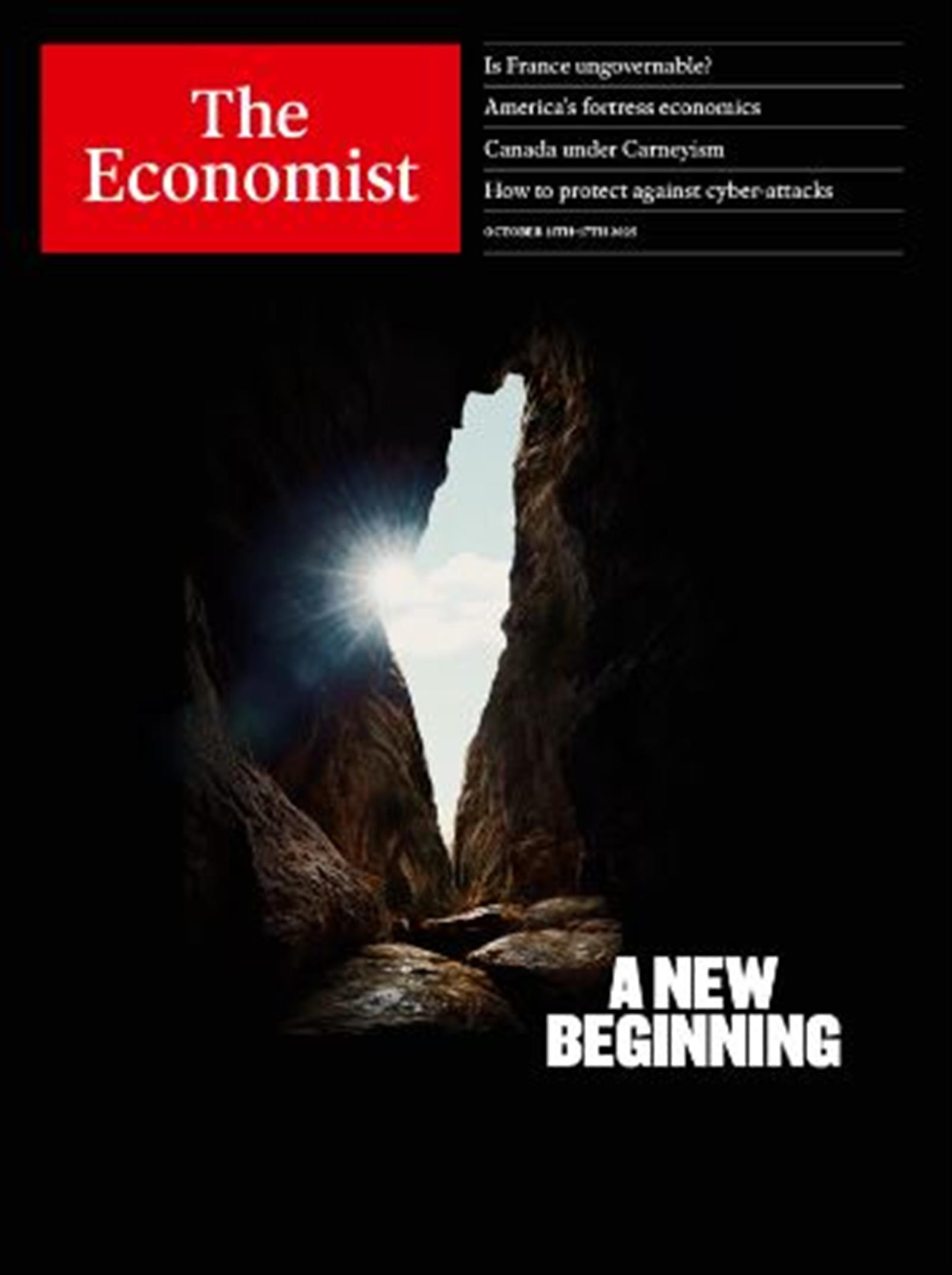
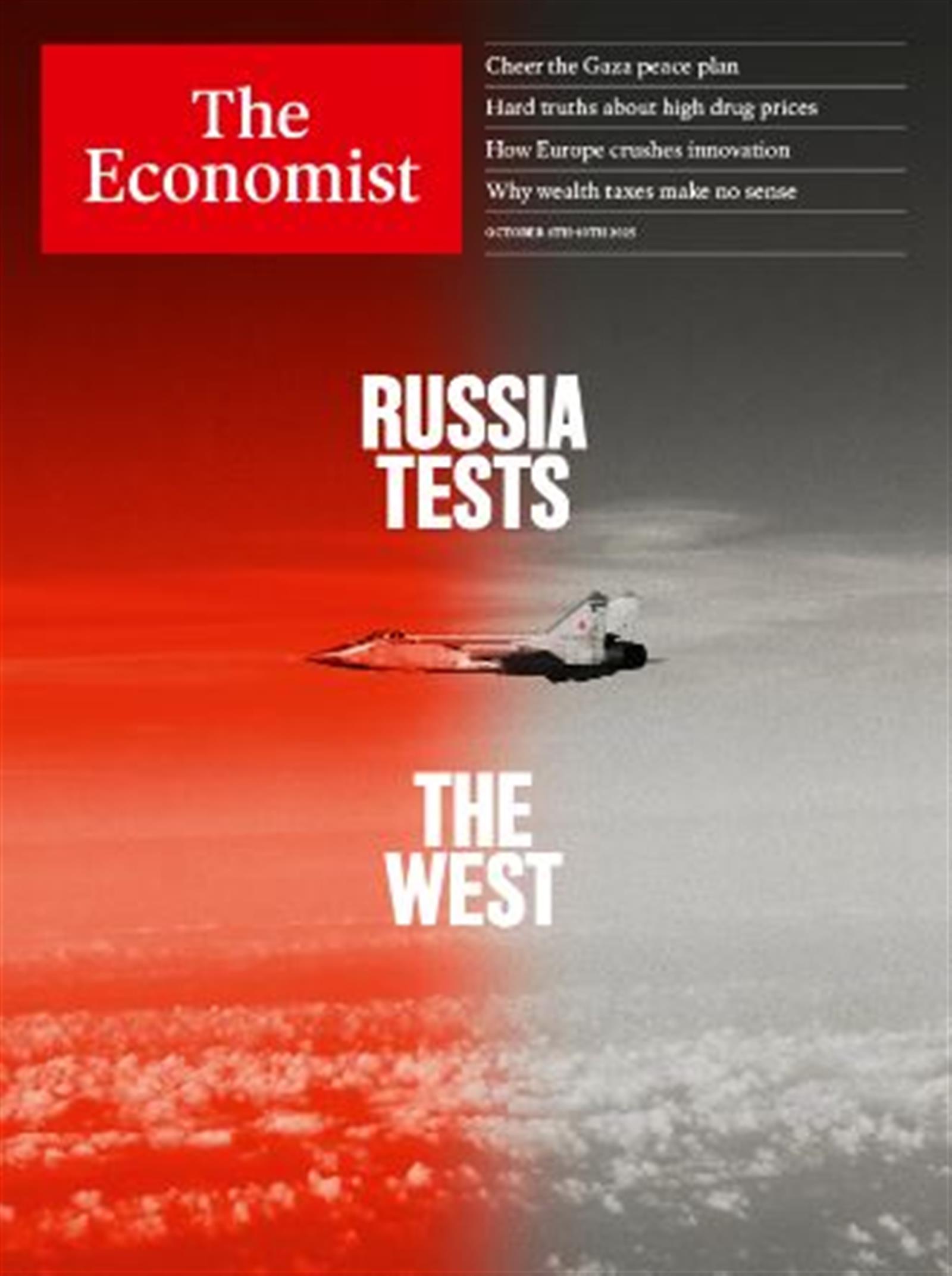
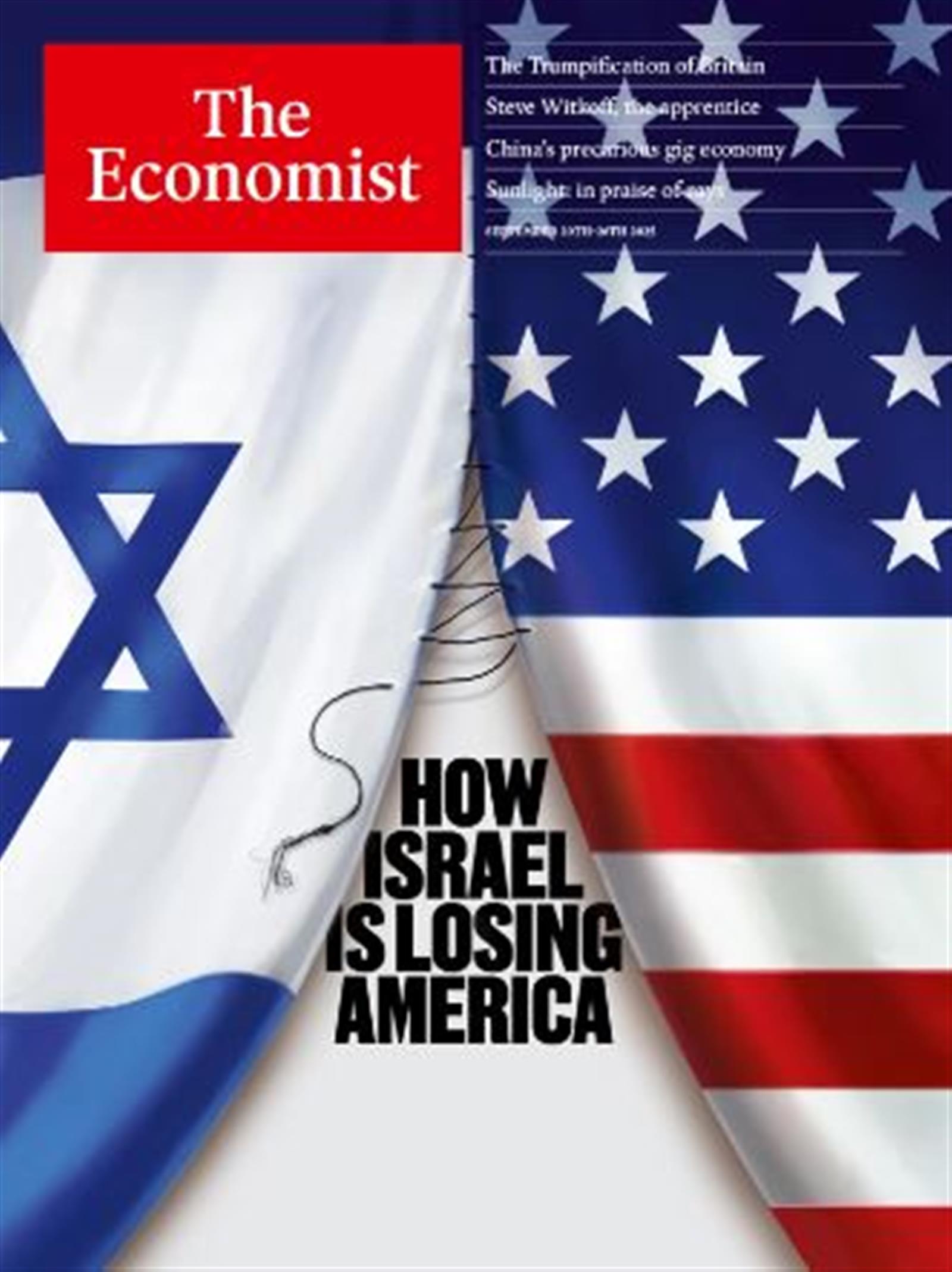
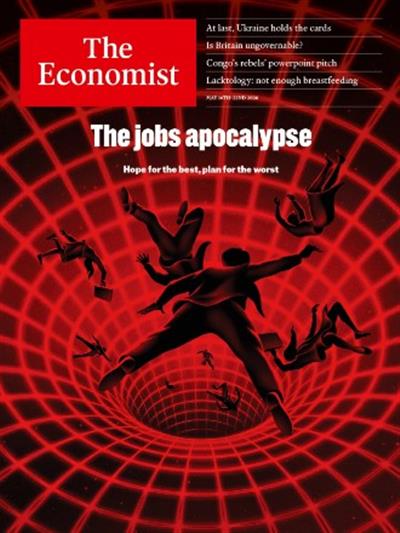
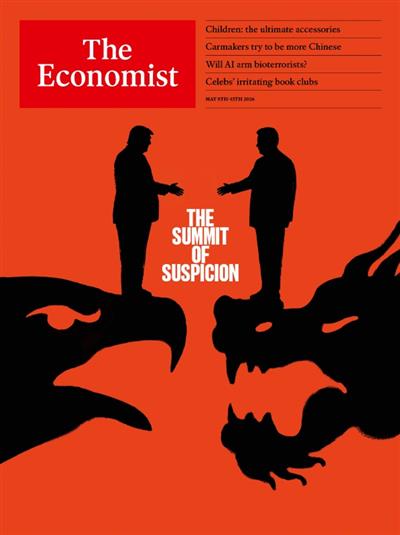
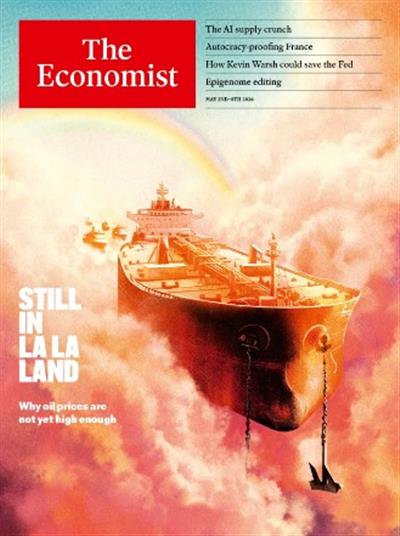
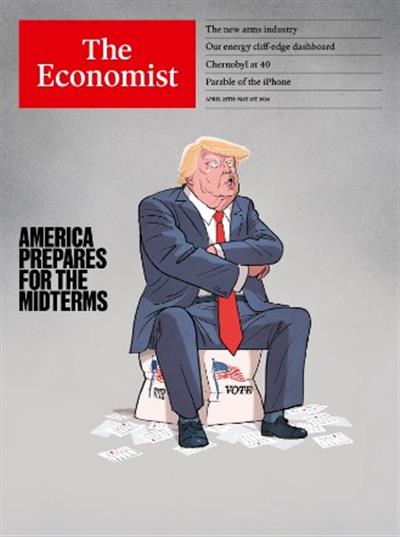
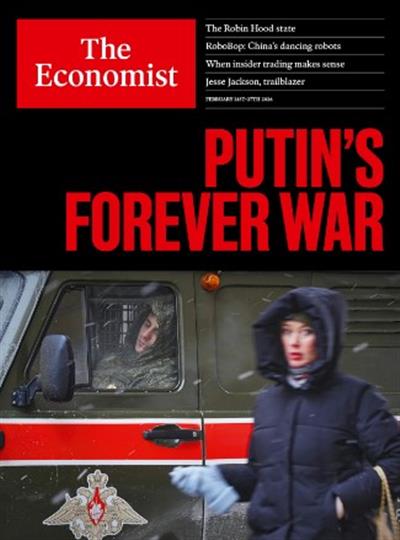
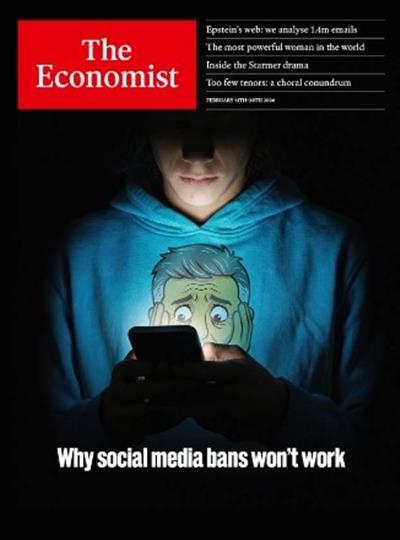
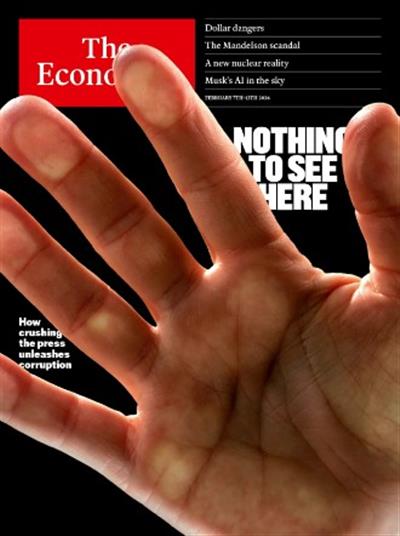
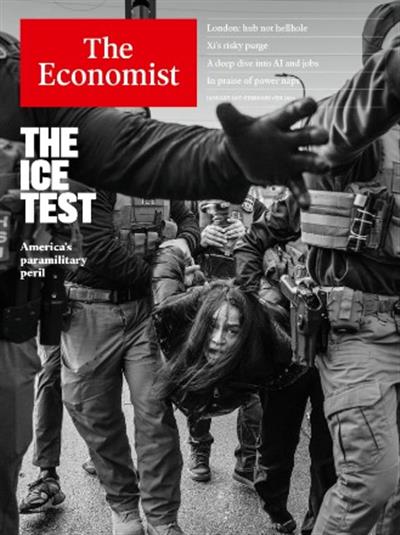
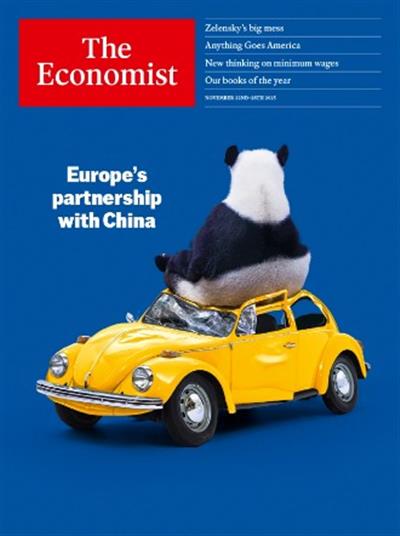
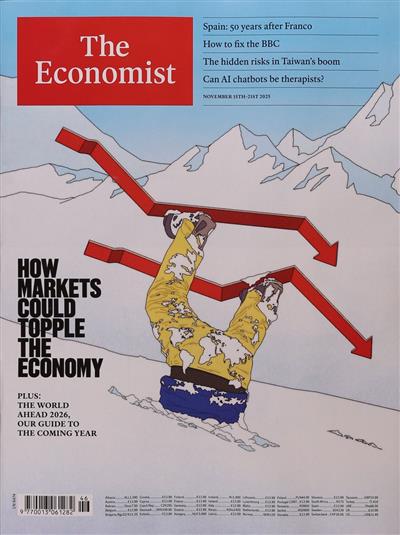
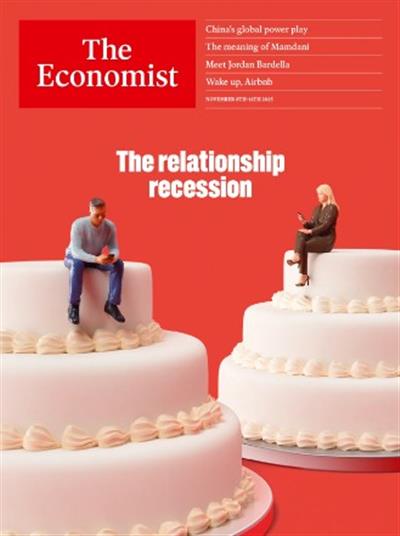
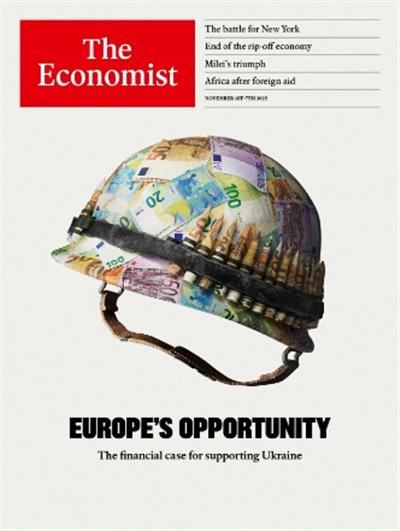
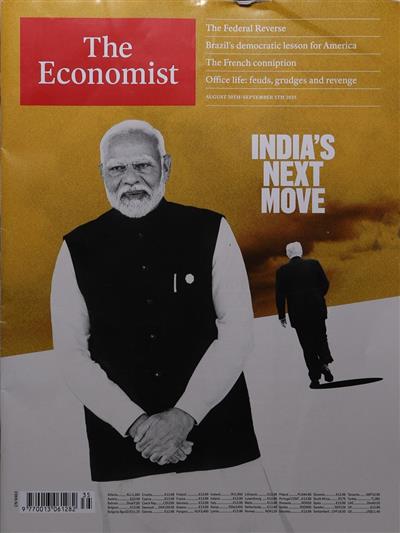
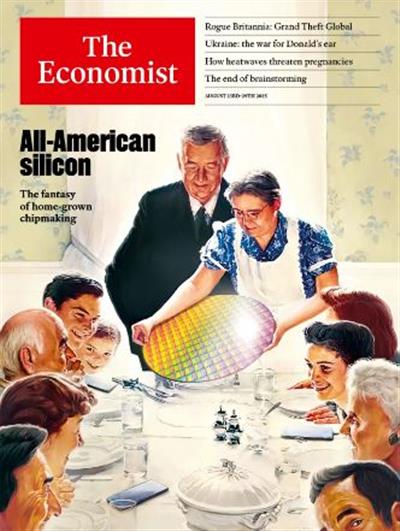
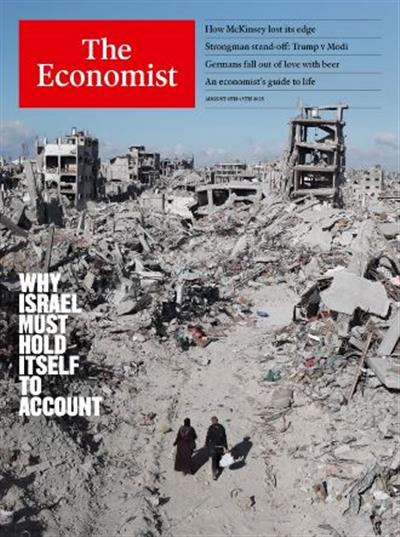
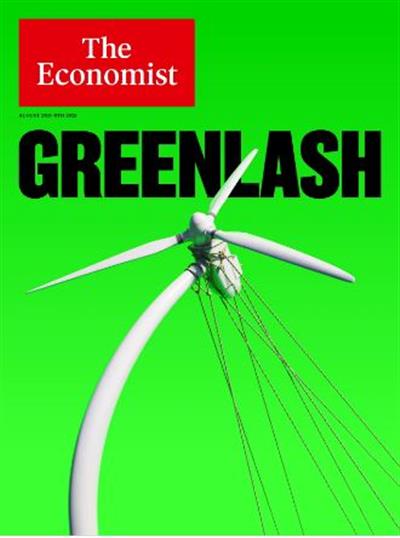
Der Economist ist eine der weltweit ältesten Zeitschriften und erscheint seit 1843. Das Magazin erscheint wöchentlich und wird in London herausgegeben.
Inhaltlich ist der Economist durch seine liberale Ausrichtung und die internationale Berichterstattung gekennzeichnet. Das Magazin erscheint in englischer Sprache und wird in sage und schreibe 200 Ländern herausgegeben. Die Schwerpunktthemen des Economist sind Politik, Wirtschaft und Finanzen. Darüber hinaus finden sich aber immer auch Artikel aus der Welt der Wissenschaft sowie Kunst und Kultur. Bekannt wurde der Economist unter anderem durch seine Indizes. So wird mit dem „Big-Mac-Index“ die Kaufkraft einer Währung bestimmt, zudem existieren auch der „Demokratie-Index“ und der „Global Peace Index“, die weltweite Beachtung finden.
Mit einer weltweiten Auflage von 1,6 Millionen verkauften Exemplaren (Stand 2016) zählt der Economist zu den bekanntesten Wirtschaftszeitschriften der Welt. Die Leserinnen und Leser zeichnen sich durch eine überdurchschnittliche Bildung sowie ein hohes politisches und ökonomisches Interesse aus.
Kennzeichnend für den Economist ist die fehlende namentliche Kennzeichnung der Artikel. Noch nicht einmal der Chefredakteur wird erwähnt.
Der Economist ist ein Produkt des Unternehmens The Economist Newspaper Limited, London.
Der Economist ist Teil der politischen International Zeitschriften. Wem der Sinn nach noch mehr englischsprachiger Lektüre steht, der ist mit der Financial Times Mo-Fr oder der Atlantic Monthly bestens beraten.
China is gaining troubling military know-how from Russia
Military cooperation between China and Russia is raising growing concerns in Western countries. While China supports Russia in the war in Ukraine with technologies and components, Beijing is increasingly benefiting from Russian expertise in areas such as drones, submarine technology, and air defence. This development could strengthen China’s military capabilities and affect the strategic balance in the Indo-Pacific region.
Lebanon has a chance to break free of Hizbullah
Lebanon has an opportunity to regain political and economic stability and reduce the influence of Hizbullah. Achieving this would require effective state institutions, structural reforms, and improved governance. In light of the country’s historical challenges and foreign interference, its potential to re-emerge as a regional economic hub is being reassessed.
China is dealing with its own manosphere
Misogynistic content is also spreading in parts of China’s online culture. Male influencers use social media to criticize feminist movements and intensify gender-related conflicts. The digital men’s movement combines personal grievances with nationalist arguments and reflects broader social tensions surrounding gender roles.
The Ebola epidemic is getting out of control
An Ebola outbreak in the Democratic Republic of Congo is spreading rapidly and has reached several provinces. A lack of protective equipment and limited medical resources are complicating efforts to contain the epidemic. Health facilities are struggling with rising numbers of patients, while the risk of further transmission to neighboring countries is increasing.
Child suspects are being prosecuted at younger ages
Several countries are lowering the age of criminal responsibility in response to rising youth crime. However, cases such as the use of a 13-year-old to carry out an armed attack demonstrate how easily minors can be exploited. Lowering the age for criminal prosecution could therefore be counterproductive and fail to address the underlying structural causes.
The man who would change Russia
The oligarch’s warning may indicate growing concern among influential figures in Russia about the country’s current direction. Whether such criticism will have an impact on political decision-making remains uncertain, but future developments could shape both Russia’s domestic stability and the course of the war in Ukraine.
NATO ponders how to defend Eastern Europe as America pulls back
NATO allies are preparing for a potential reduction in US security commitments to Europe, shifting focus to strengthening defence along the eastern flank. Exercises in the Baltic region highlight efforts to secure the Suwałki corridor and improve rapid response capabilities. German armoured units training near Belarus underscore the growing emphasis on readiness, concealment and counter-drone warfare in a more uncertain security environment.
The AI boom and geopolitics are rewiring Asia’s oceans
Geopolitical tensions and the expansion of AI infrastructure are reshaping the strategic role of Asia’s oceans. New data cables linking major data centres are being routed away from China and key maritime chokepoints. At the same time, concerns are growing over the vulnerability of the roughly 700 submarine communication cables that form the backbone of global digital connectivity.
The AI backlash is only getting started
Artificial intelligence is causing growing anxiety not only among techies but also among voters. In America, protests against data centers have derailed nearly $100bn in projects, rival AI megadonors are pouring tens of millions into a congressional race, and about 40% of voters want AI banned from most industries. Conflicts are also emerging in South Korea.
Andy Burnham promises hope. Britain needs more than that
Britain’s decline appears in many signs: feeble growth, public debt at 95% of GDP, struggling public services and depleted armed forces. Streets feel grubby, the electorate is in a foul mood, and even the BBC has cancelled the “Doctor Who” Christmas special.
Der Economist ist eine der weltweit ältesten Zeitschriften und erscheint seit 1843. Das Magazin erscheint wöchentlich und wird in London herausgegeben.
Inhaltlich ist der Economist durch seine liberale Ausrichtung und die internationale Berichterstattung gekennzeichnet. Das Magazin erscheint in englischer Sprache und wird in sage und schreibe 200 Ländern herausgegeben. Die Schwerpunktthemen des Economist sind Politik, Wirtschaft und Finanzen. Darüber hinaus finden sich aber immer auch Artikel aus der Welt der Wissenschaft sowie Kunst und Kultur. Bekannt wurde der Economist unter anderem durch seine Indizes. So wird mit dem „Big-Mac-Index“ die Kaufkraft einer Währung bestimmt, zudem existieren auch der „Demokratie-Index“ und der „Global Peace Index“, die weltweite Beachtung finden.
Mit einer weltweiten Auflage von 1,6 Millionen verkauften Exemplaren (Stand 2016) zählt der Economist zu den bekanntesten Wirtschaftszeitschriften der Welt. Die Leserinnen und Leser zeichnen sich durch eine überdurchschnittliche Bildung sowie ein hohes politisches und ökonomisches Interesse aus.
Kennzeichnend für den Economist ist die fehlende namentliche Kennzeichnung der Artikel. Noch nicht einmal der Chefredakteur wird erwähnt.
Der Economist ist ein Produkt des Unternehmens The Economist Newspaper Limited, London.
Der Economist ist Teil der politischen International Zeitschriften. Wem der Sinn nach noch mehr englischsprachiger Lektüre steht, der ist mit der Financial Times Mo-Fr oder der Atlantic Monthly bestens beraten.
 5,00
4,56
5,00
4,50
3,00
4,88
0,00
4,33
4,36
4,85
4,40
4,63
4,80
4,77
5,00
4,40
4,50
4,53
5,00
4,24
4,79
4,84
5,00
4,77
4,17
5,00
4,57
4,71
4,47
4,87
5,00
4,56
5,00
4,50
3,00
4,88
0,00
4,33
4,36
4,85
4,40
4,63
4,80
4,77
5,00
4,40
4,50
4,53
5,00
4,24
4,79
4,84
5,00
4,77
4,17
5,00
4,57
4,71
4,47
4,87