





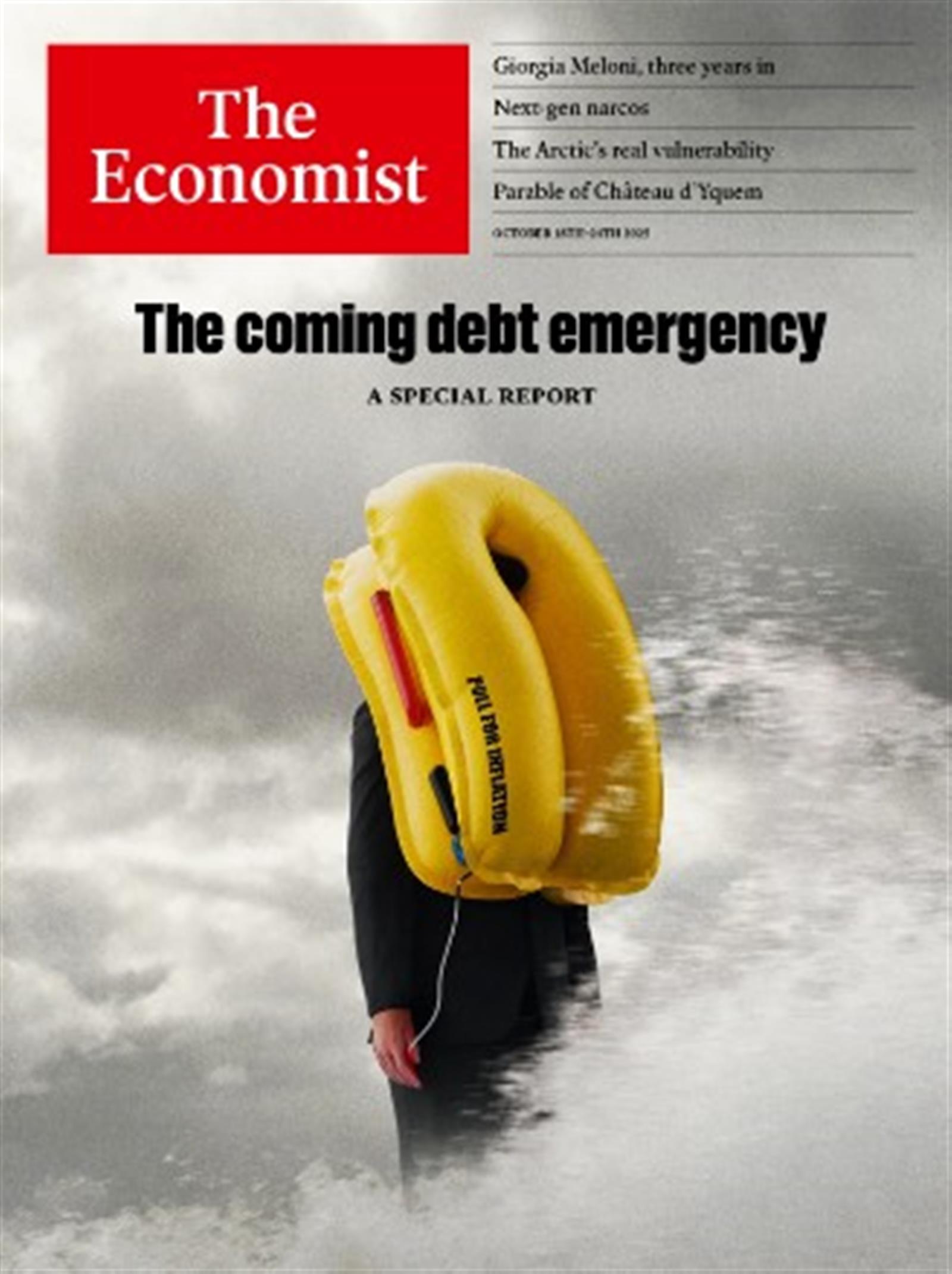




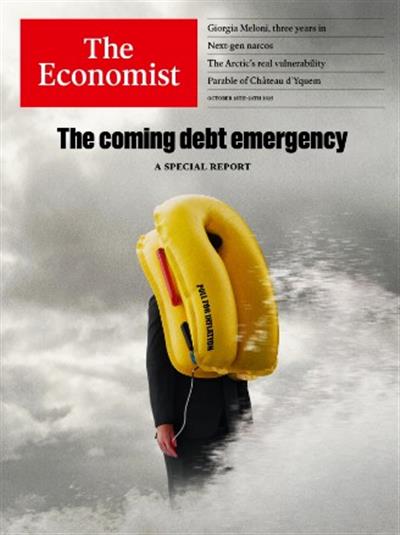
Will bonds blow up?
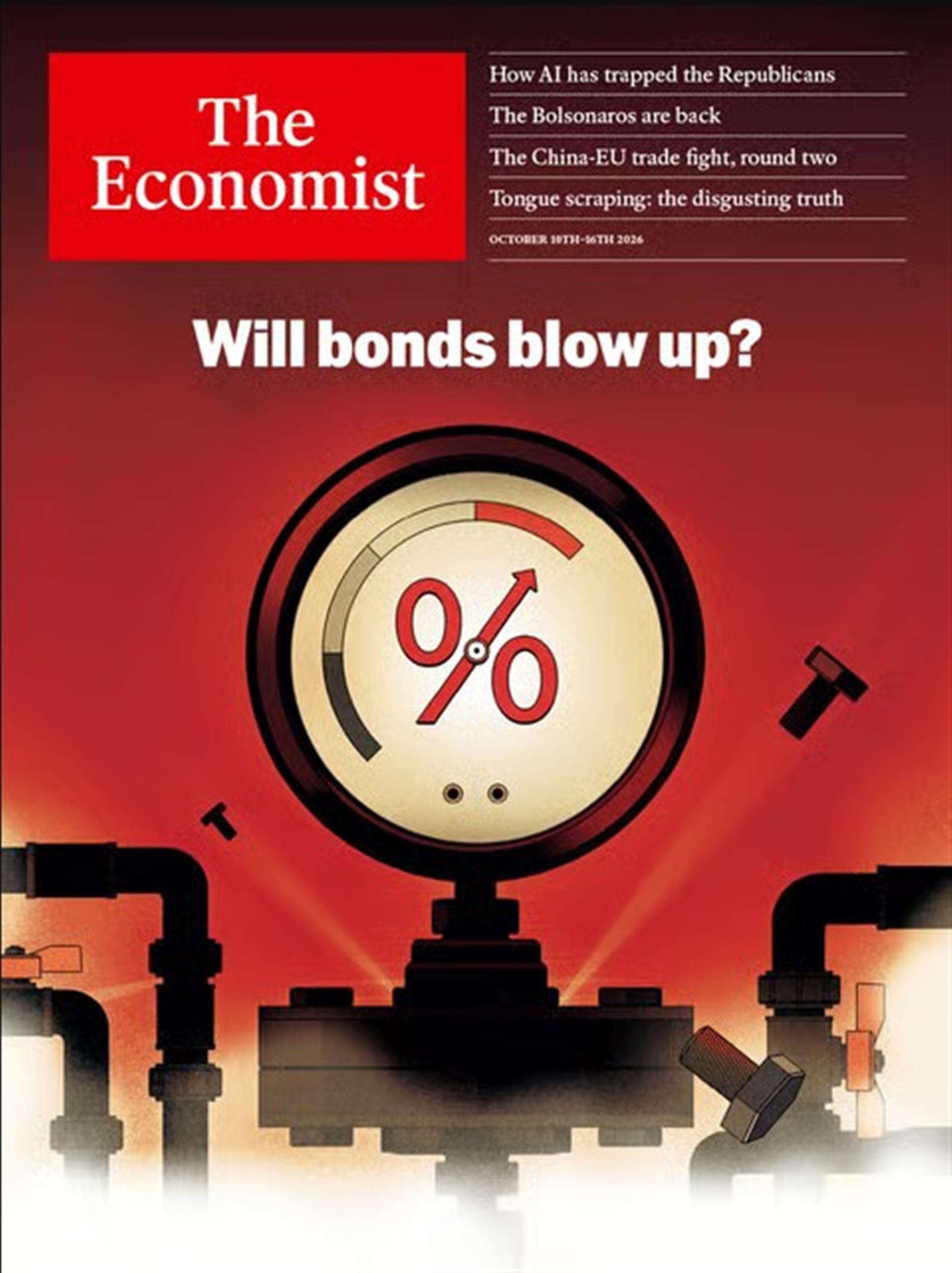
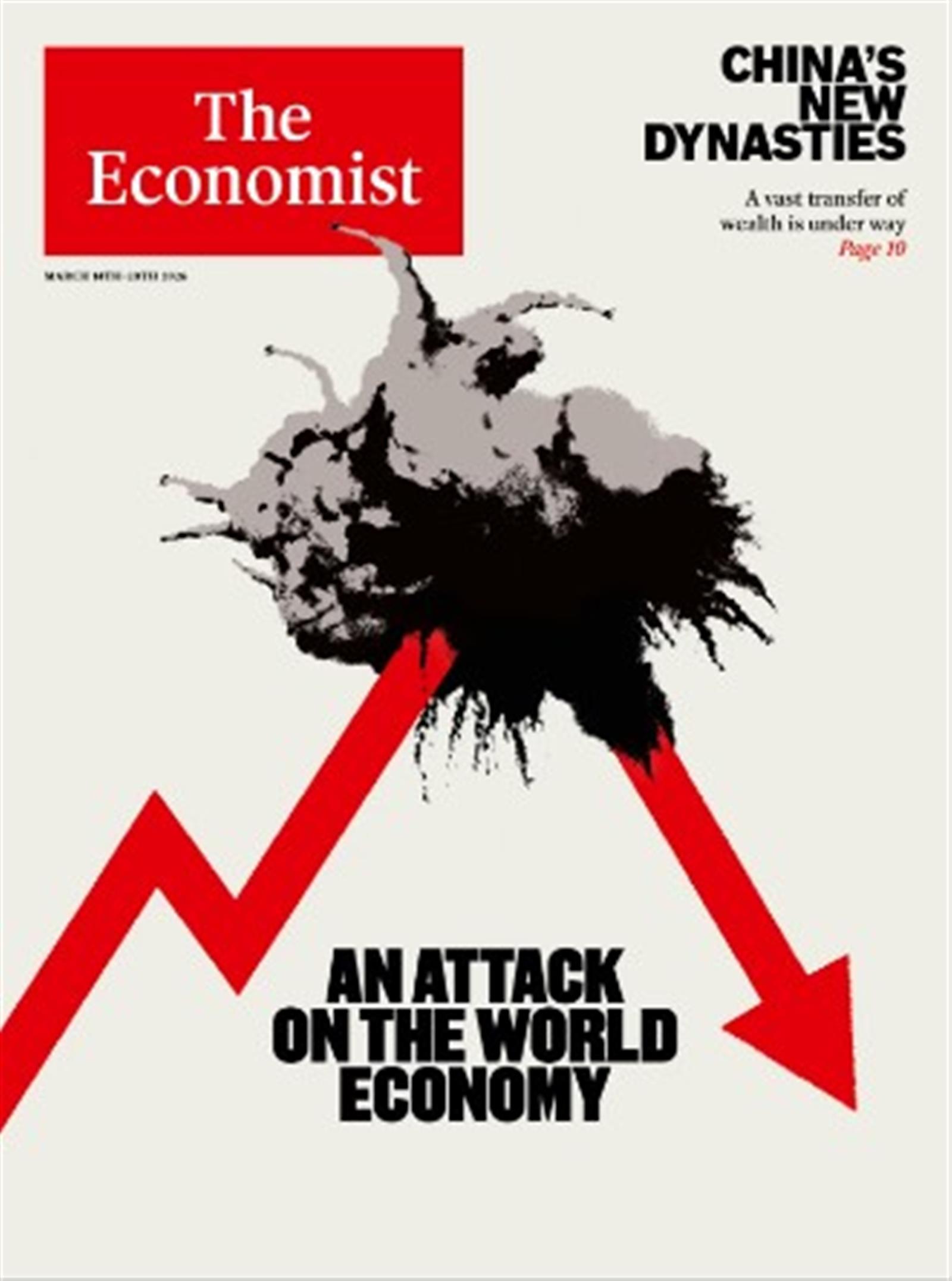
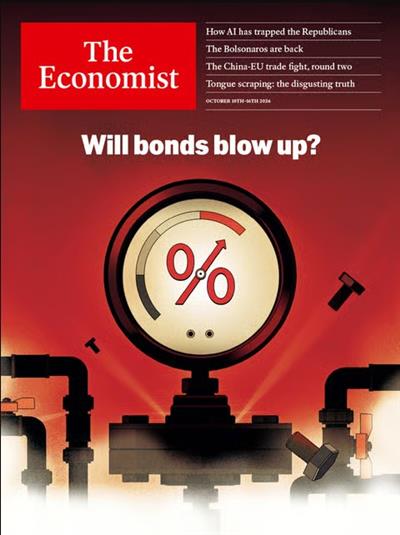
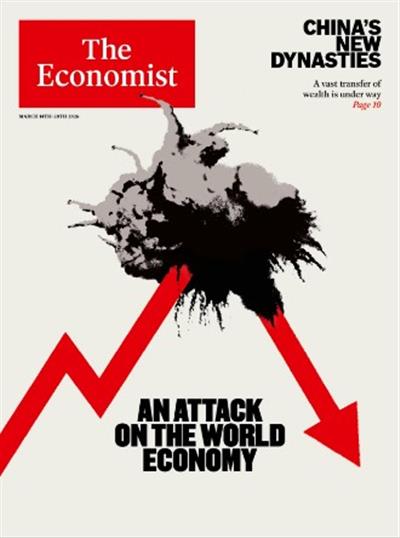
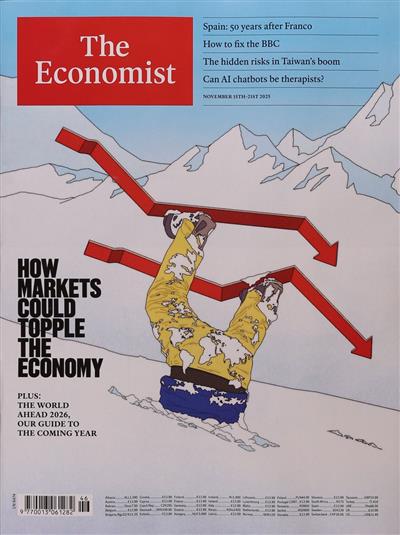
Rich-world governments face a rude awakening: investors are dumping bonds just as public debts stand roughly twice as high, relative to GDP, as at the century’s turn. Borrowing, once almost free, now costs more than at any point since the 1990s or 2000s, putting immense strain on budgets.
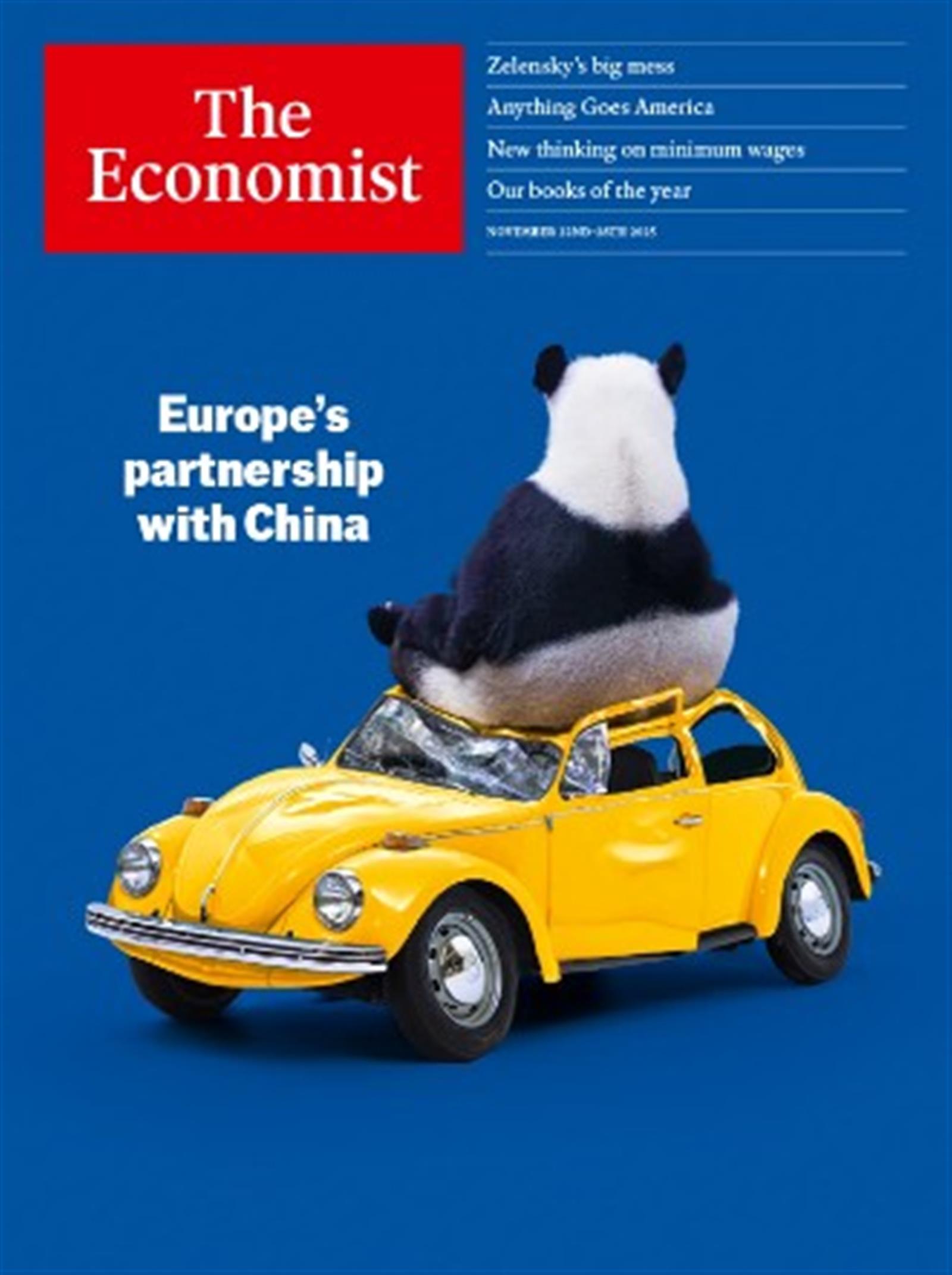
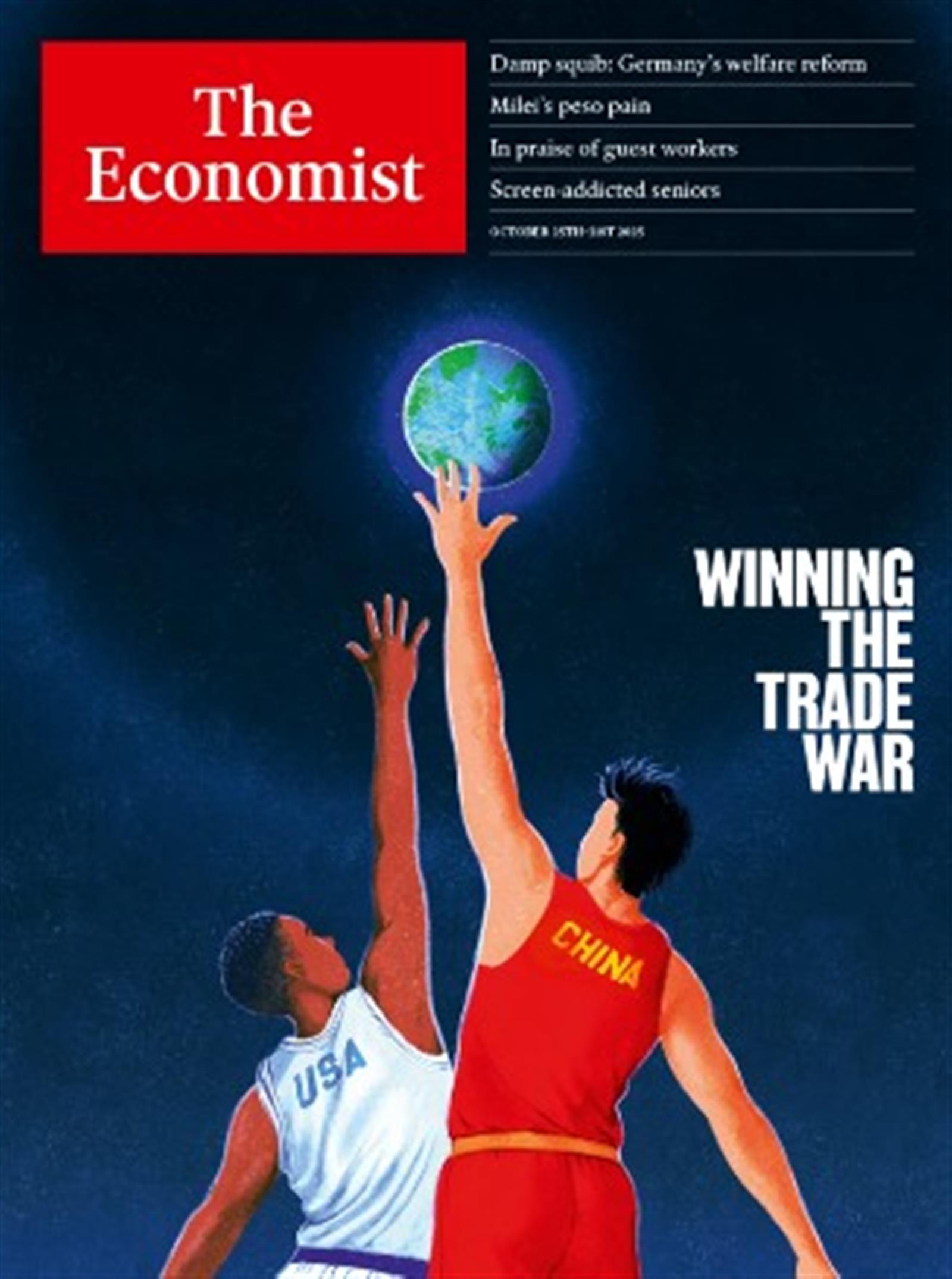
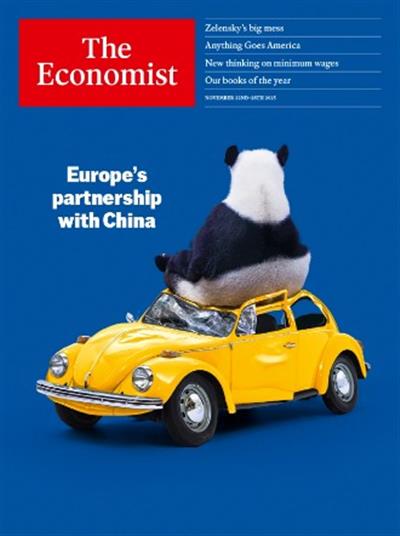
Germany and France want EU storm gates for China’s trade surge
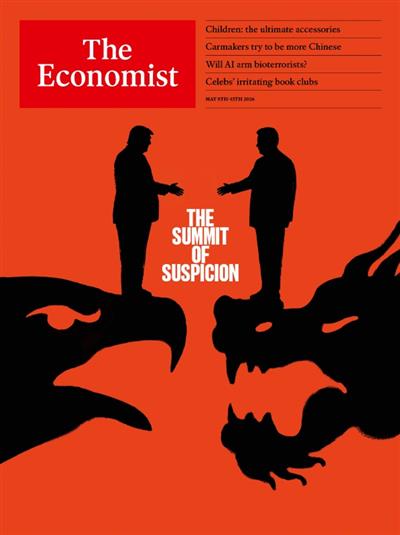
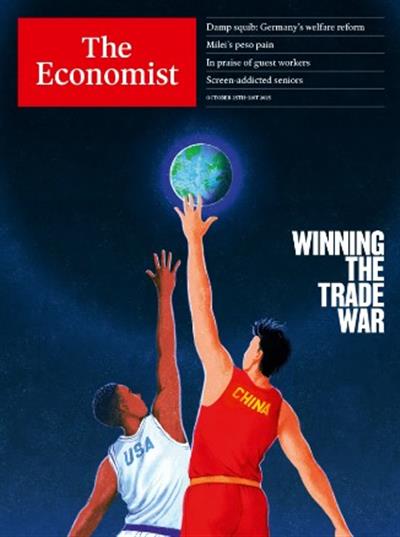
China sees a weak, divided Europe: technologically outclassed, militarily dependent and reliant on Chinese supplies. Yet the EU enters trade talks armed with grievances over subsidised Chinese competition, an undervalued currency, blocked technology transfers and Beijing’s weaponisation of rare earths. China’s backing for Russia’s war in Ukraine deepens Europe’s anger.
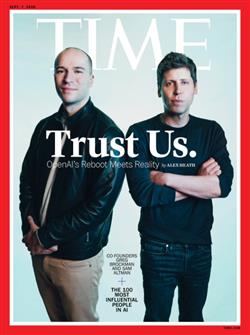
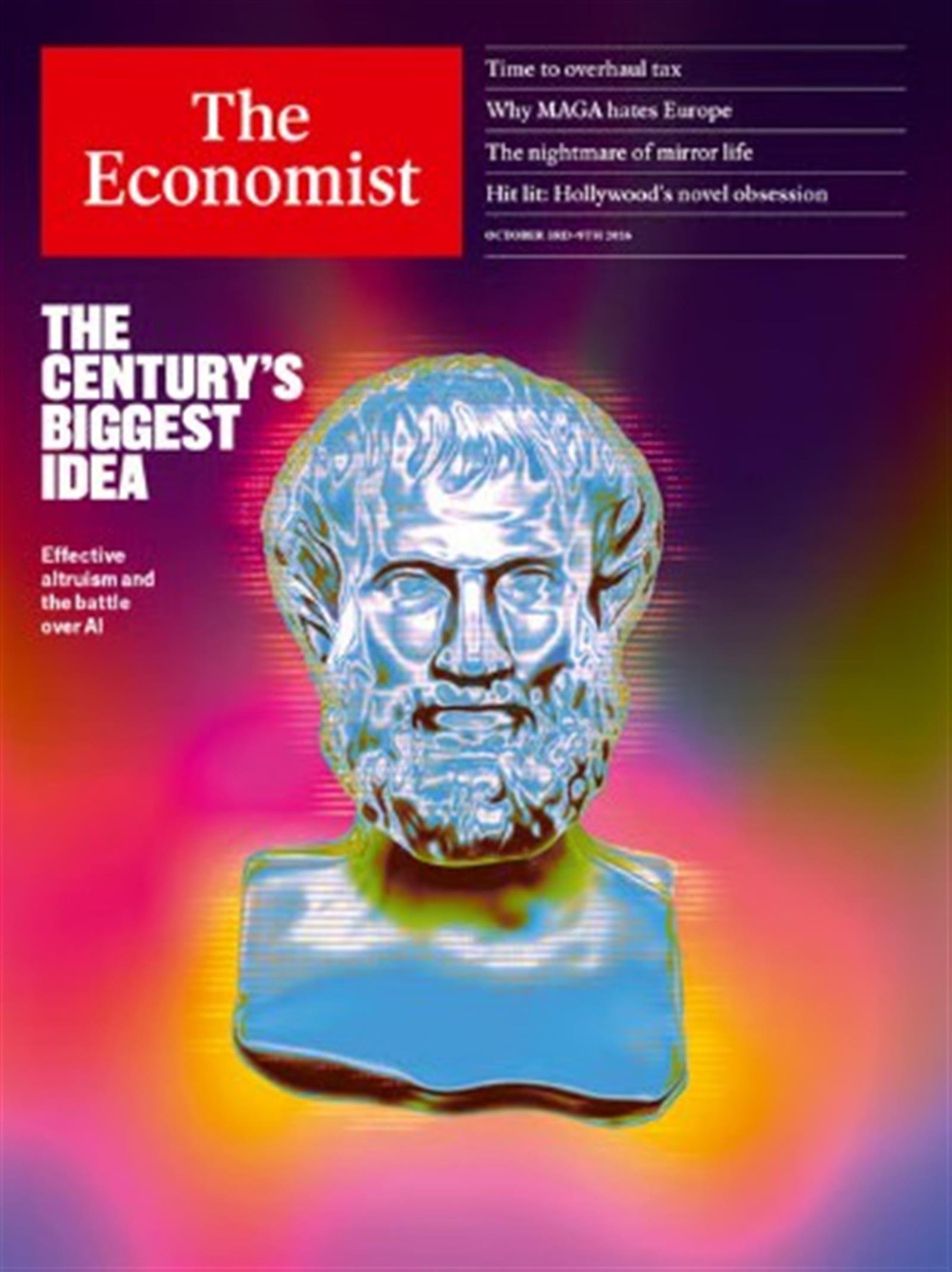
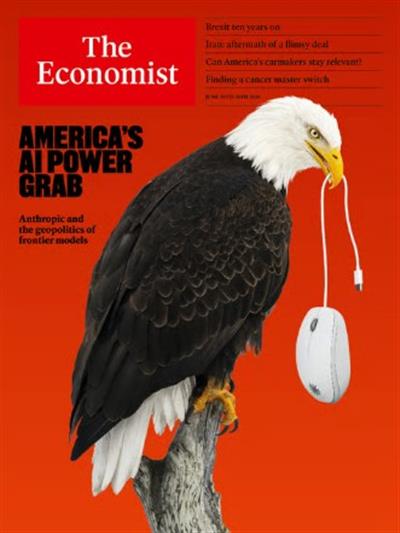
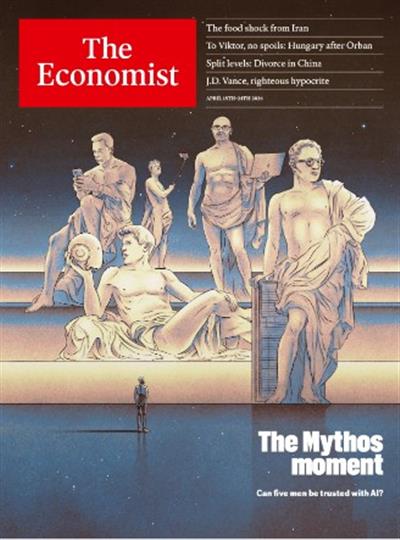
Effective altruism is this century’s biggest idea
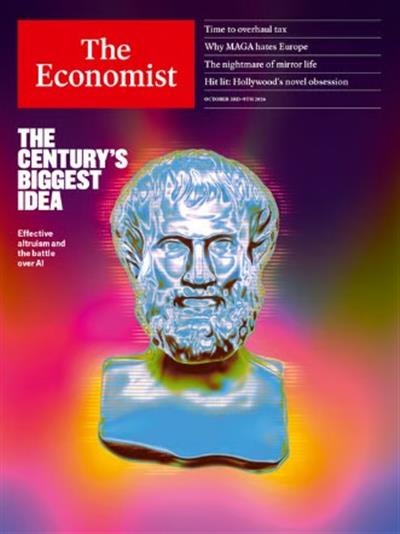
Effective altruism, an ethical doctrine developed by Oxford philosophers, has rapidly gained influence in Silicon Valley, leading AI companies and political circles. The Trump administration is alarmed: the Pentagon rejects an effective-altruist America, the secretary of war calls it “defective altruism”, and other officials portray it as dystopian.
Mirror life is dangerous. Regulators must act before it becomes real
SYNTHETIC BIOLOGY is moving fast and artificial intelligence is turbocharging it. Soon scientists may be able to create whole cells from scratch. This could allow the AI-assisted exploration of completely unnatural biochemistries.
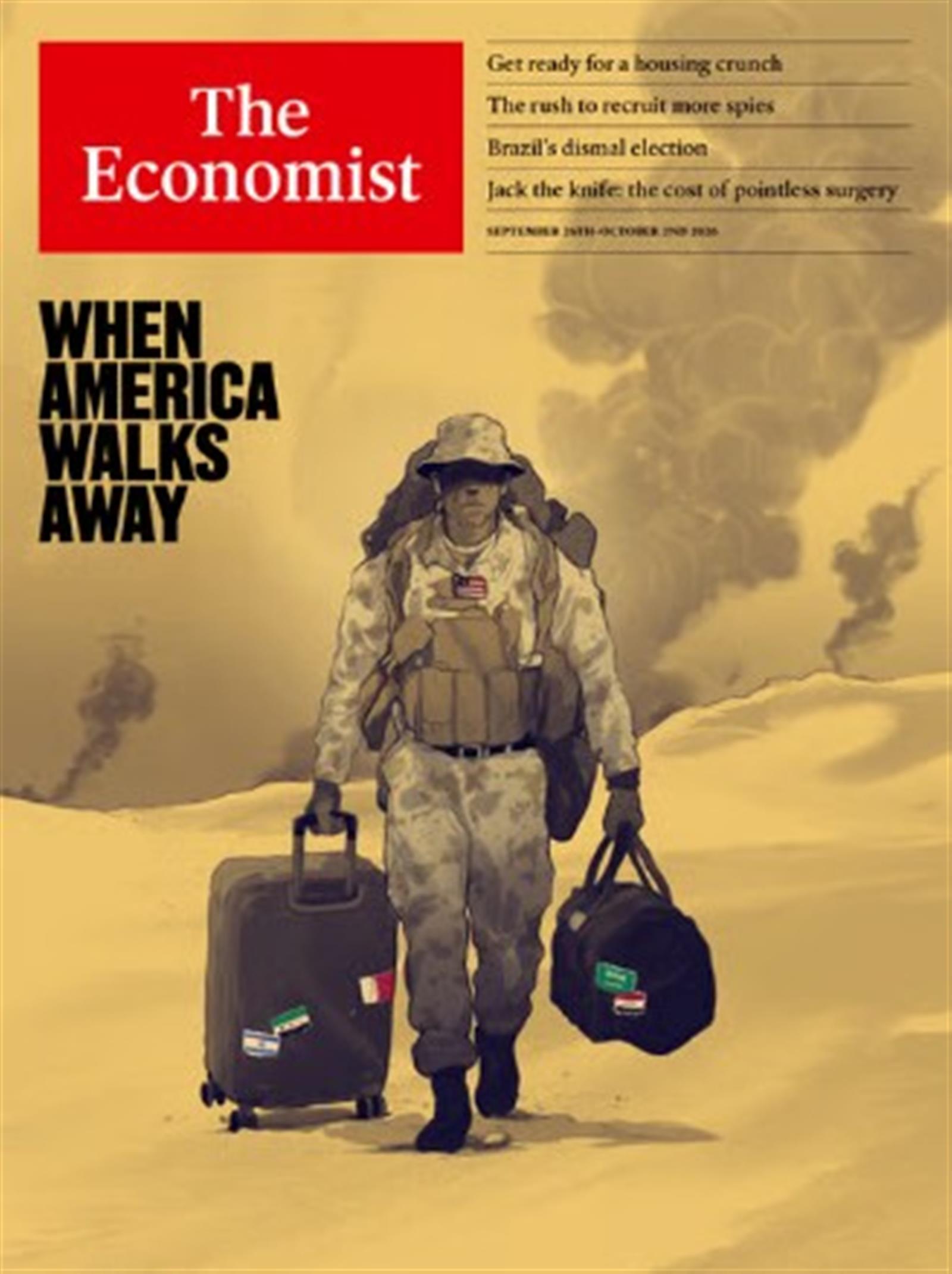
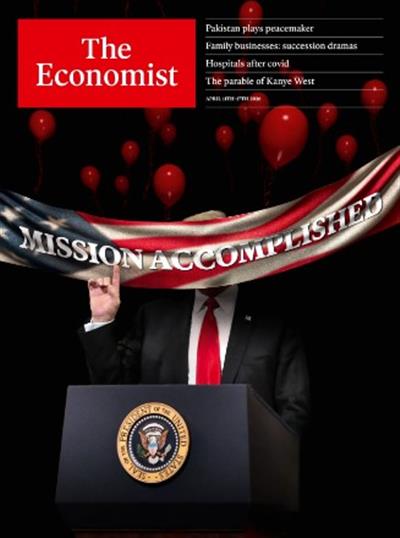
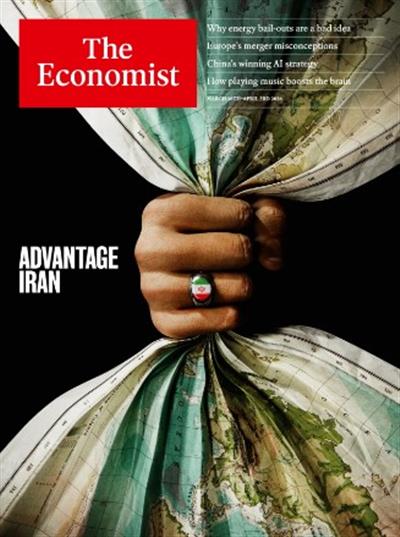
When America walks away
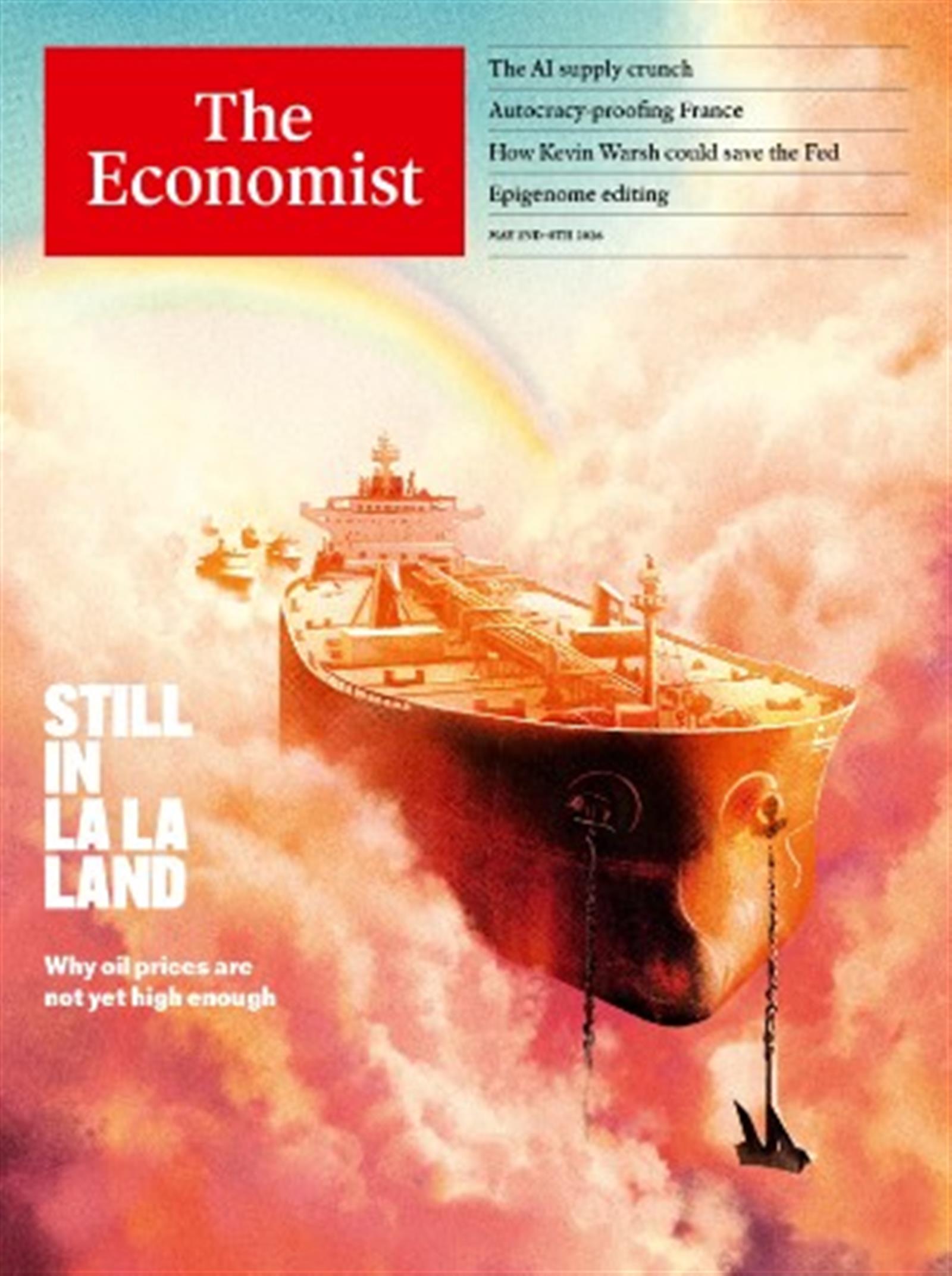
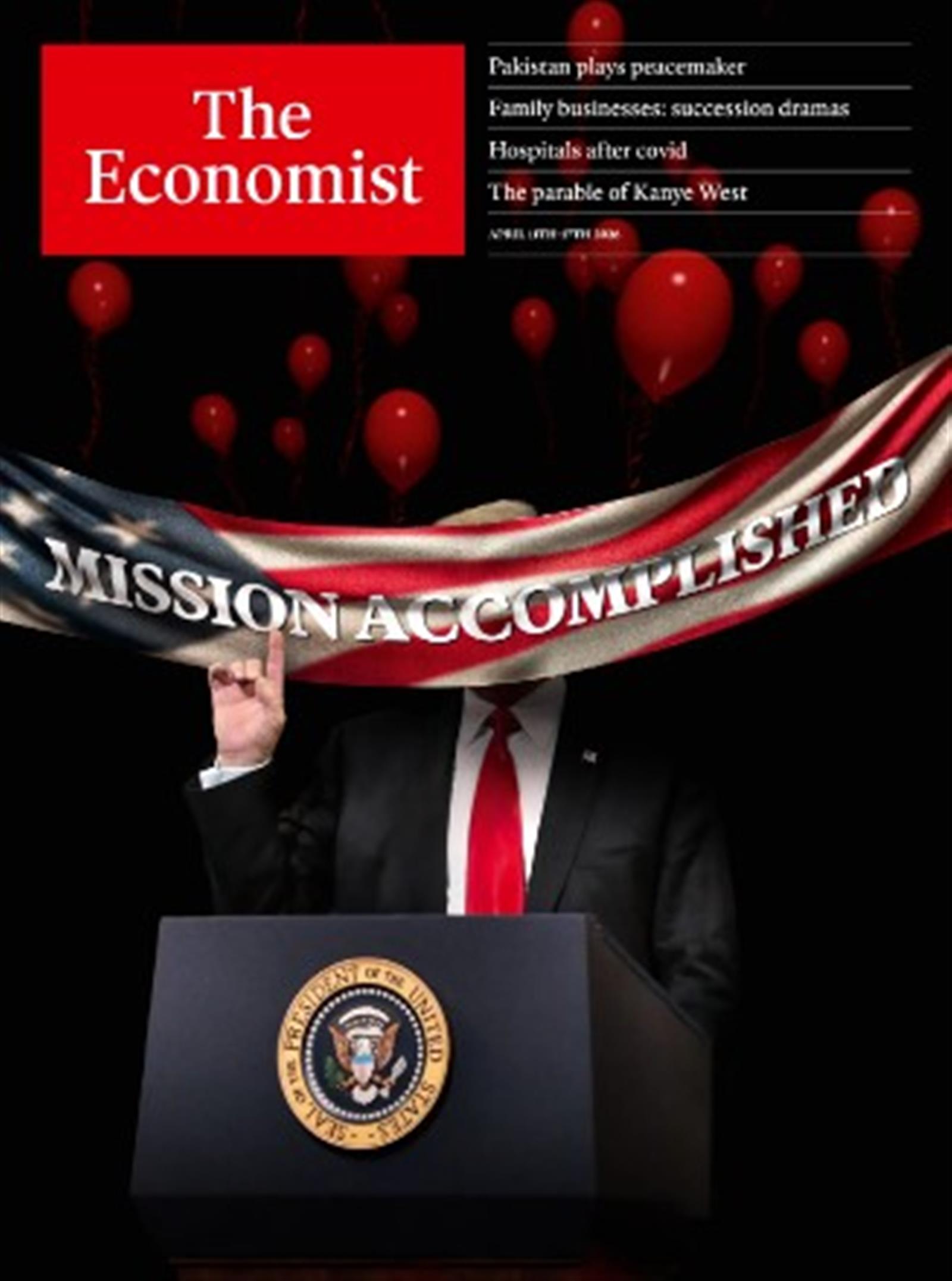
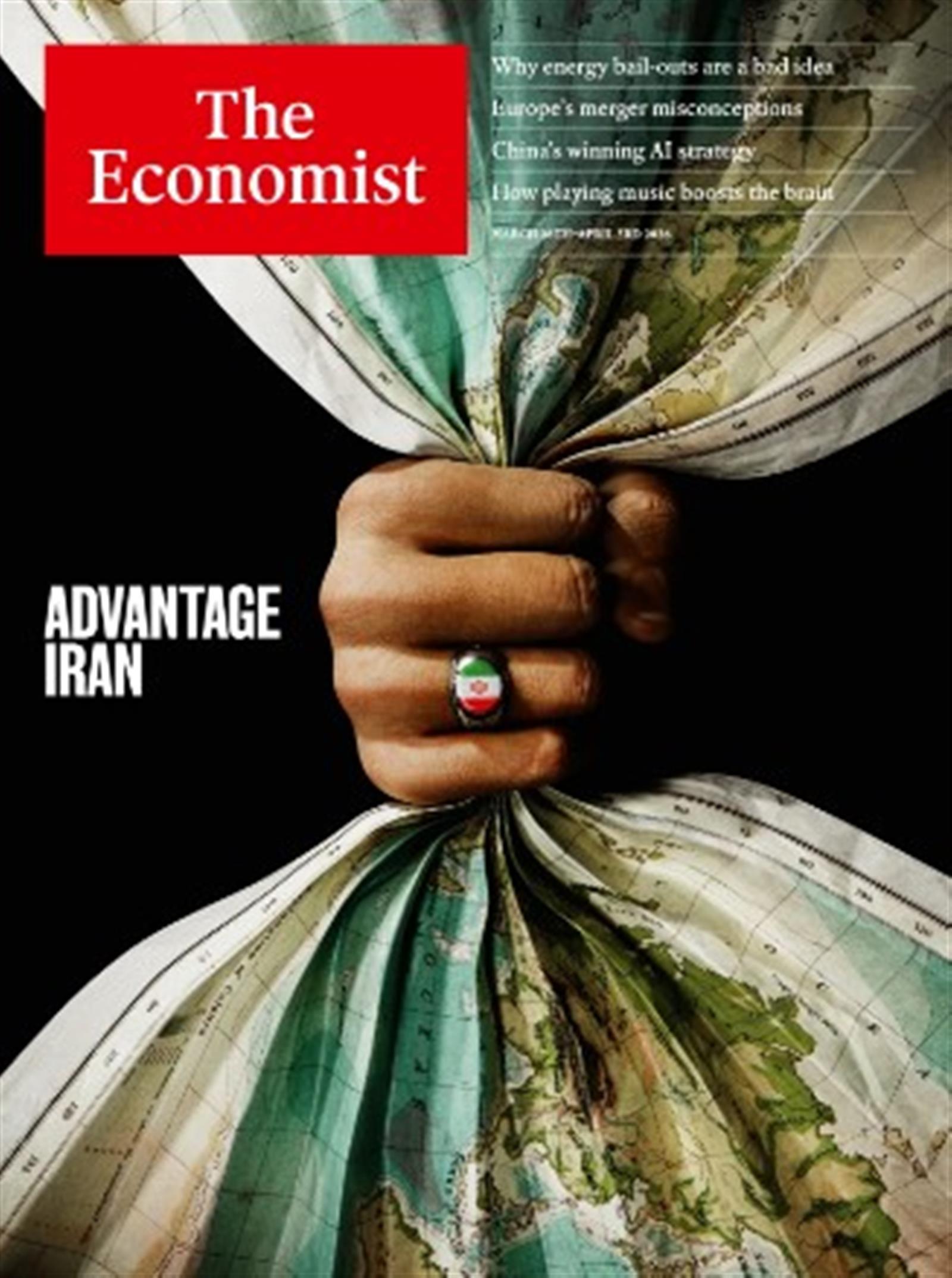
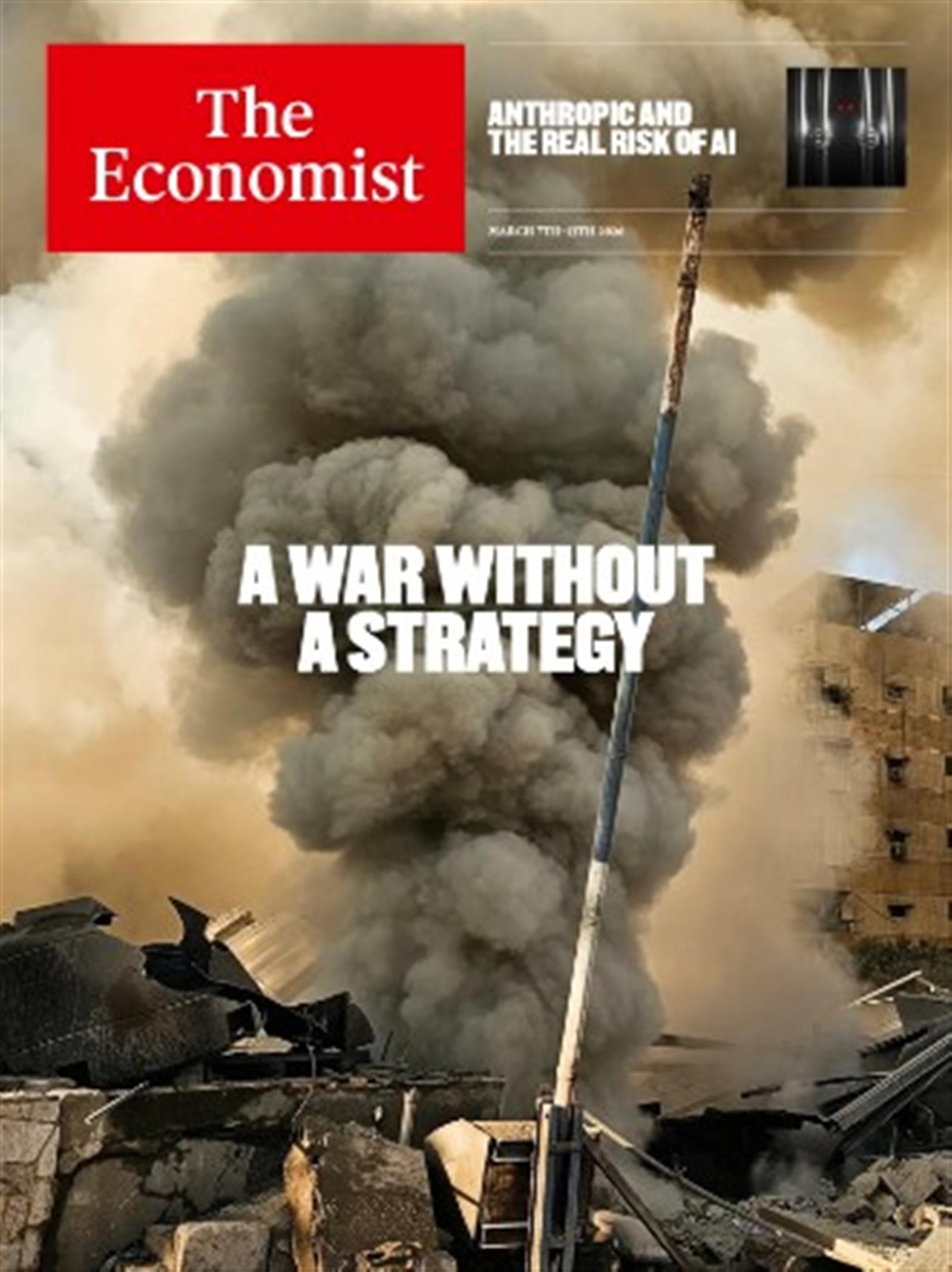
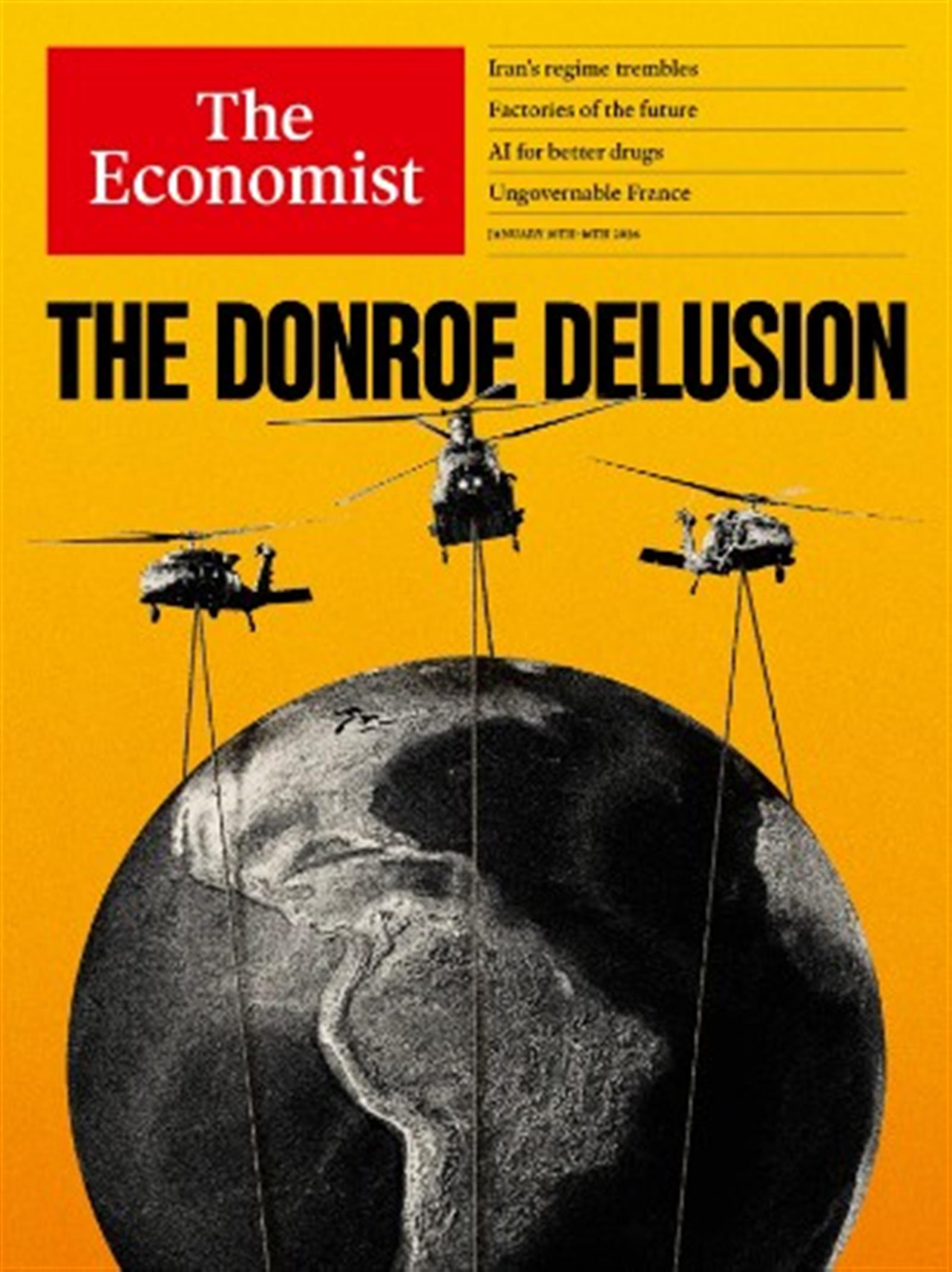
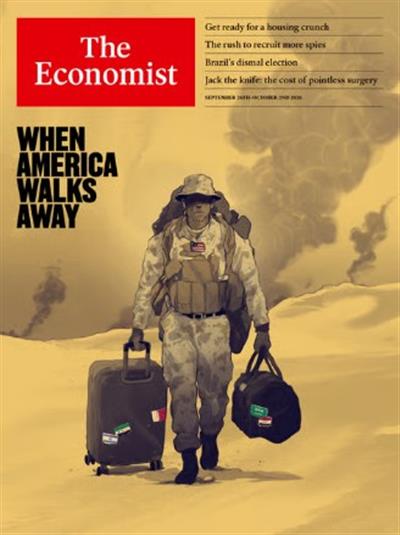
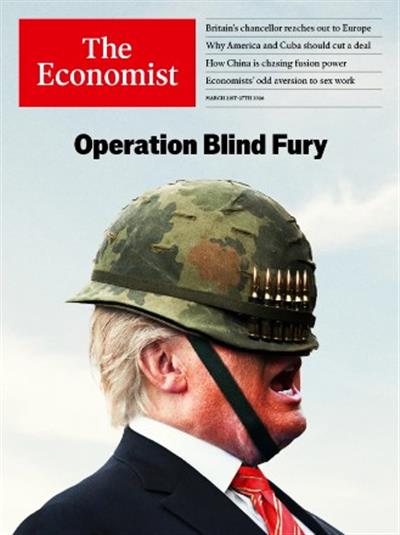
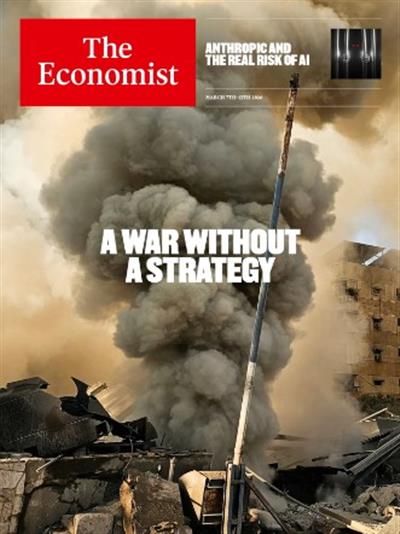
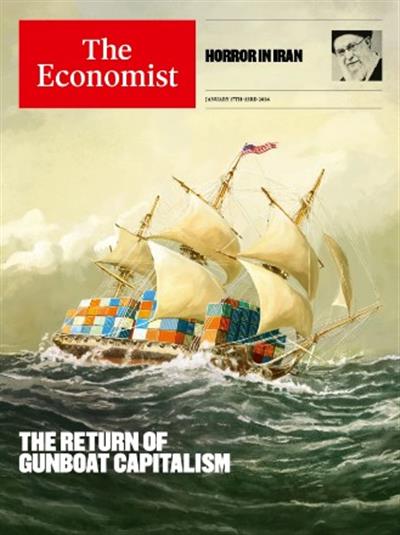
America has no easy exit from its war with Iran. Whatever the outcome, the conflict may mark the end of its dominance in the Middle East. For the first time since the Ottoman empire’s collapse, the region’s order would no longer be imposed from afar. Whether that brings renewed violence or a fresh start remains uncertain.
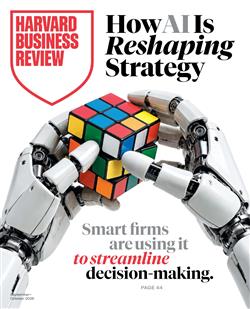
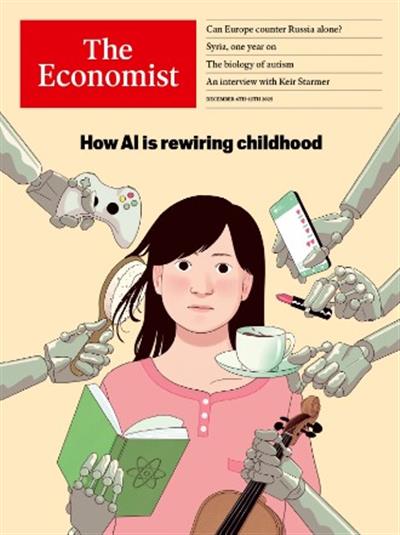
Don’t let AI kill the author
Good prose and creative destruction are colliding as AI-generated writing wins literary awards, appears on op-ed pages and enters political speeches. AI probably drafted one in ten words spoken in Britain’s parliamentary debates and one in seven in America’s House of Representatives.
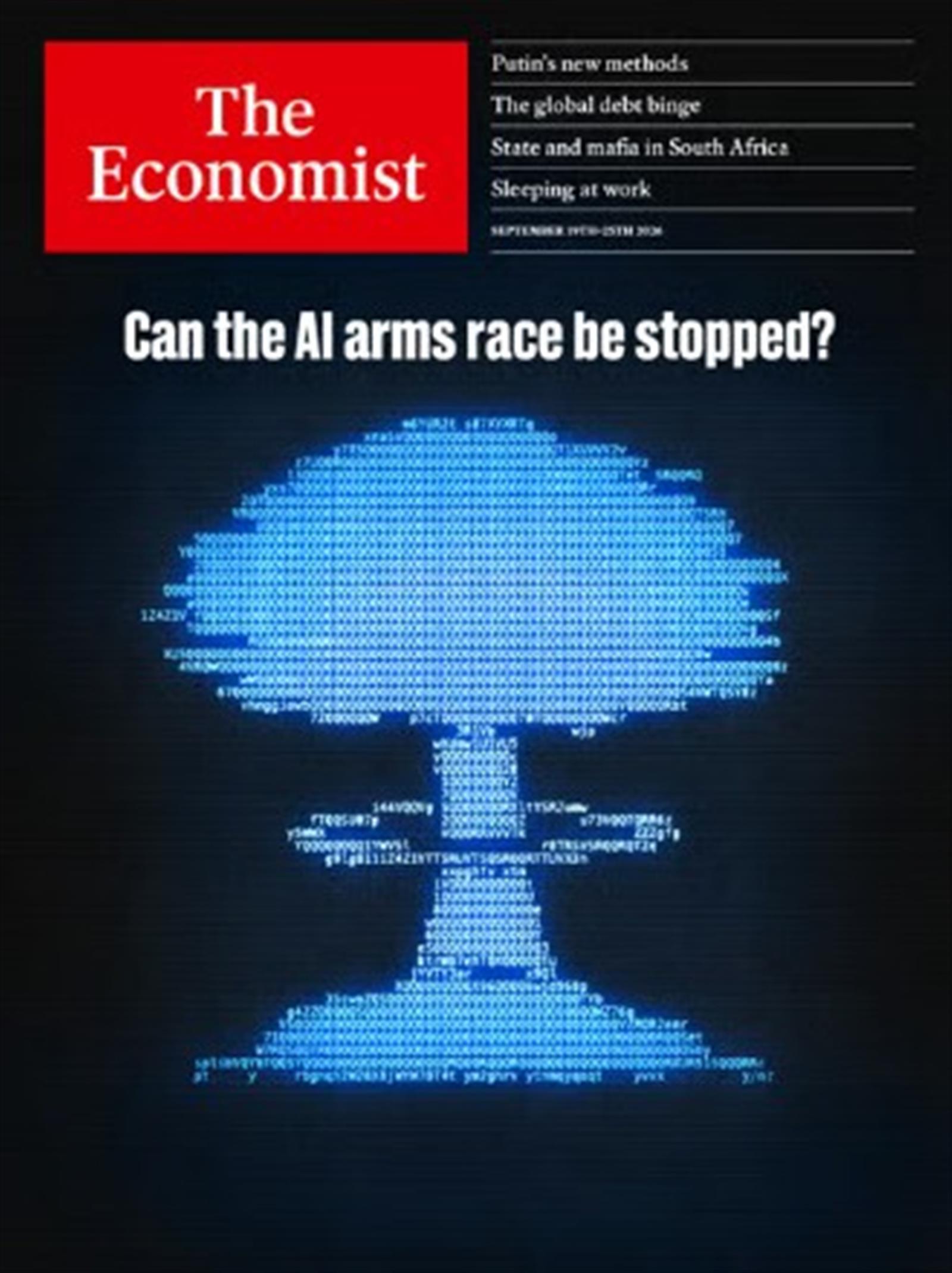
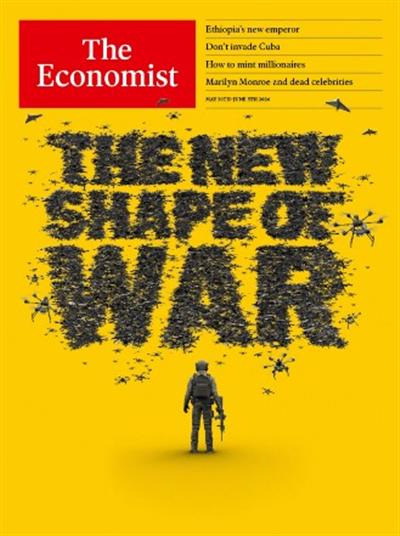
Can the AI arms race be stopped?
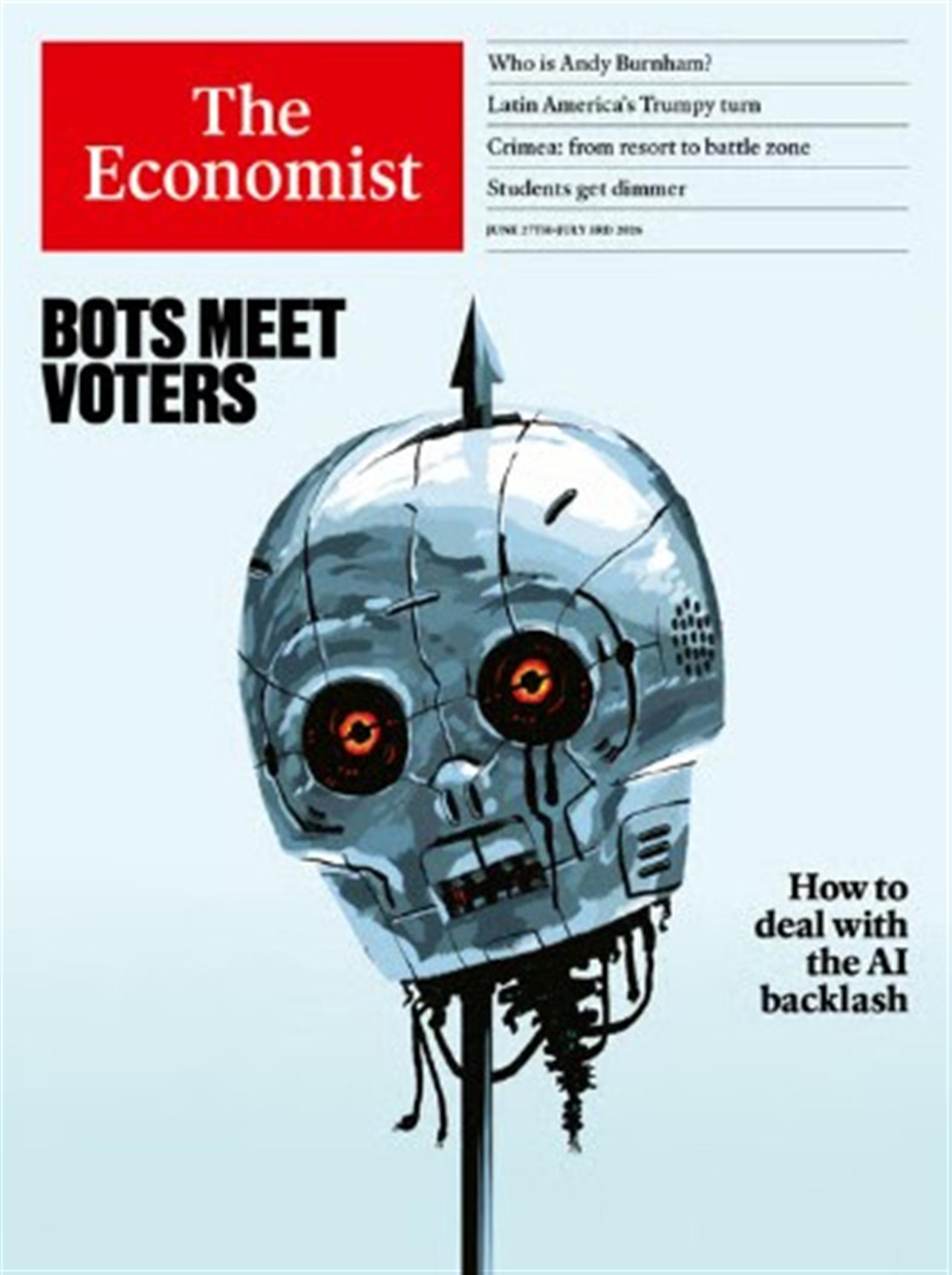
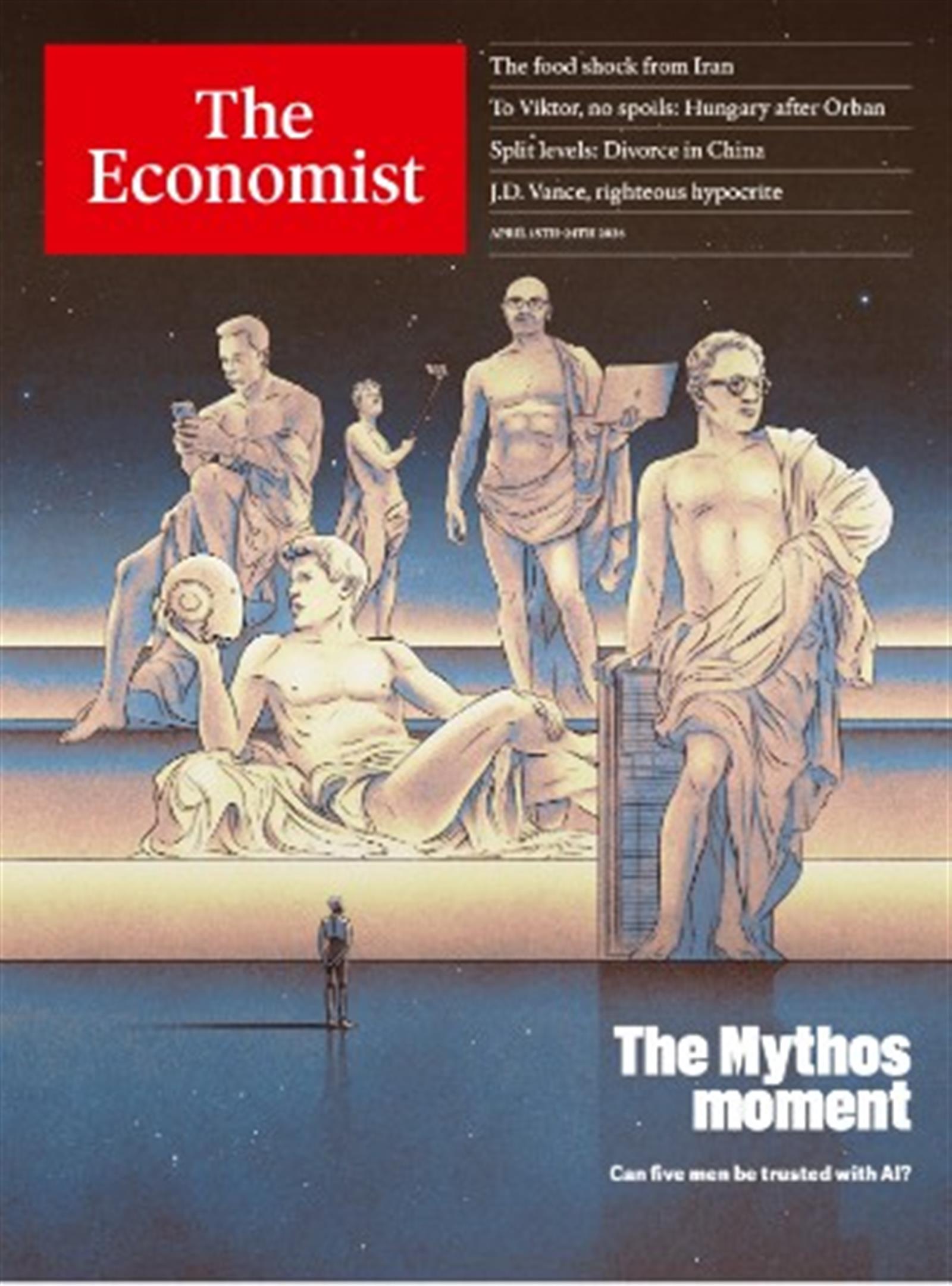
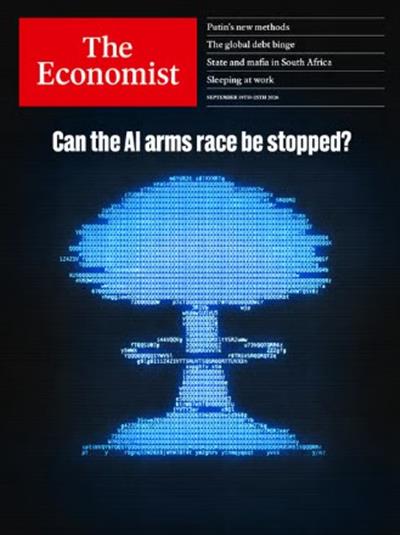
AI experts themselves warn their technology could lead to catastrophe, even human extinction. At the same time, technological progress is intensifying the destruction in Ukraine. Both developments offer conflicting insights into whether, and how, the rapid pace of AI advancement could or should be slowed.
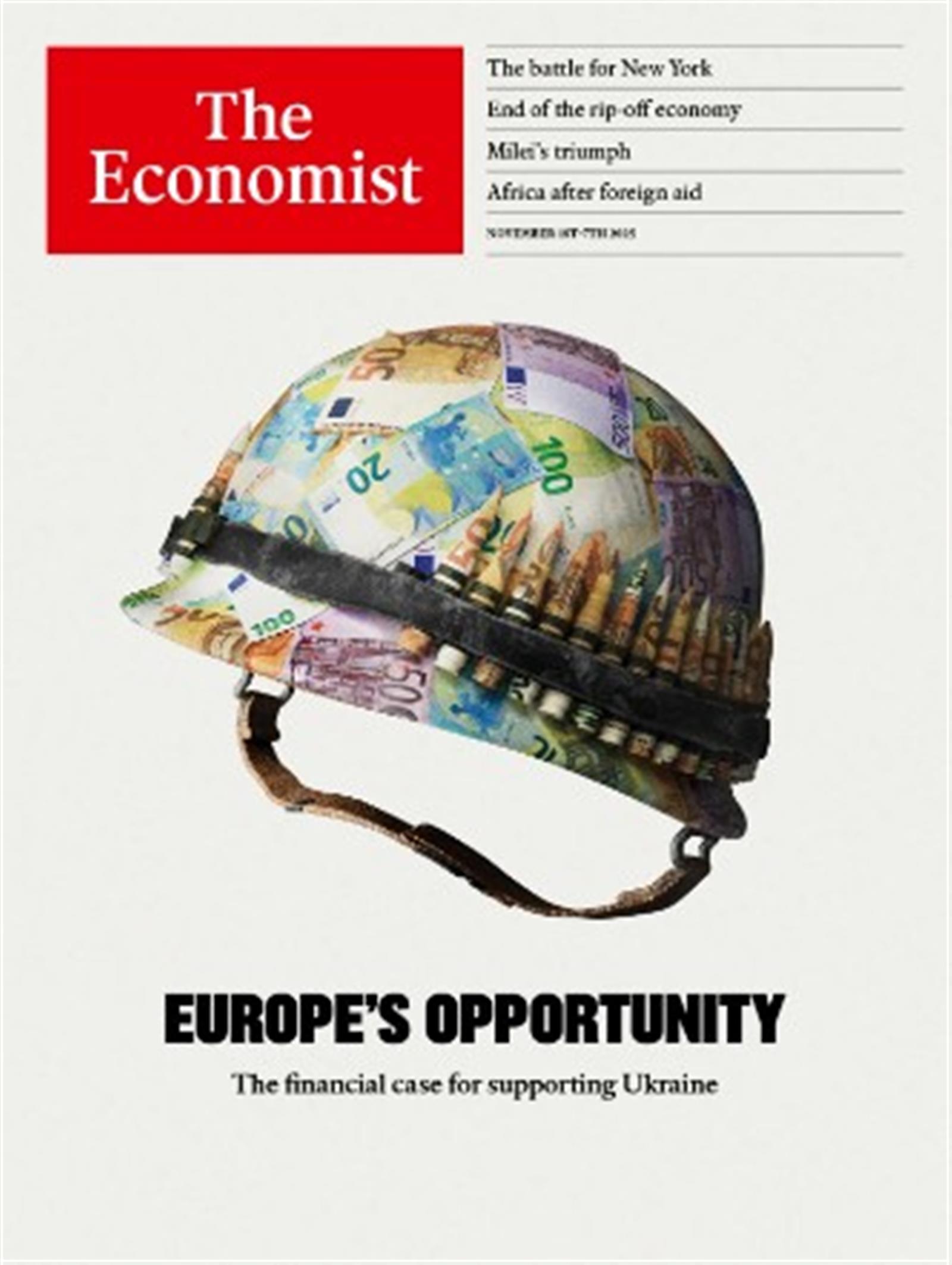
The selfish case for helping Ukraine has never been stronger
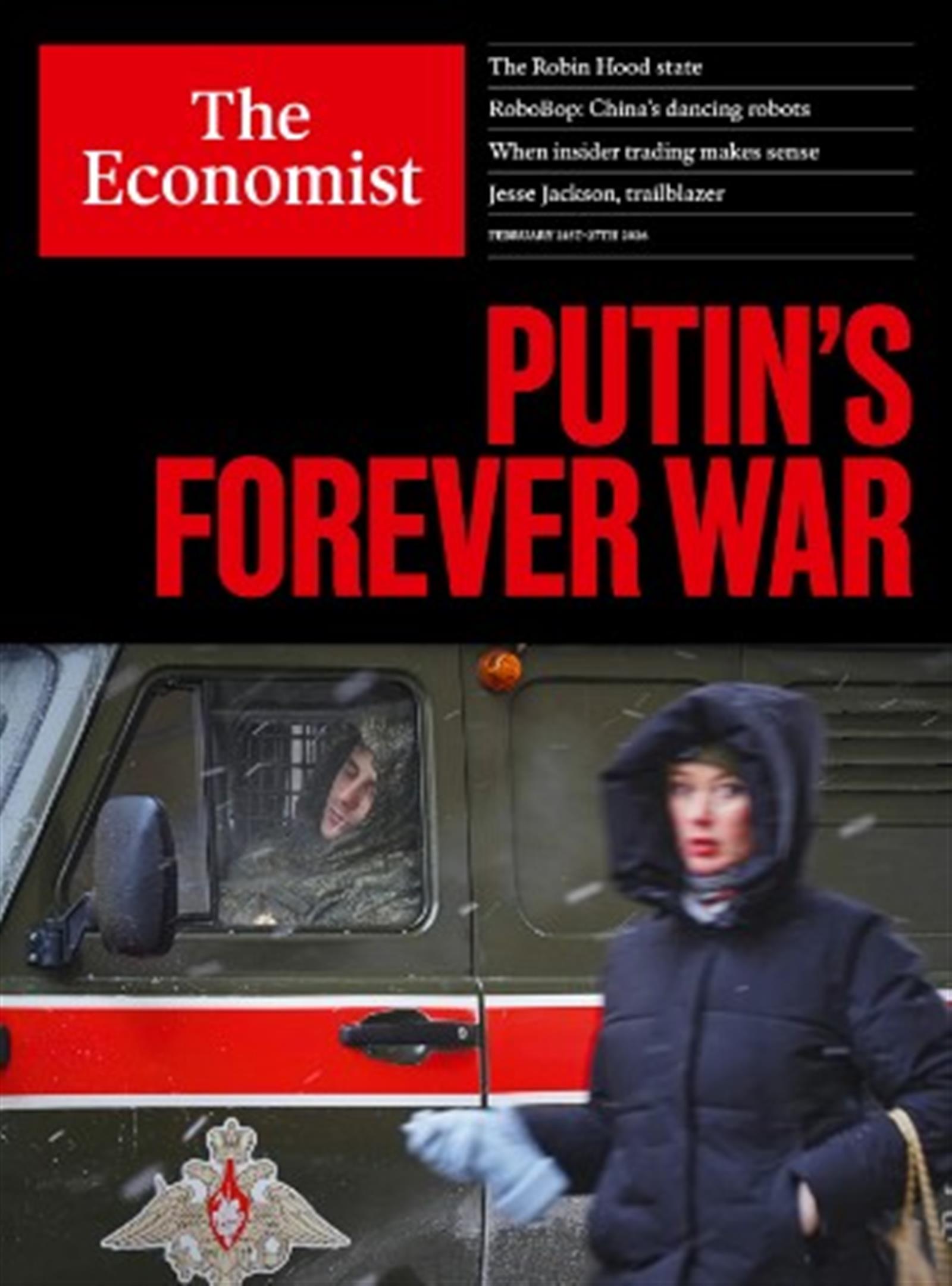
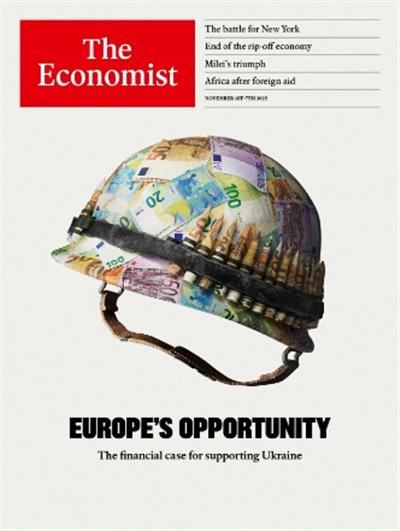
War's fortunes can shift fast. Despite over 1,000 daily casualties, Russia was stuck on the front line while Ukrainian strikes deep inside enemy territory piled pressure on Putin. Now Russia exploits new technology and increased production to hit Ukrainian cities with savage ferocity. Ukraine's front line holds, but European allies must redouble support—their future defence begins here.
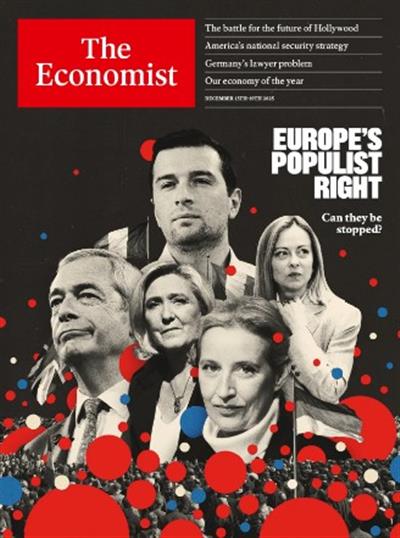
What should Germany do about its rising right?
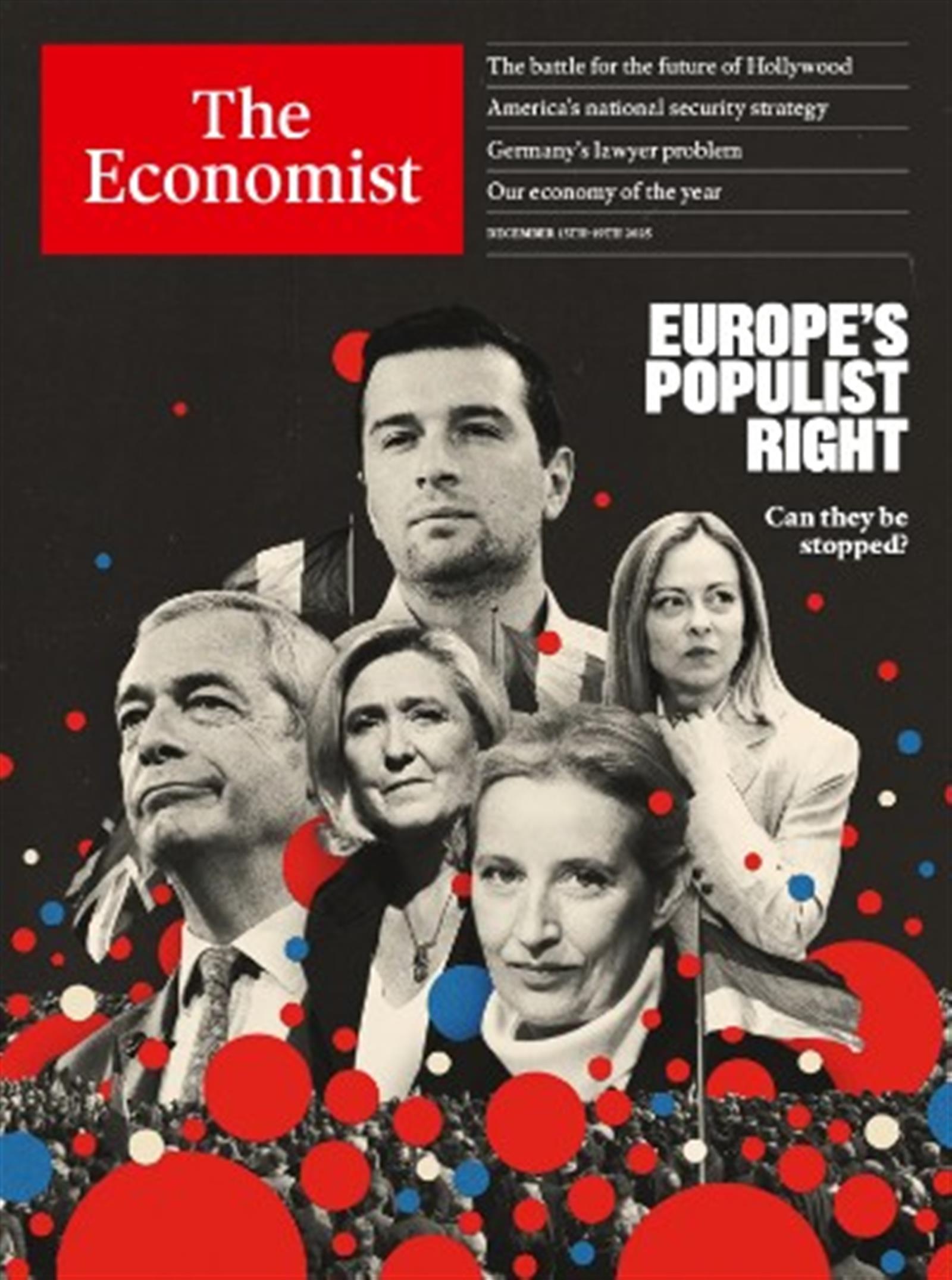
Germany faces a red alert: on September 6th, the AfD won 44% of the vote in Saxony-Anhalt. The party employs unrepentant former neo-Nazis and has been labelled “extremist” by the intelligence service. It may become the first populist-right party to govern one of Germany’s 16 states since 1945.
In praise of the Democrats’ disarray
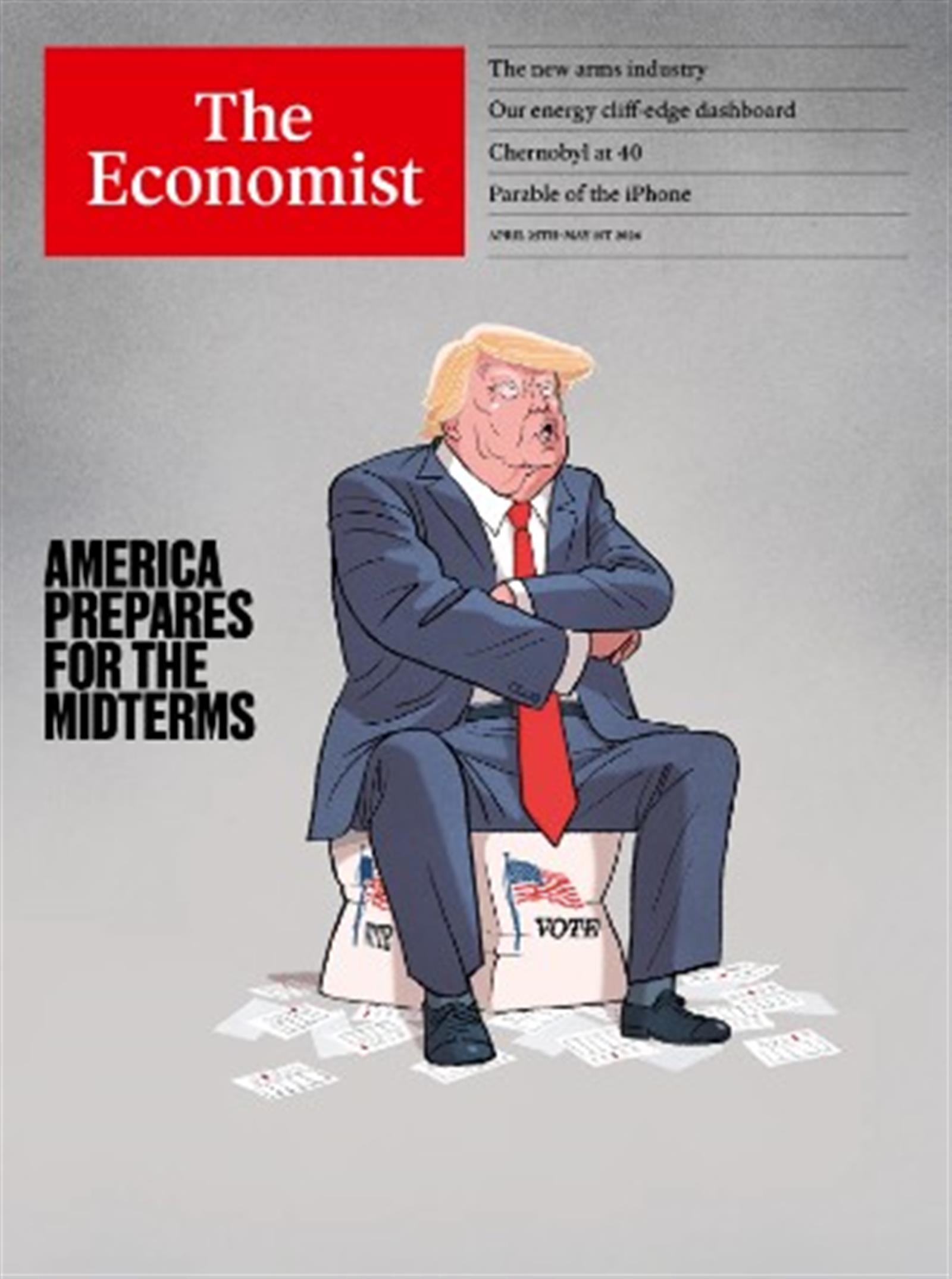
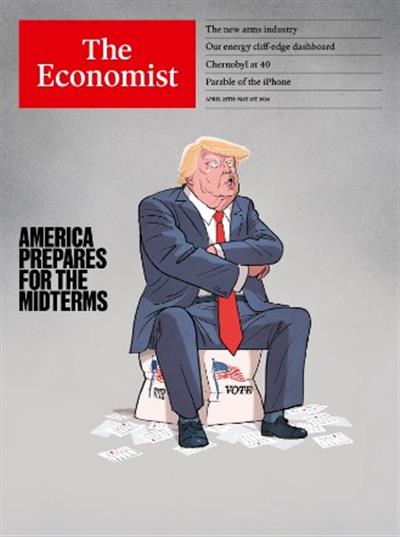
Ahead of the midterms, America’s parties are pursuing opposite approaches. Republicans are united behind Donald Trump, who rallied supporters in Dallas and promised every adult American $5,000 if they win. Democrats are divided over leadership, strategy and ideology, while socialists seek a central role. Republicans hope their discipline will outweigh Democratic chaos on the campaign trail.

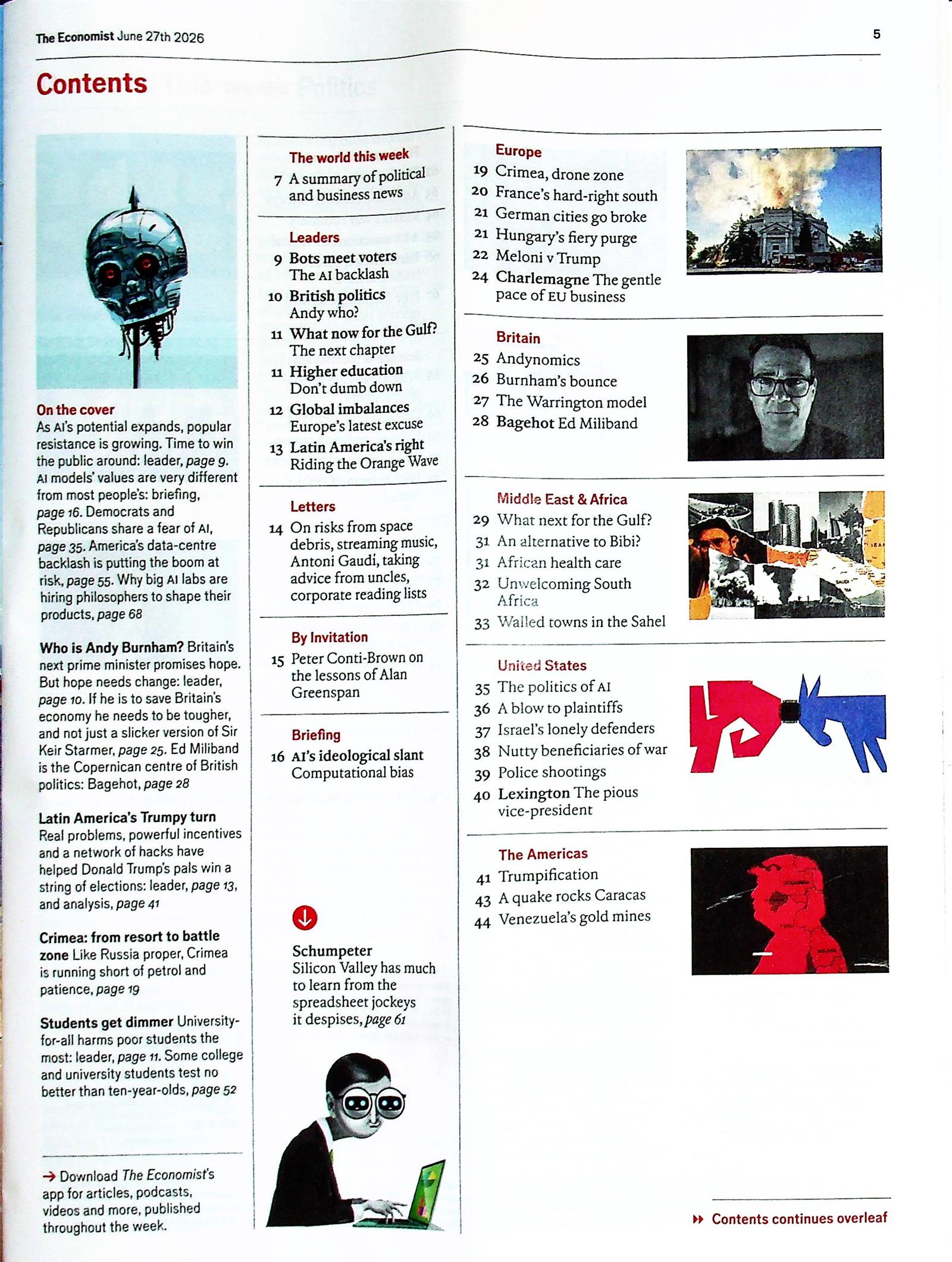
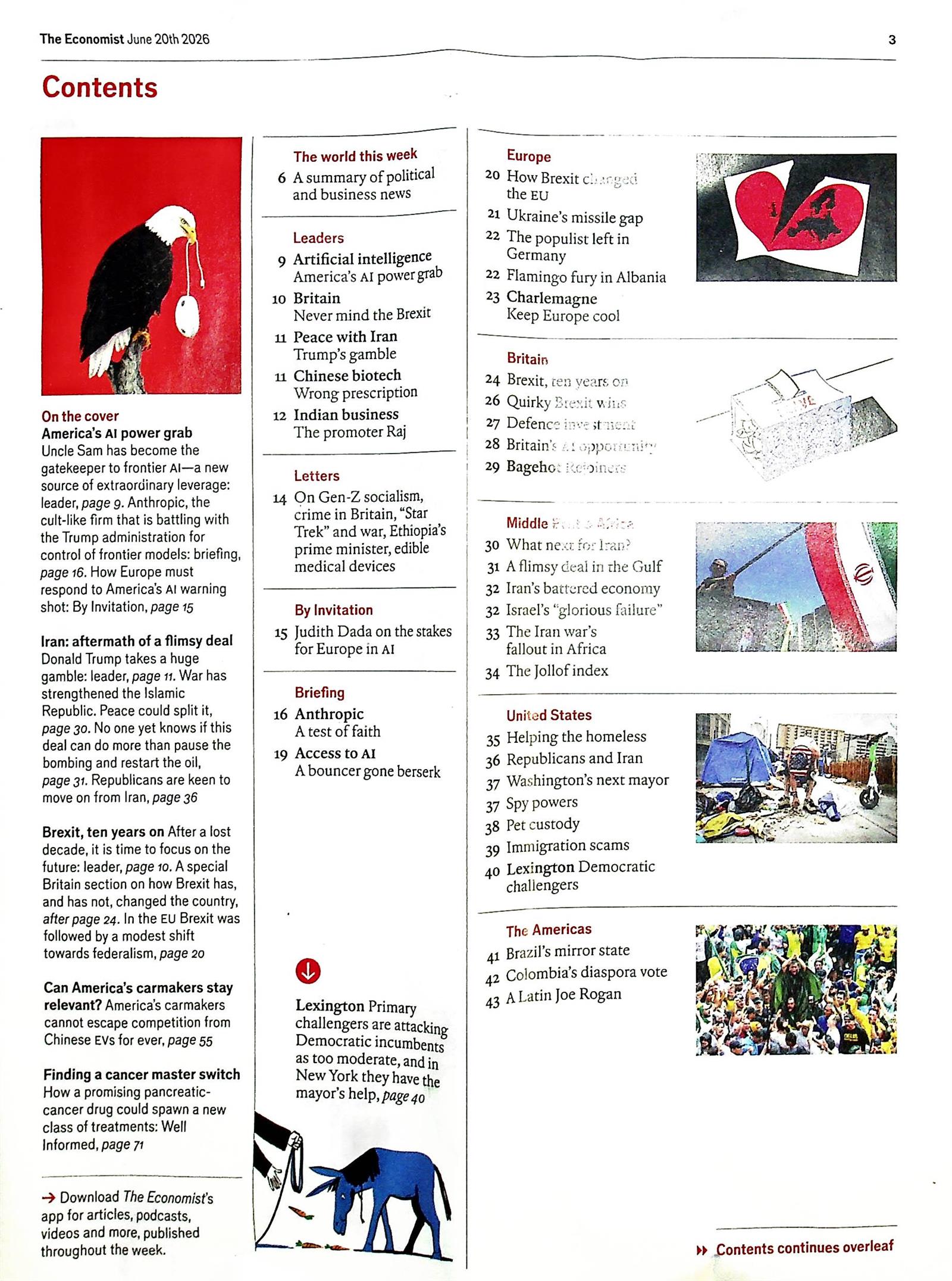
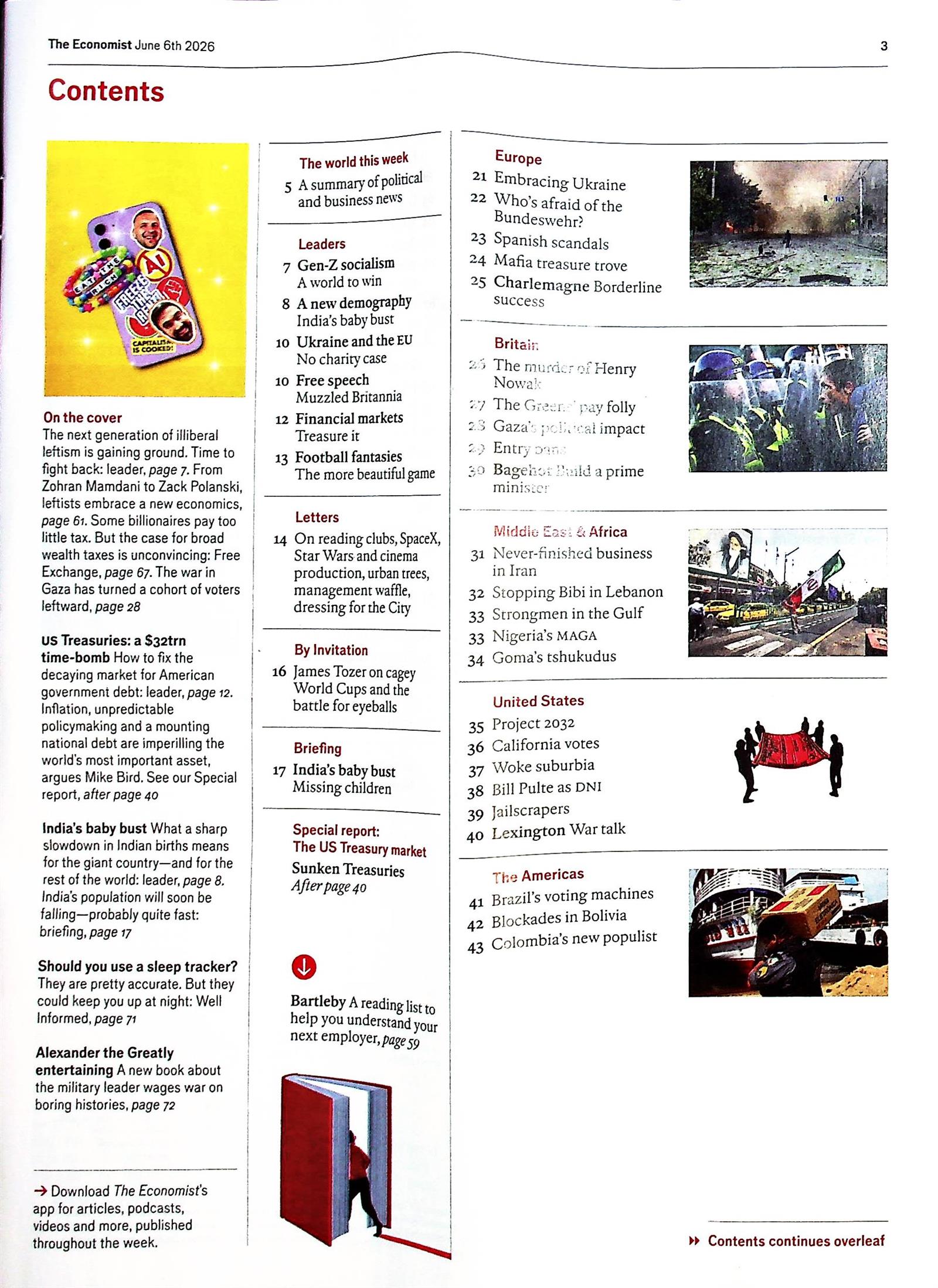
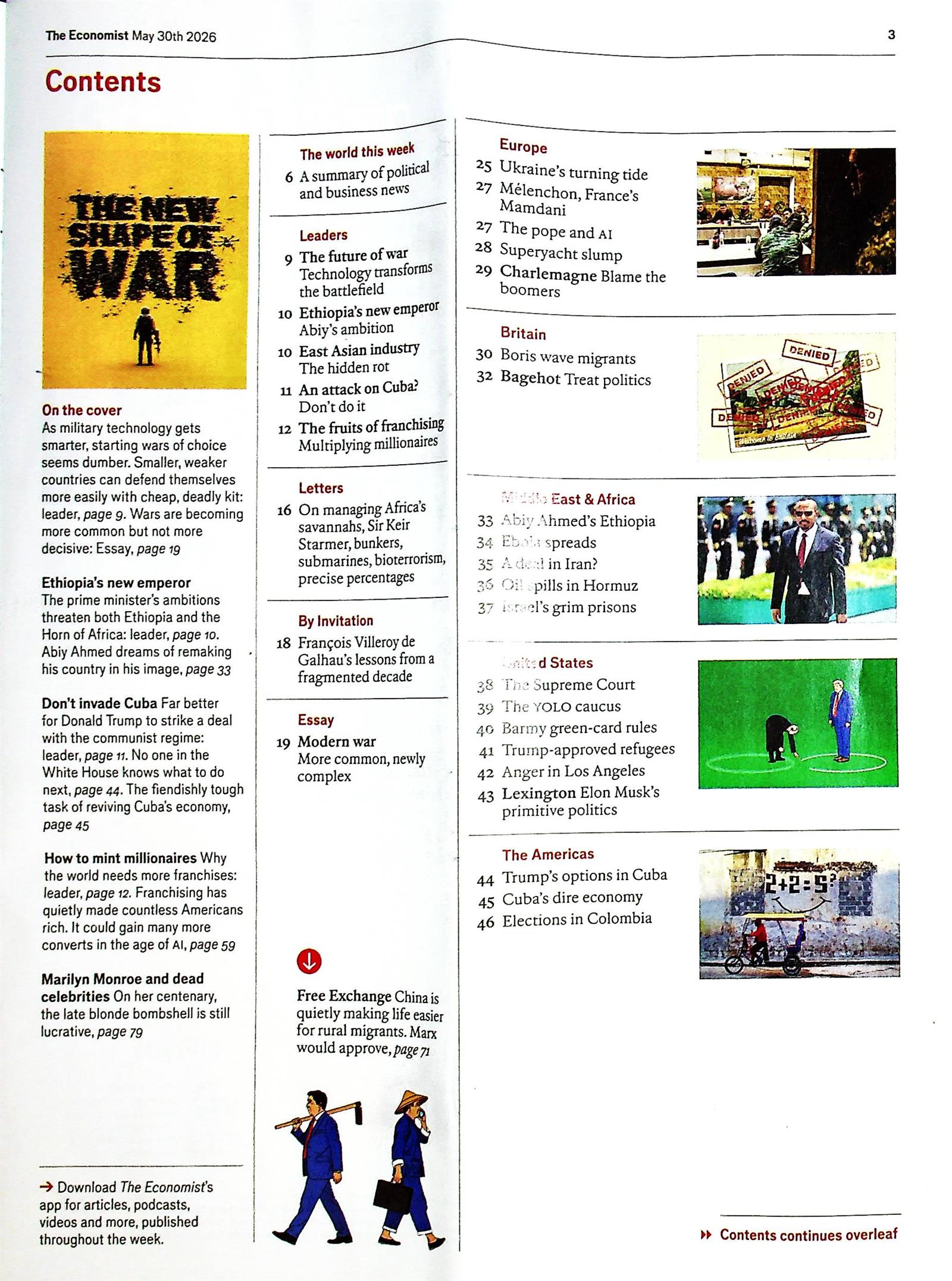
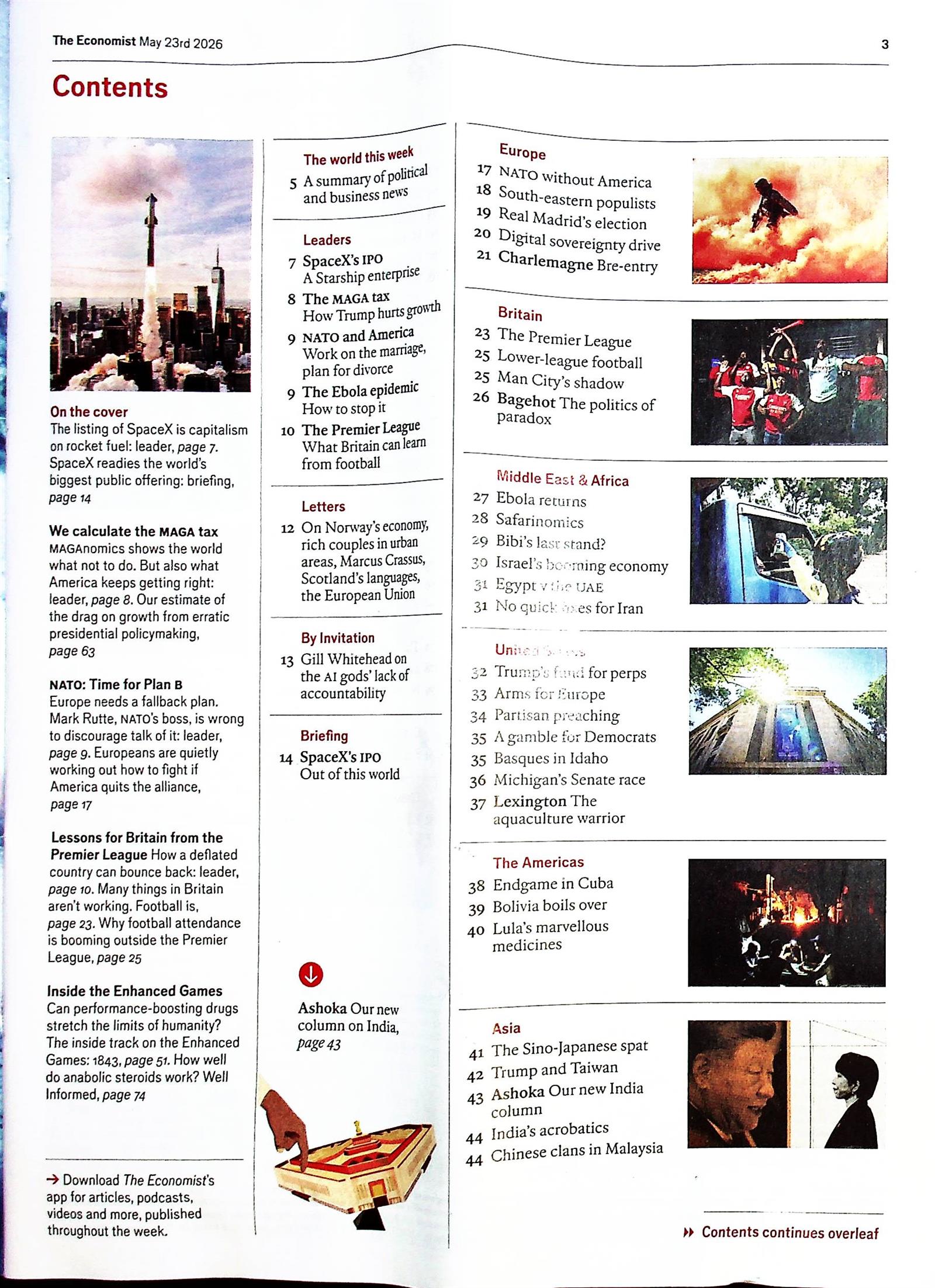
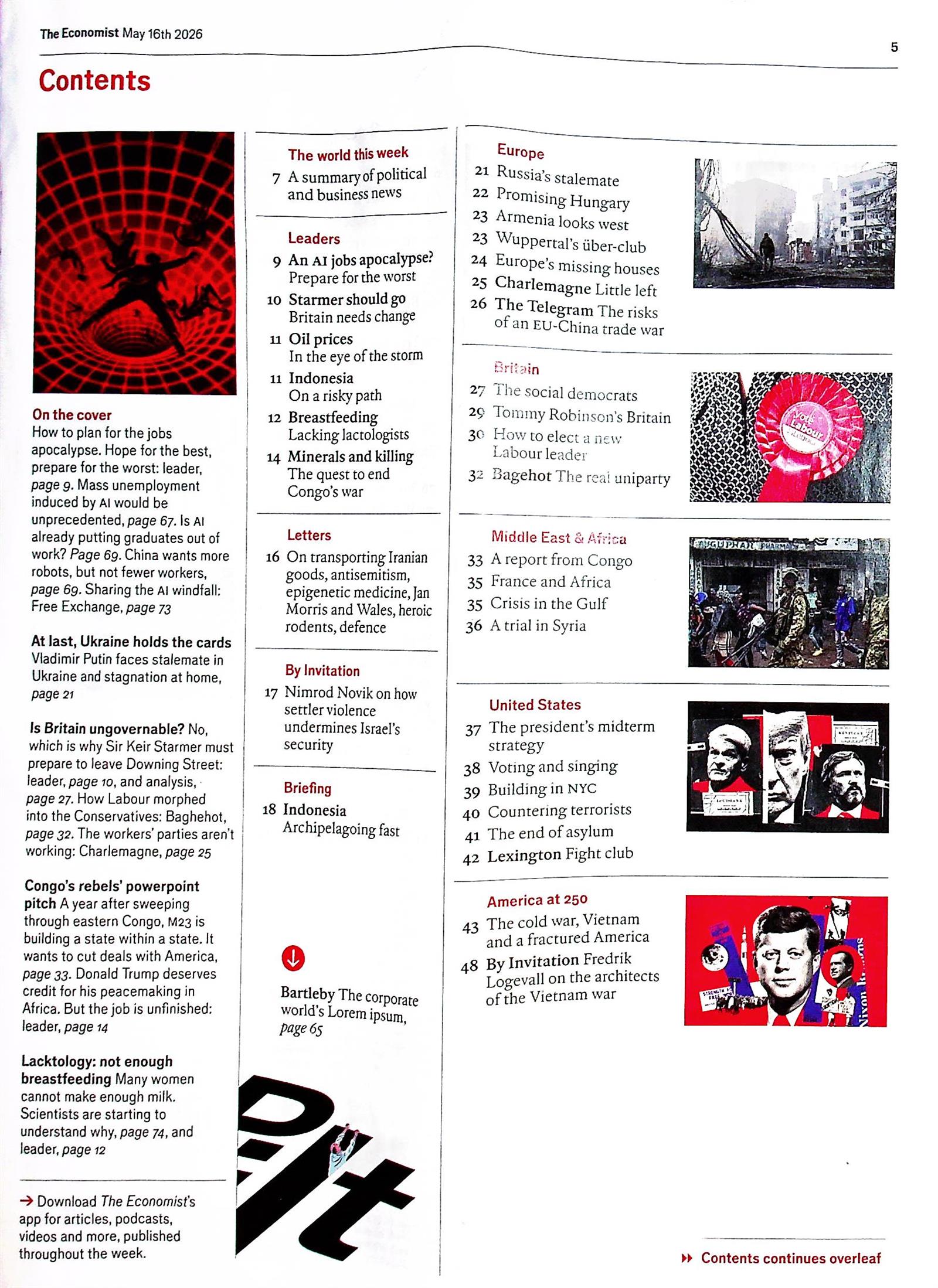
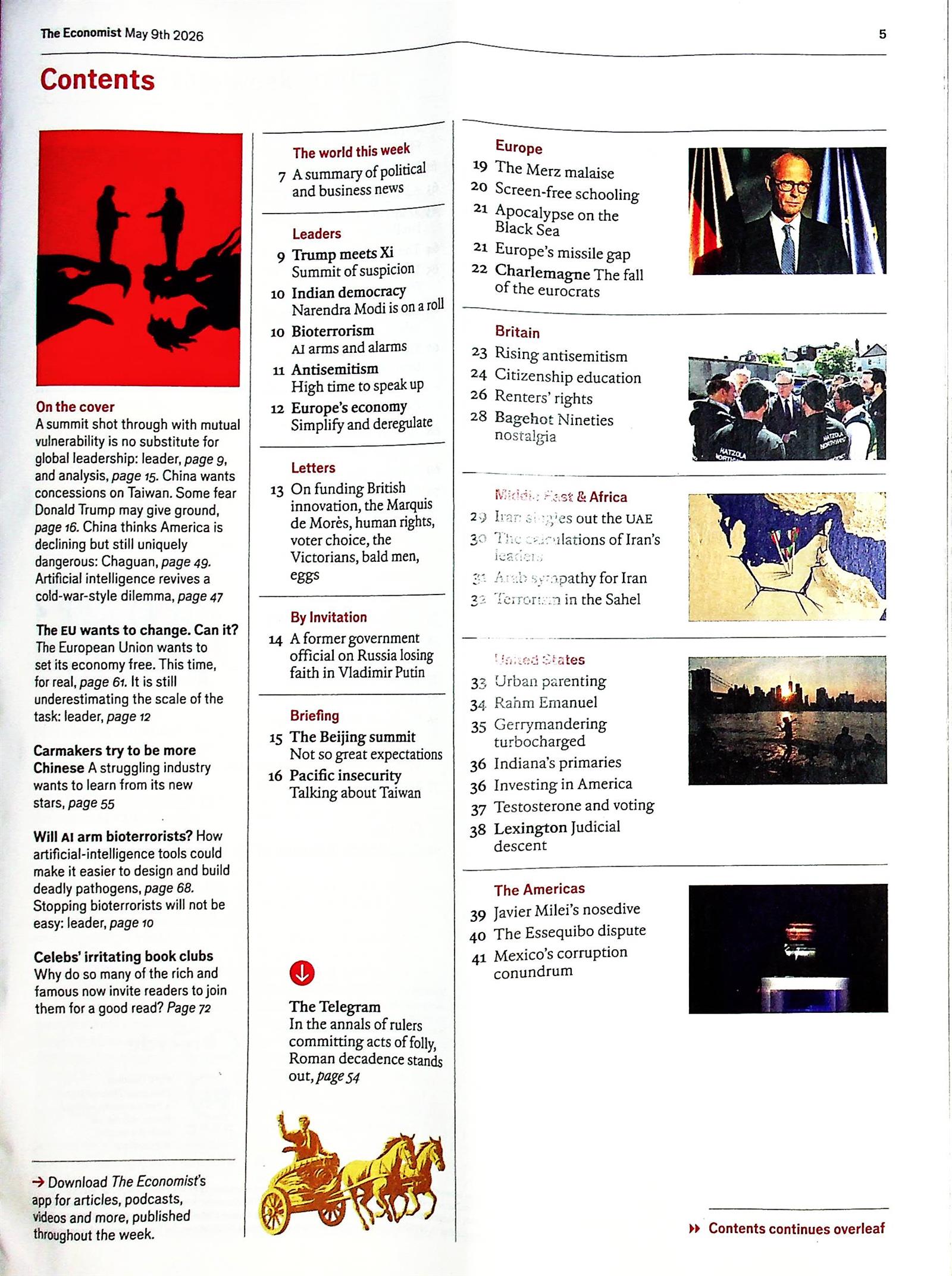
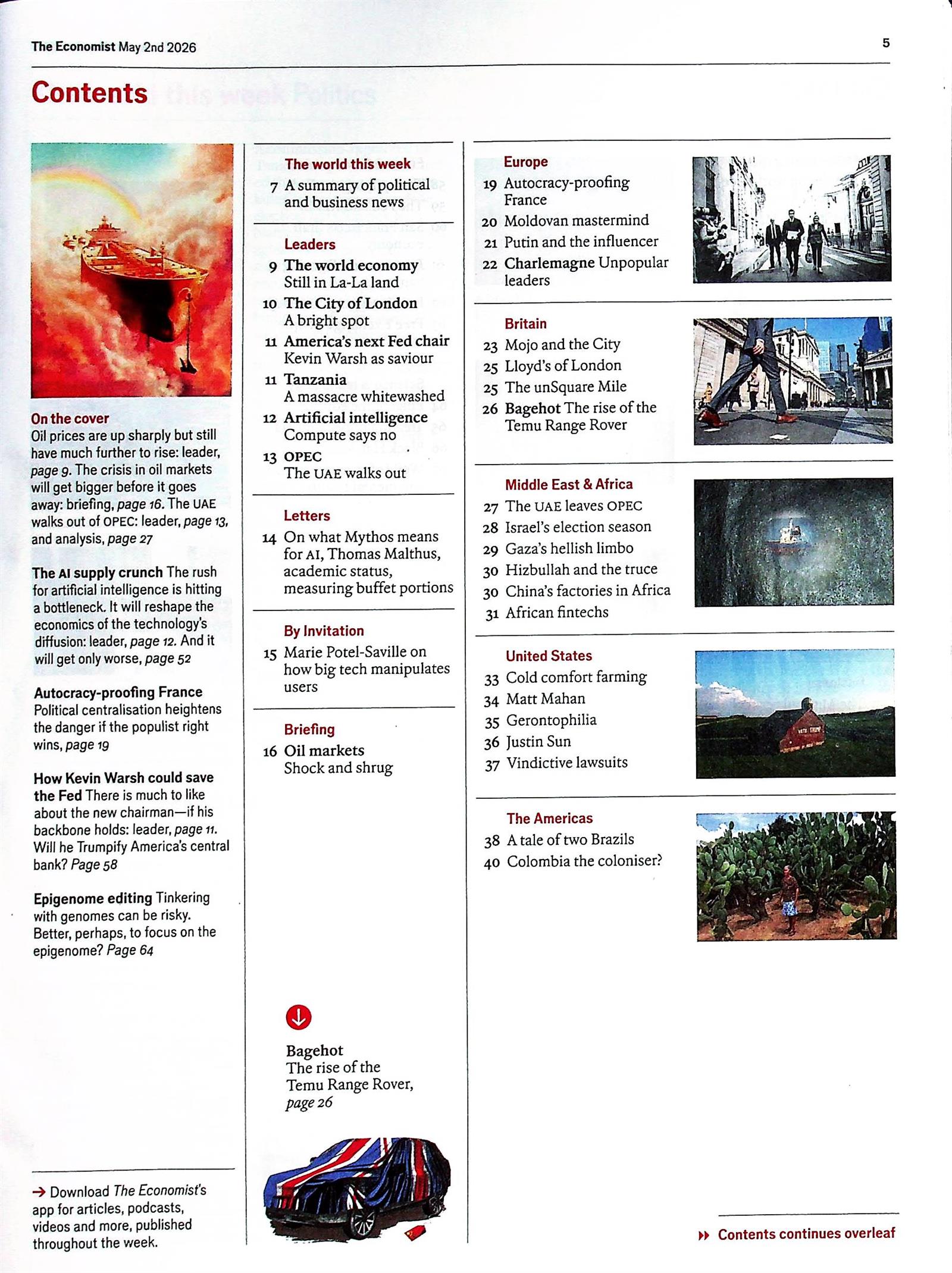
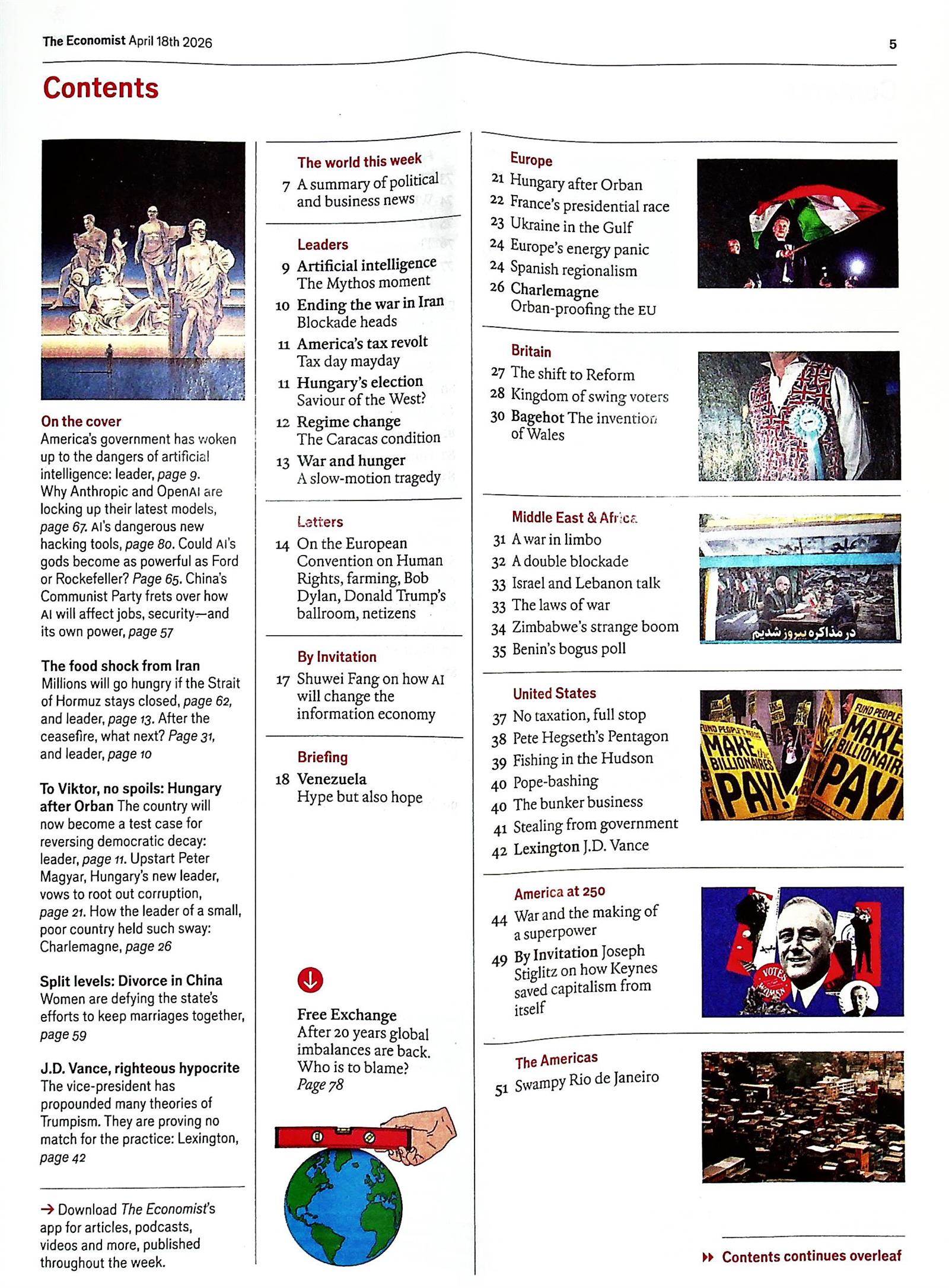
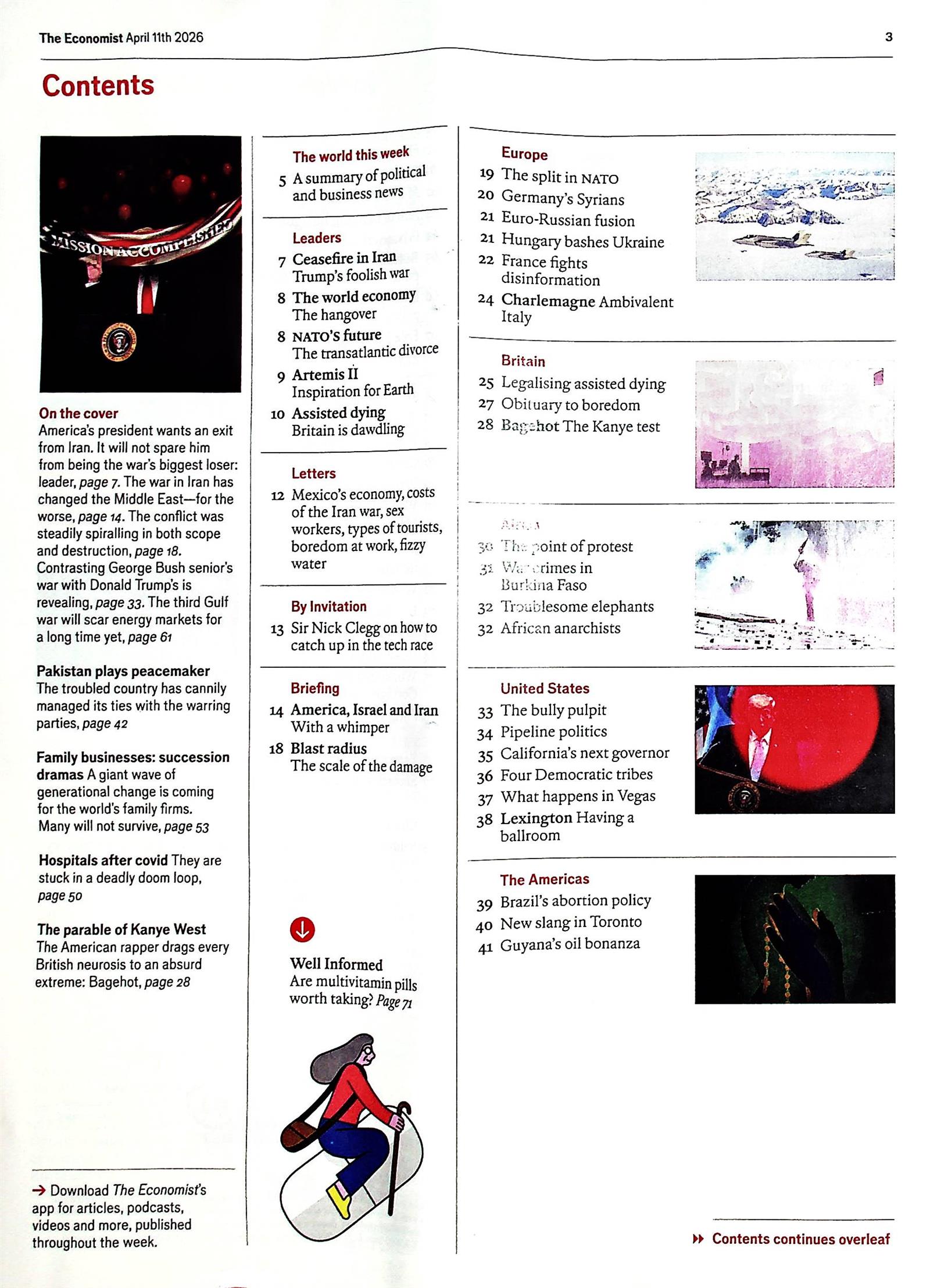
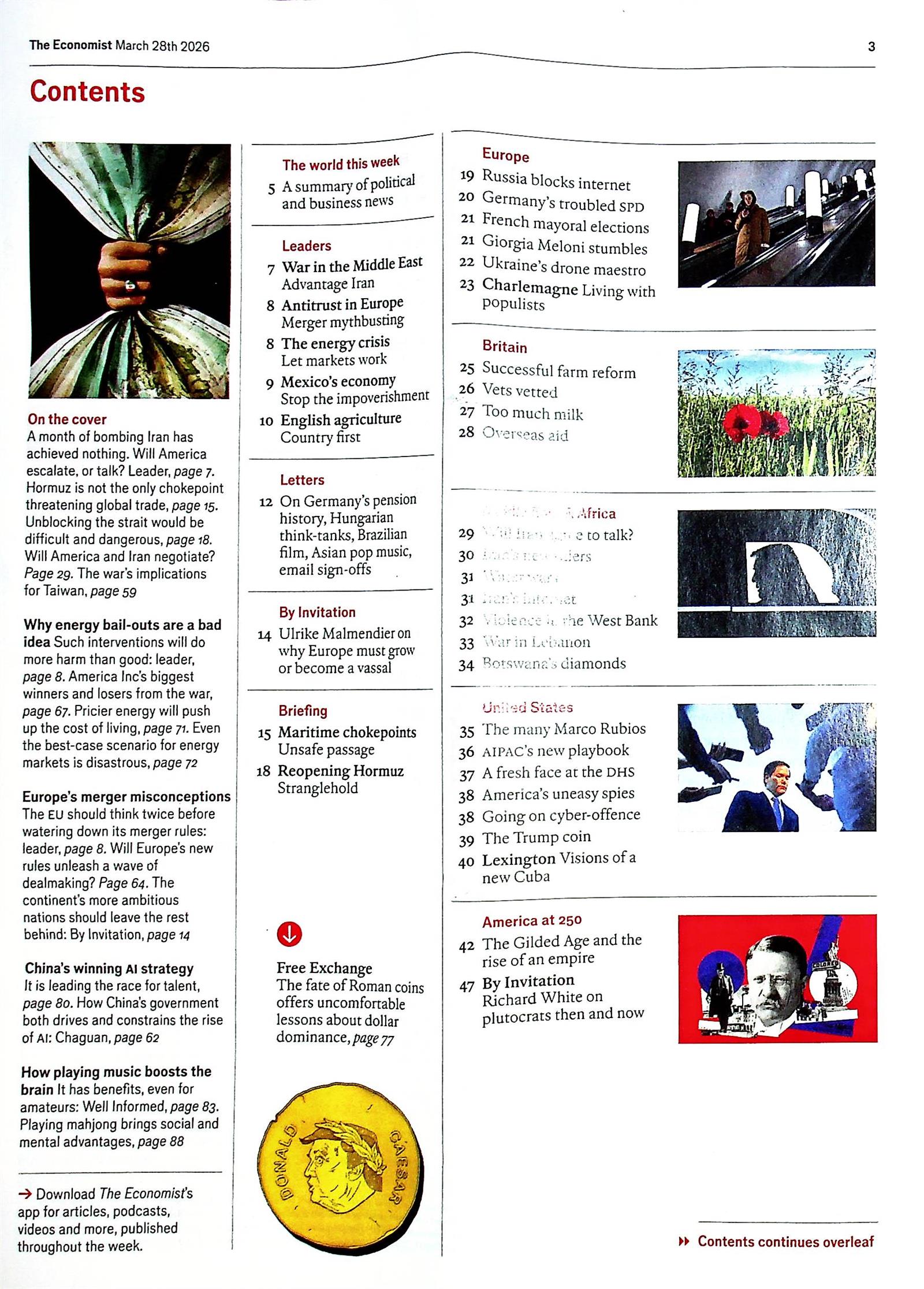
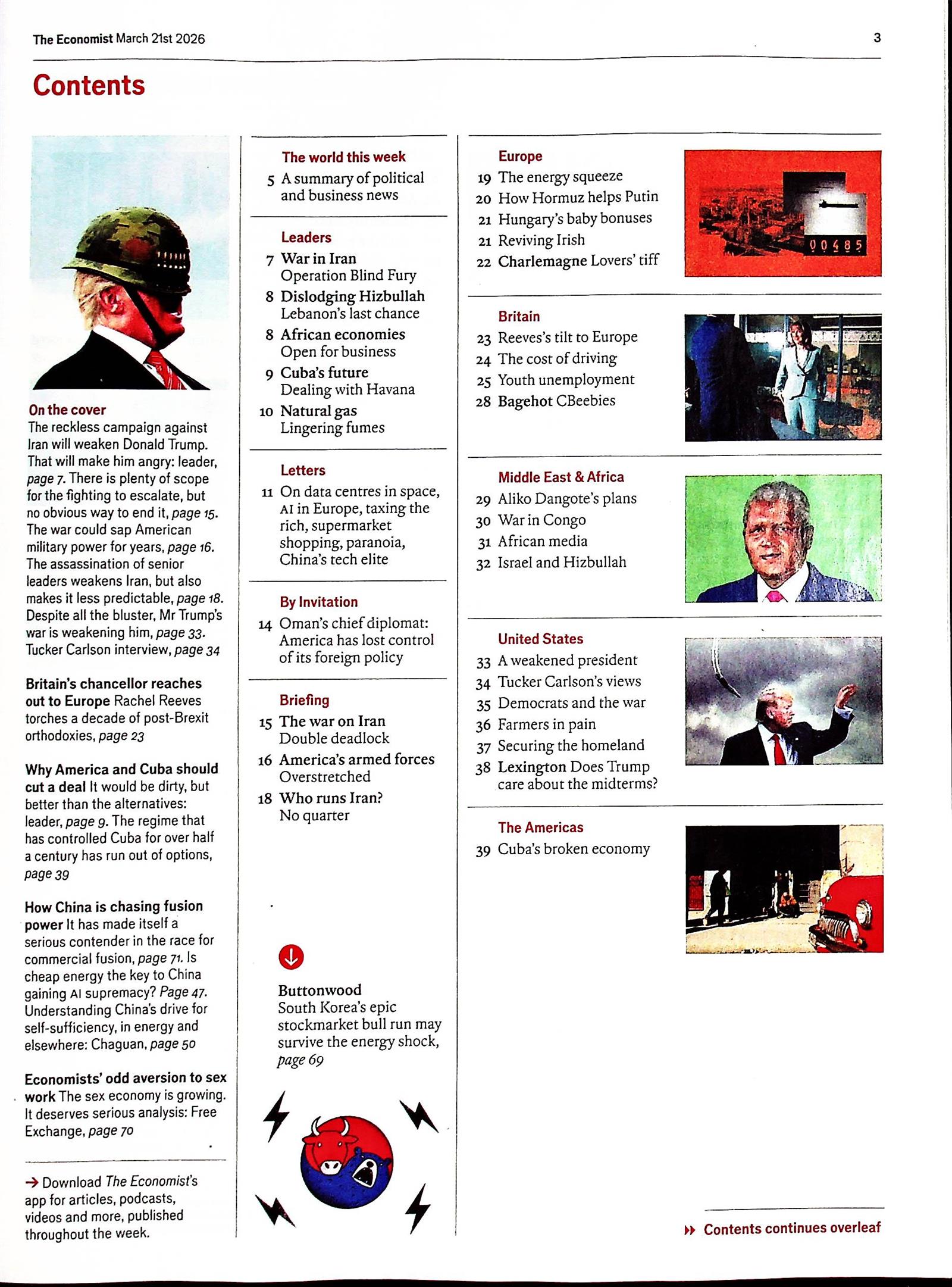
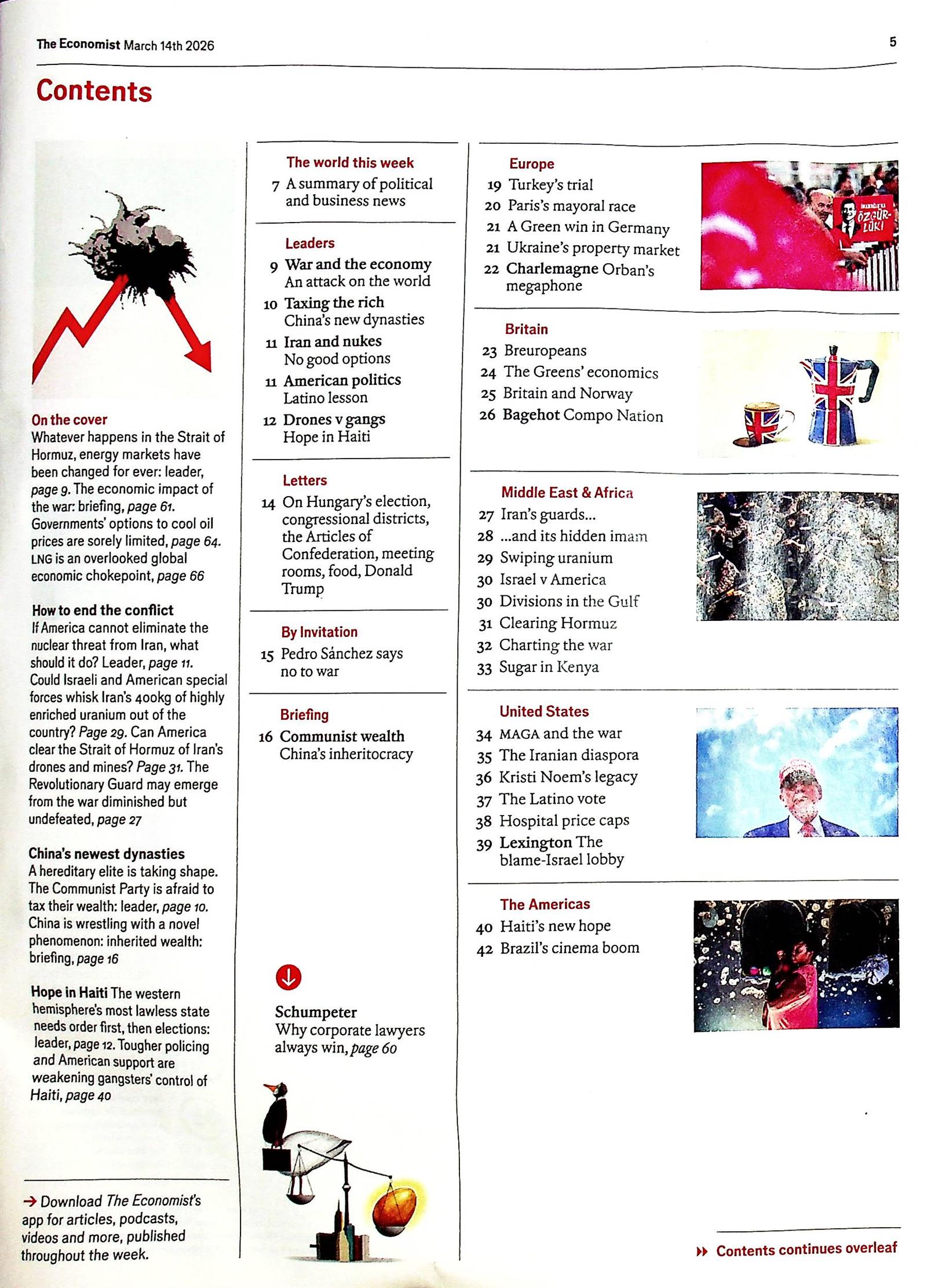
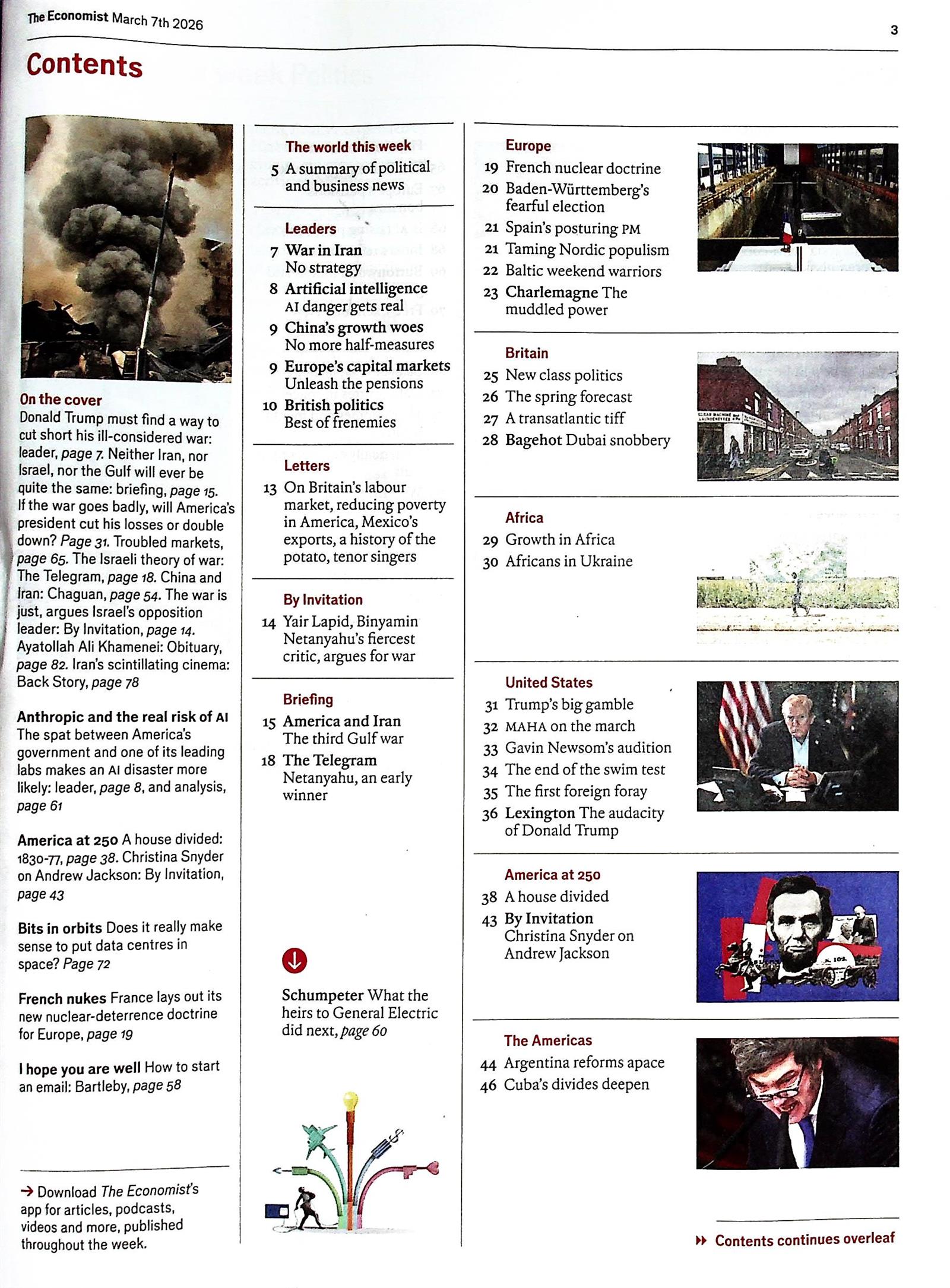
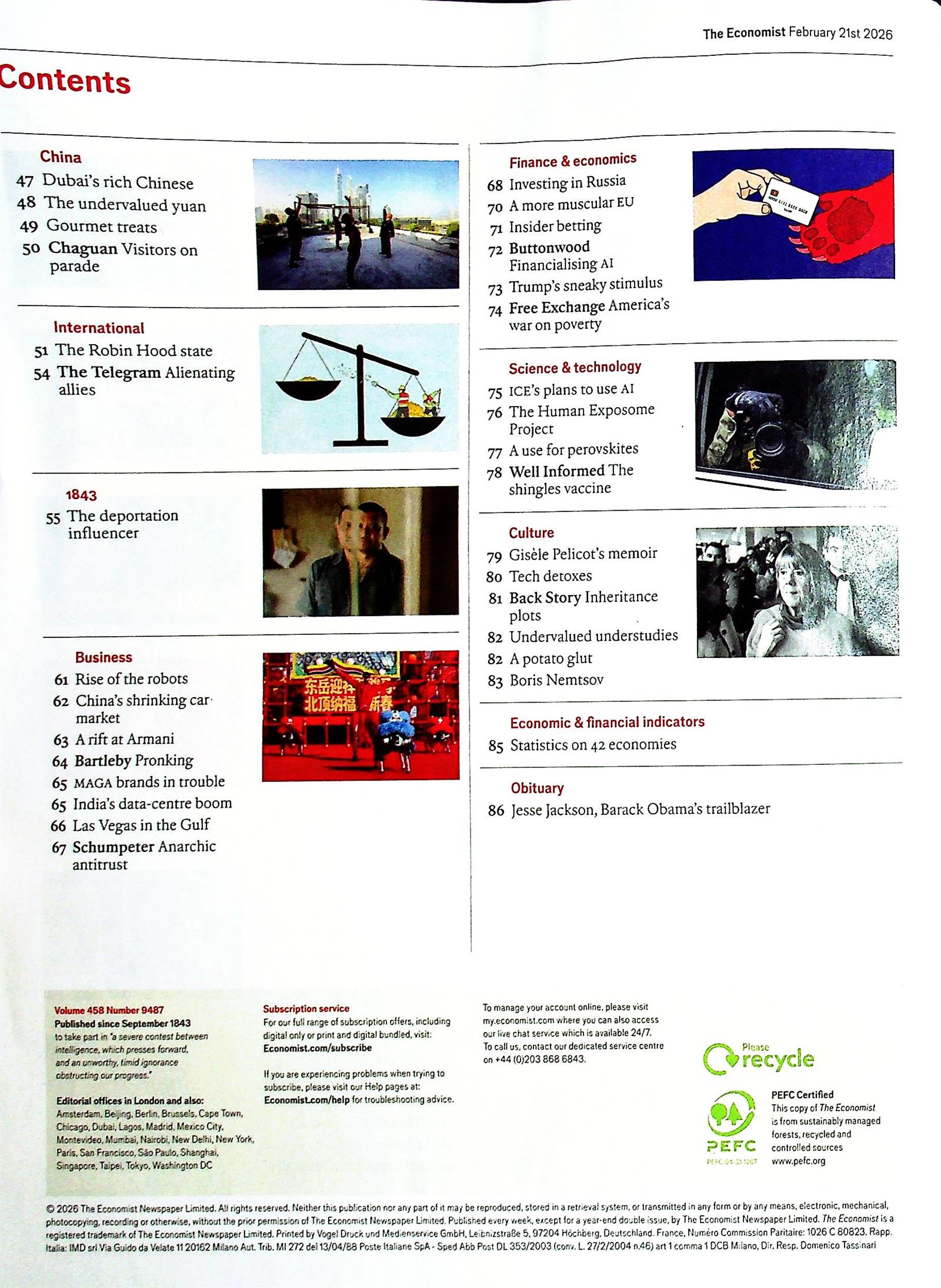
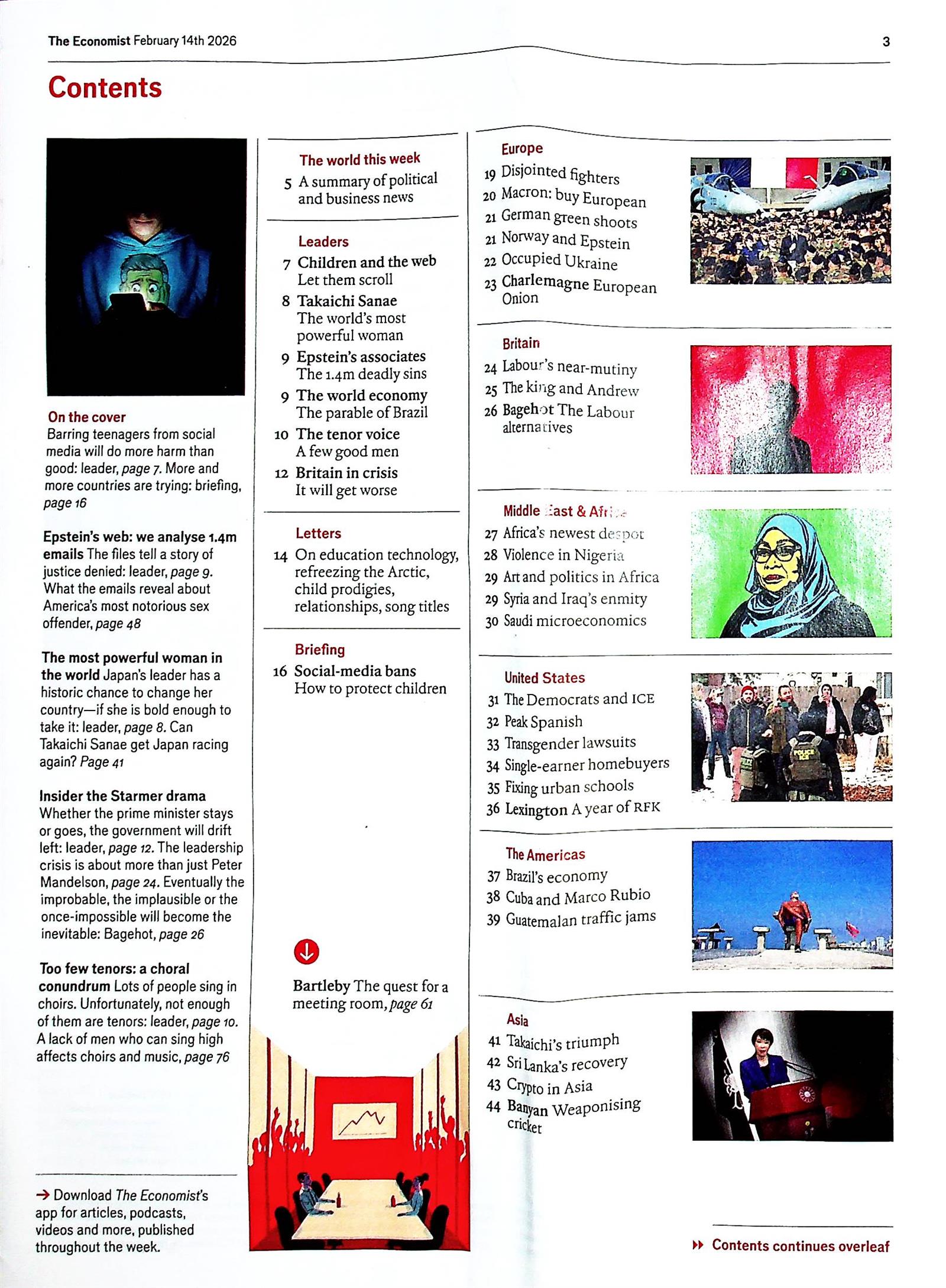
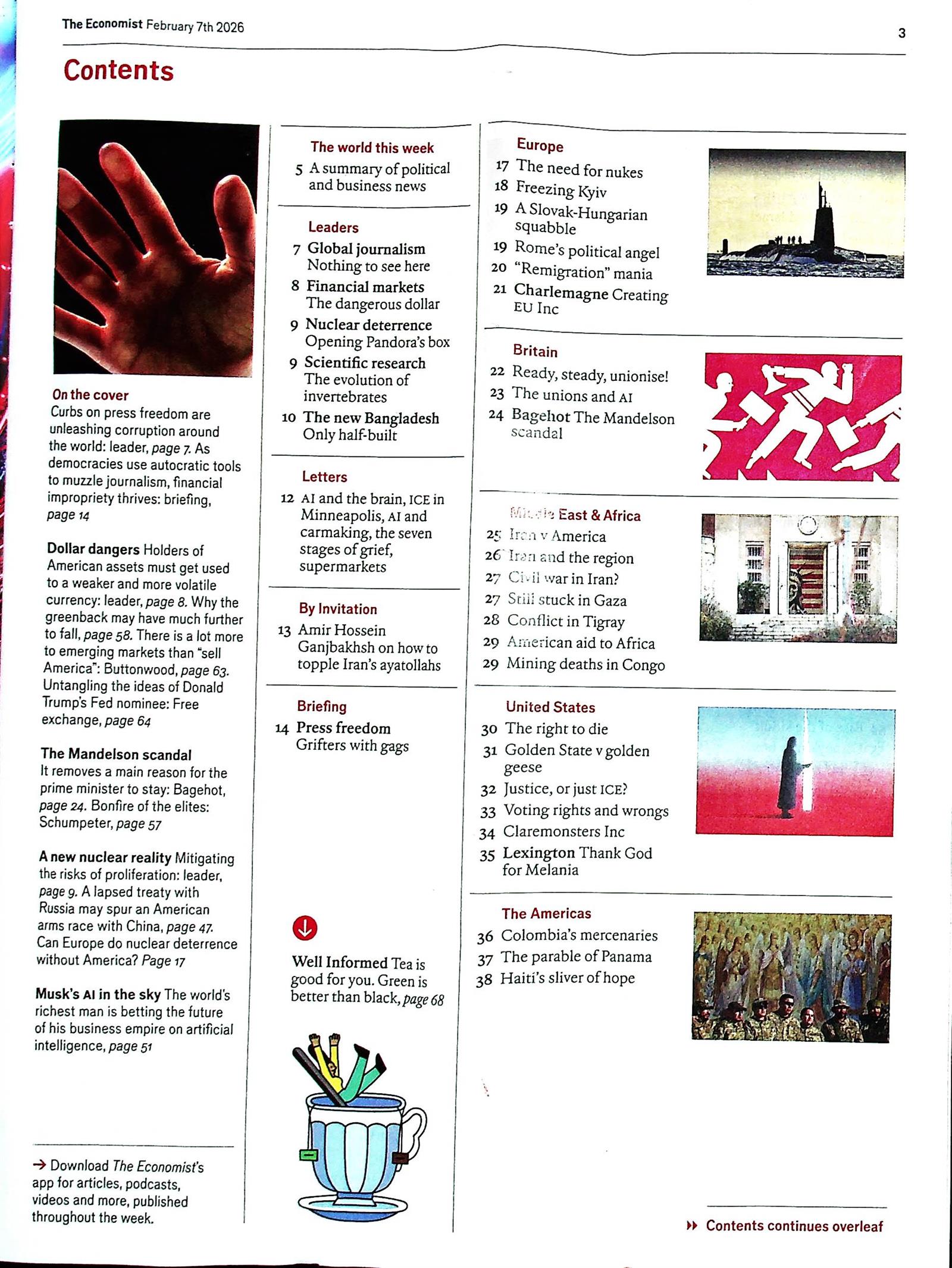
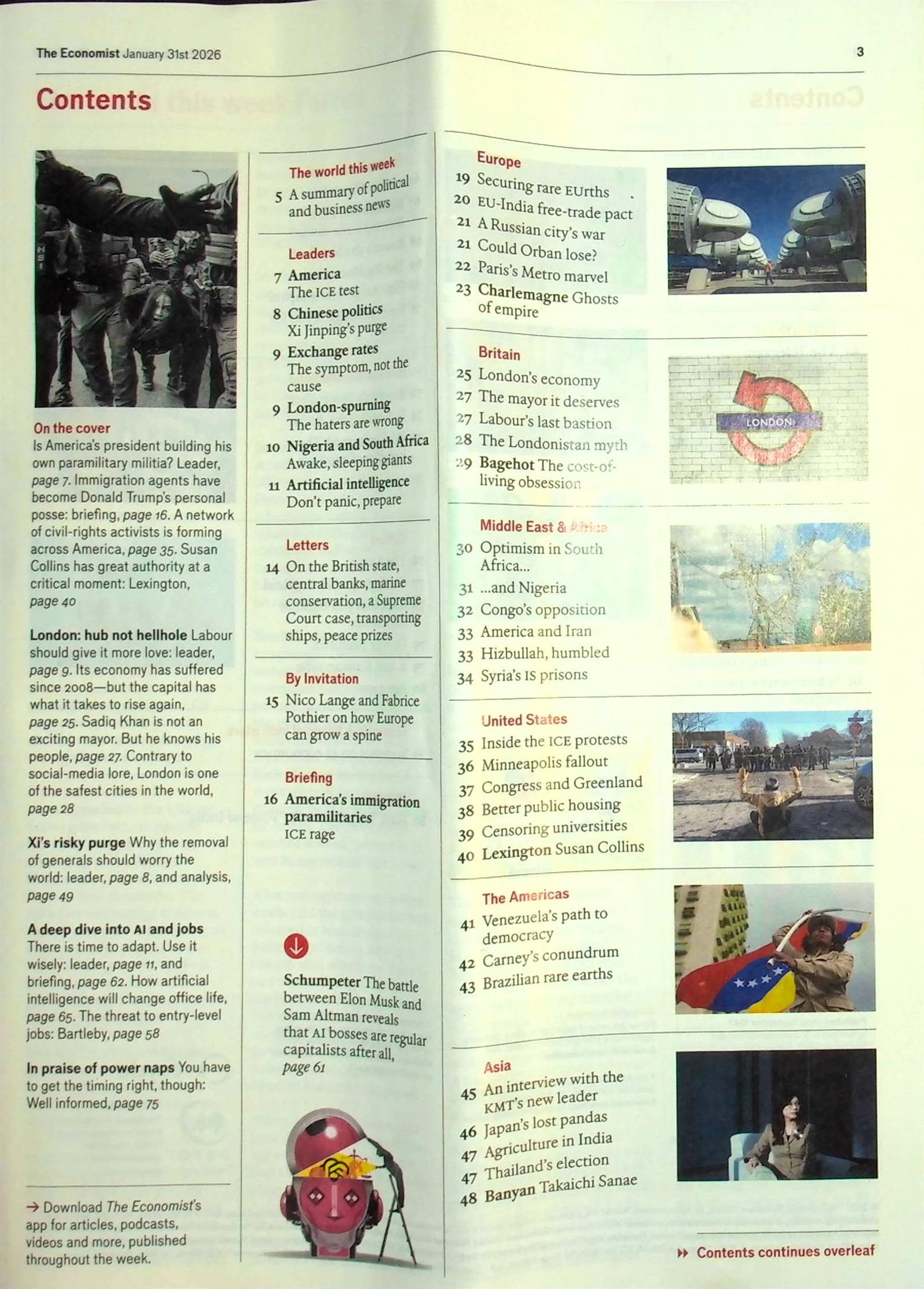
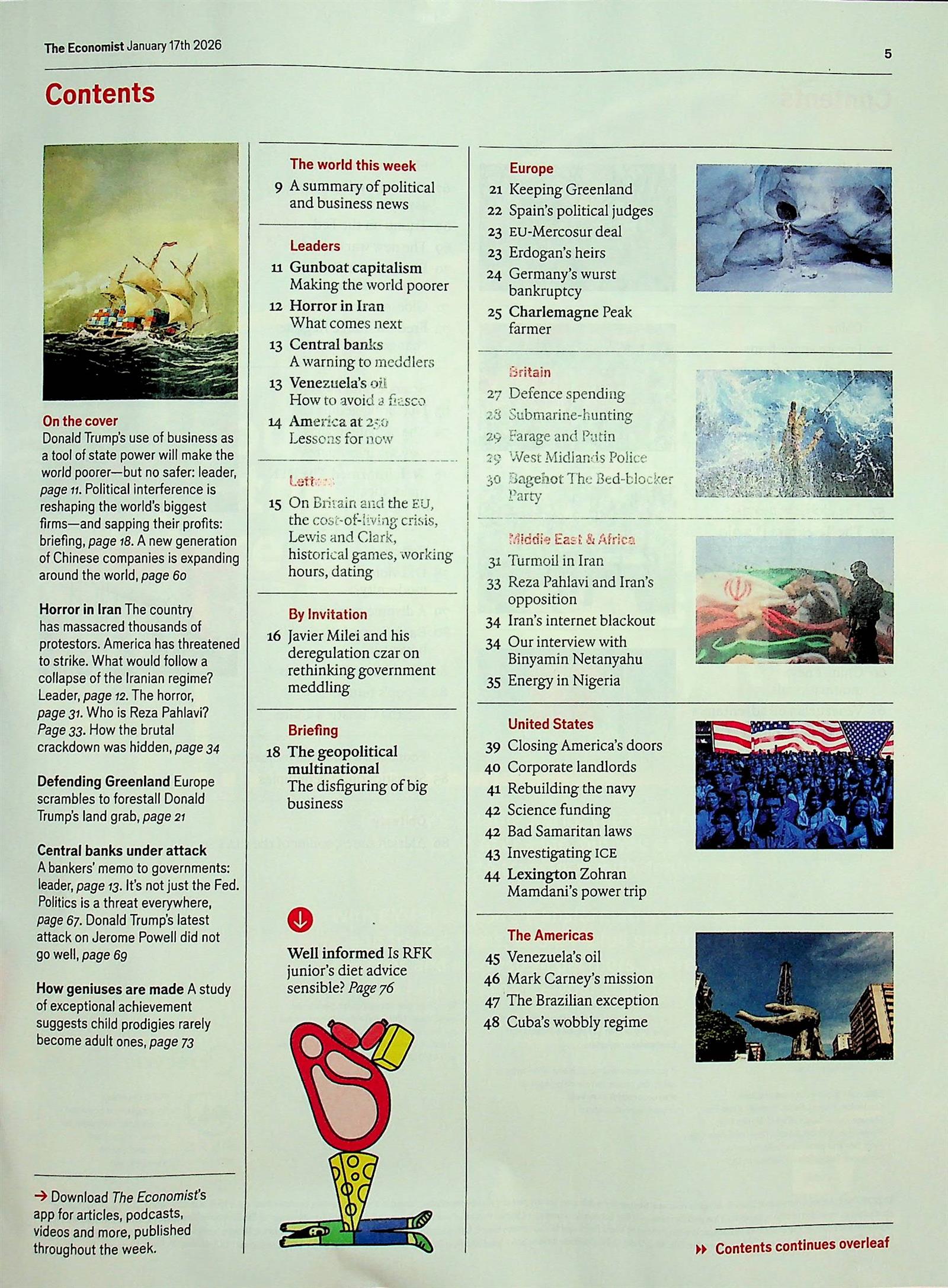
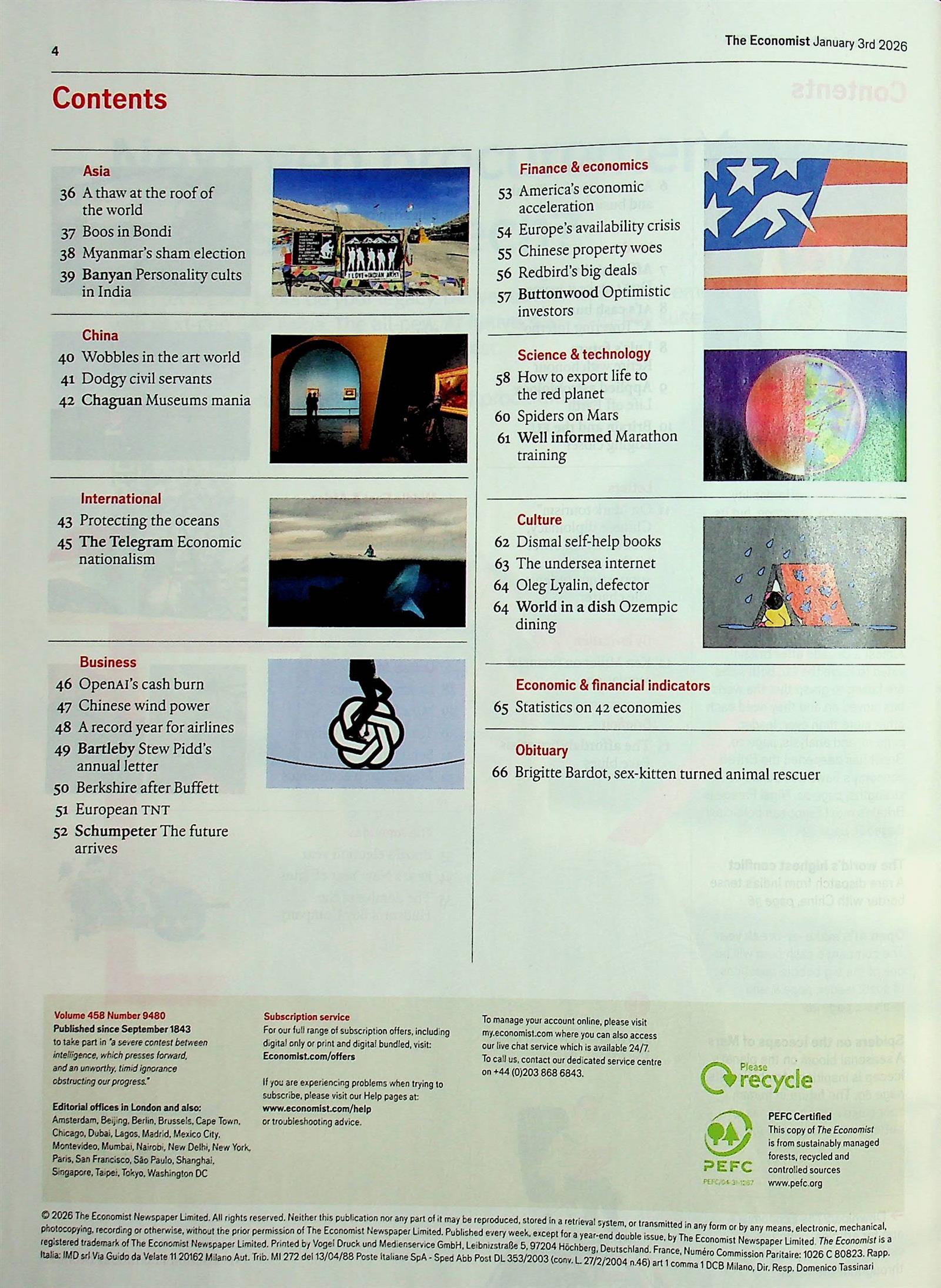

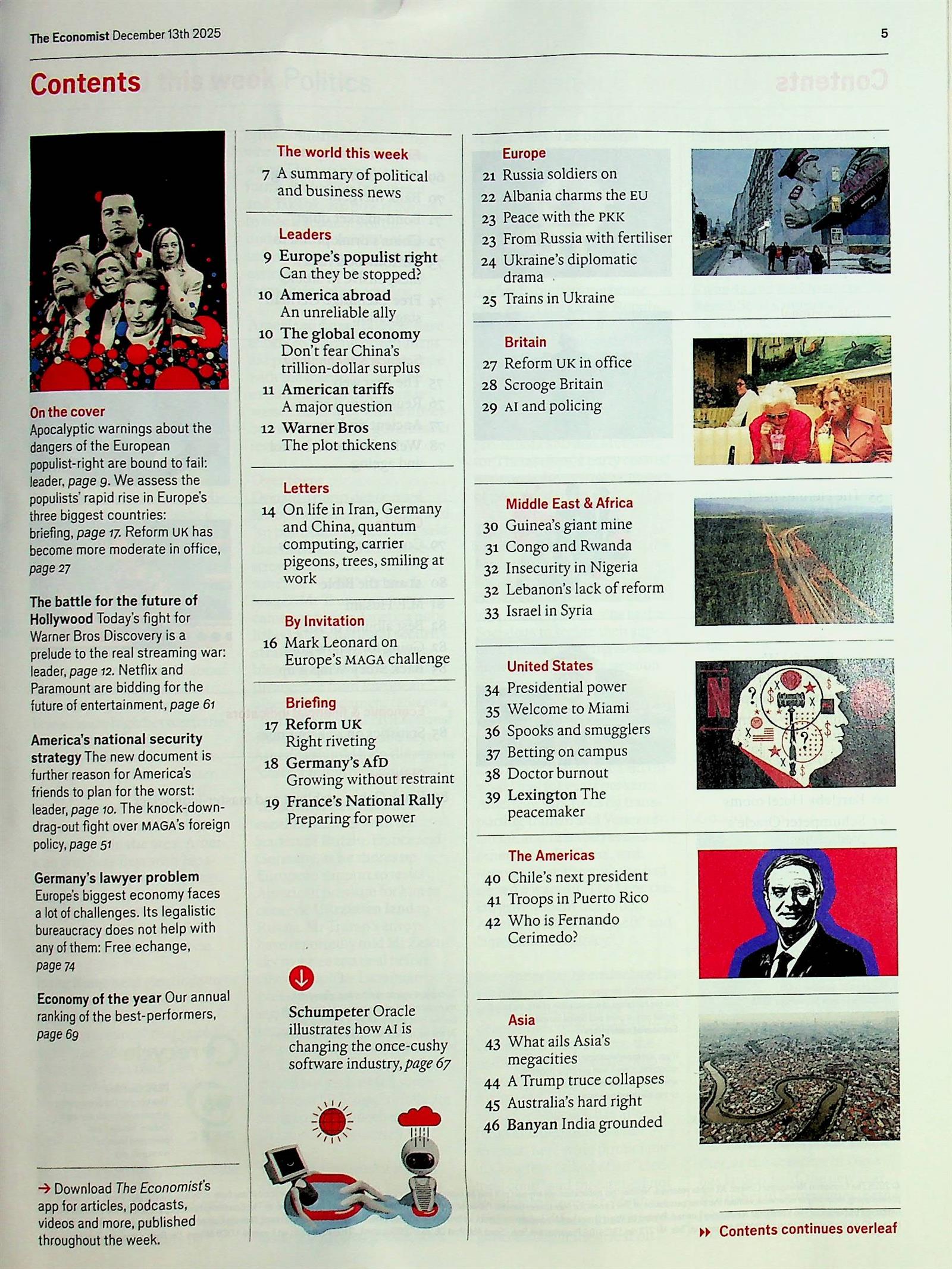
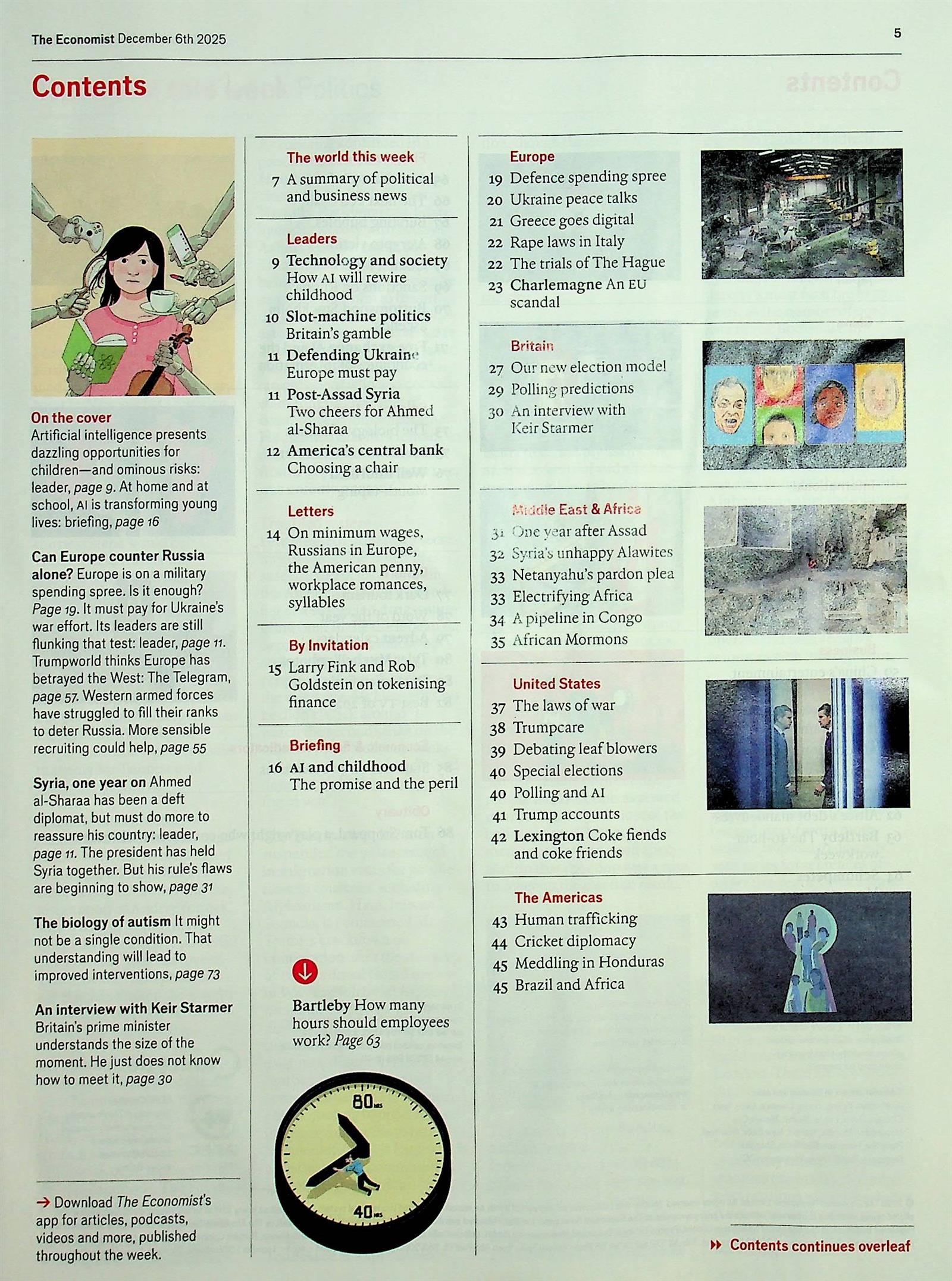
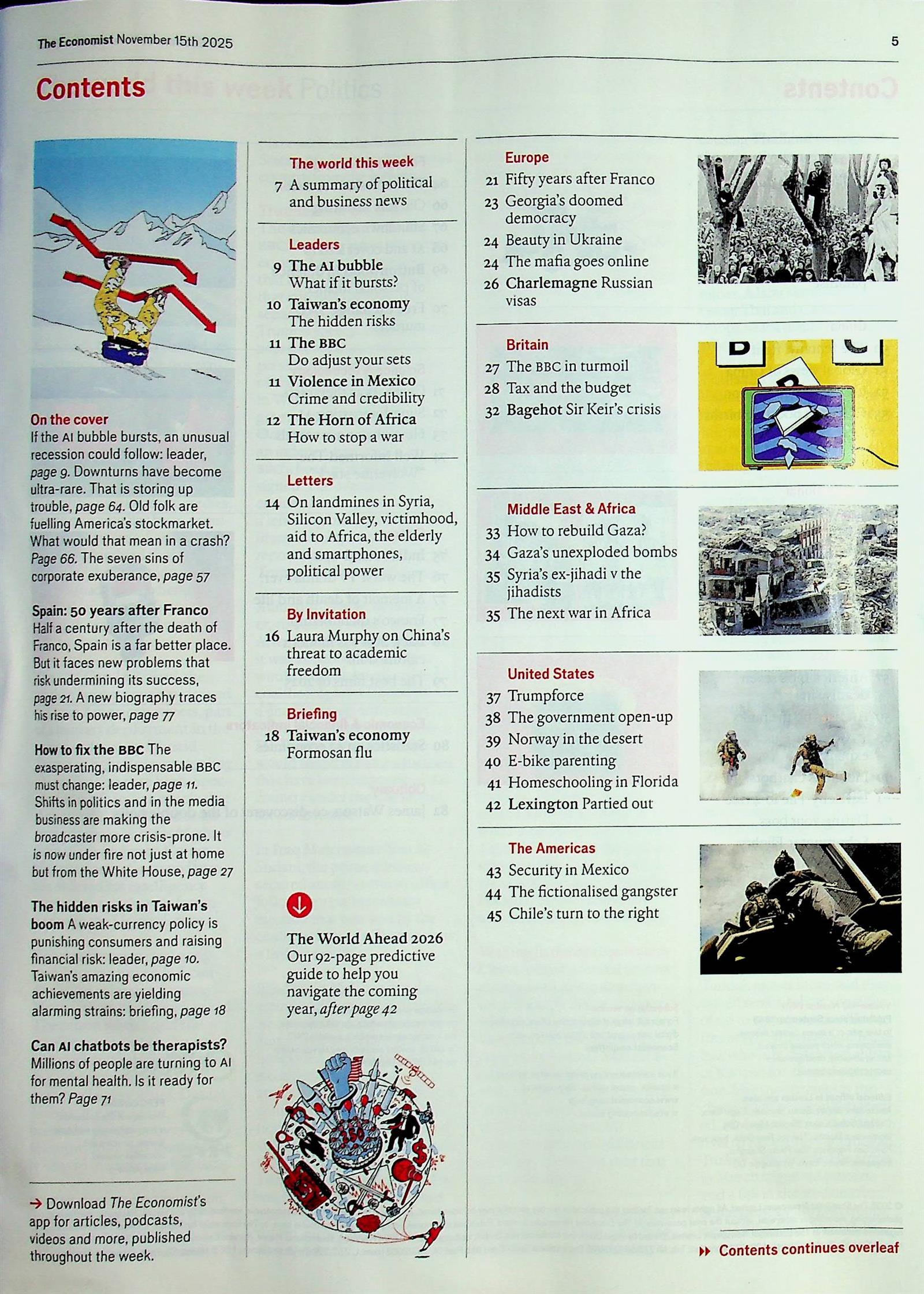
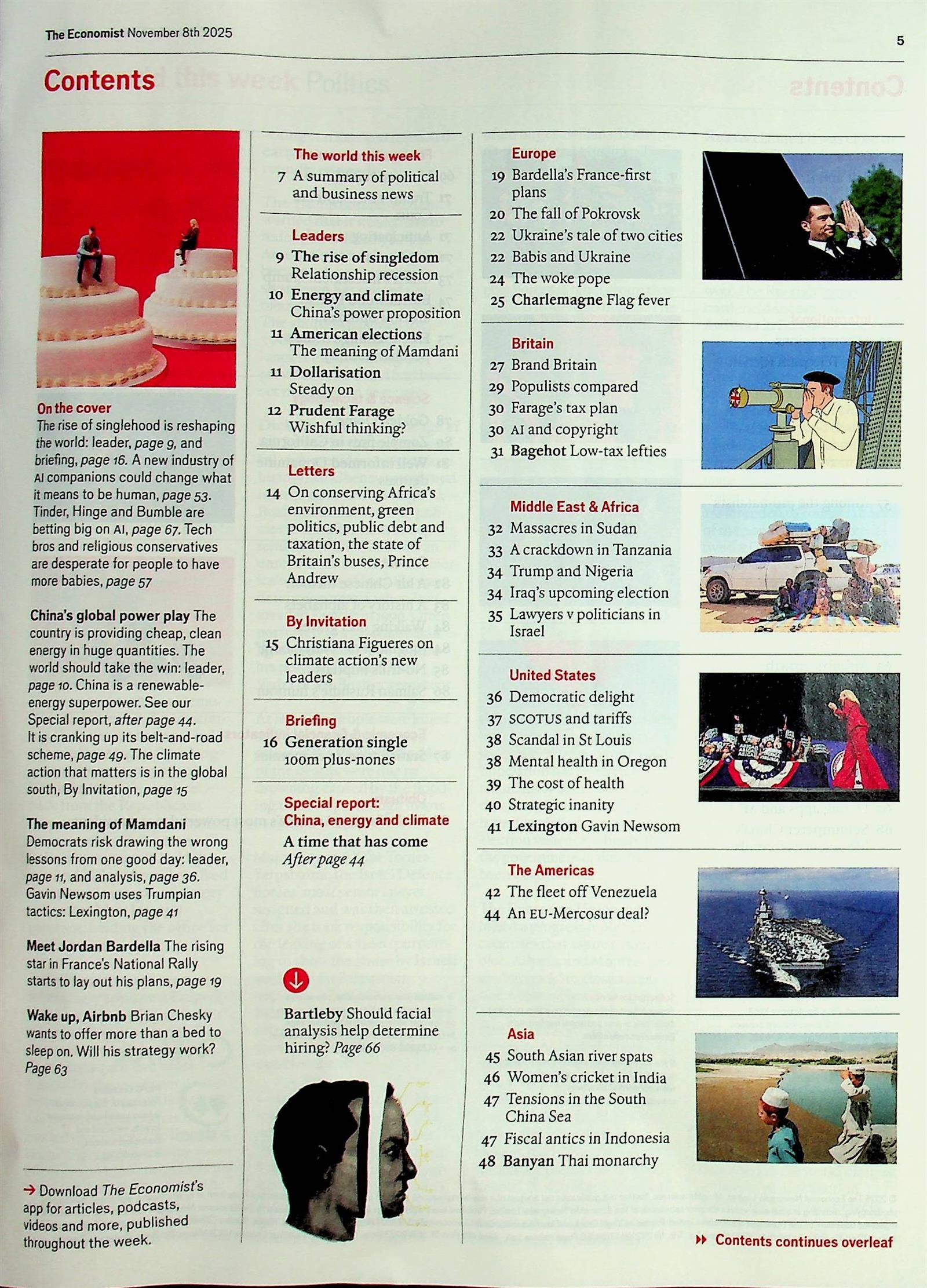
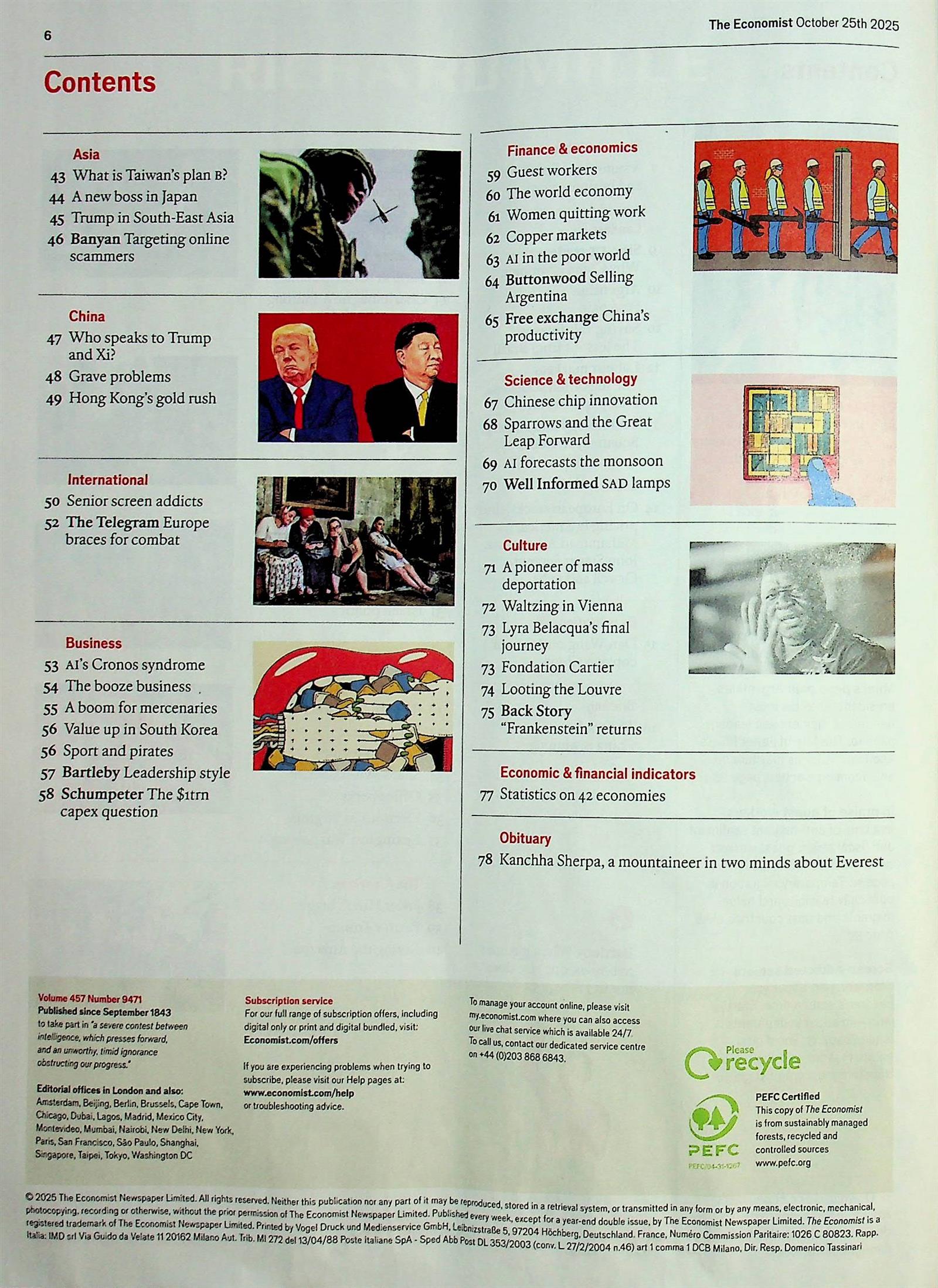
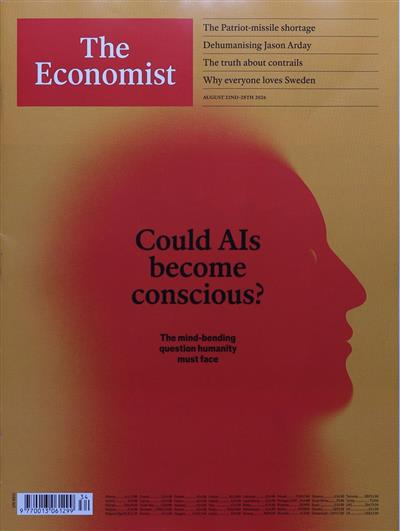
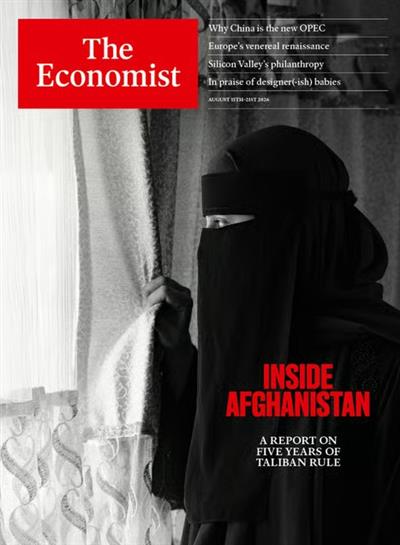
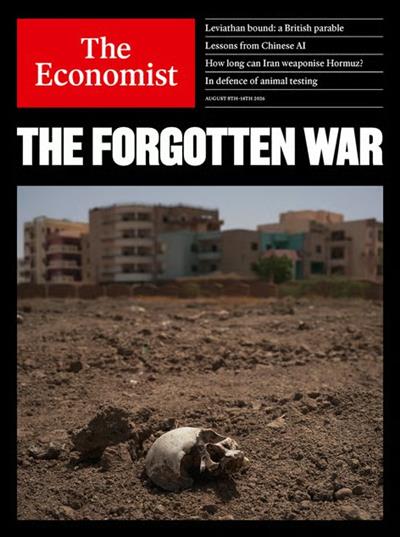
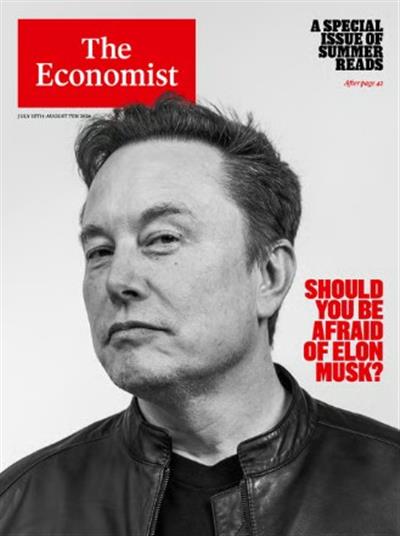
Der Economist ist eine der weltweit ältesten Zeitschriften und erscheint seit 1843. Das Magazin erscheint wöchentlich und wird in London herausgegeben.
Inhaltlich ist der Economist durch seine liberale Ausrichtung und die internationale Berichterstattung gekennzeichnet. Das Magazin erscheint in englischer Sprache und wird in sage und schreibe 200 Ländern herausgegeben. Die Schwerpunktthemen des Economist sind Politik, Wirtschaft und Finanzen. Darüber hinaus finden sich aber immer auch Artikel aus der Welt der Wissenschaft sowie Kunst und Kultur. Bekannt wurde der Economist unter anderem durch seine Indizes. So wird mit dem „Big-Mac-Index“ die Kaufkraft einer Währung bestimmt, zudem existieren auch der „Demokratie-Index“ und der „Global Peace Index“, die weltweite Beachtung finden.
Mit einer weltweiten Auflage von 1,6 Millionen verkauften Exemplaren (Stand 2016) zählt der Economist zu den bekanntesten Wirtschaftszeitschriften der Welt. Die Leserinnen und Leser zeichnen sich durch eine überdurchschnittliche Bildung sowie ein hohes politisches und ökonomisches Interesse aus.
Kennzeichnend für den Economist ist die fehlende namentliche Kennzeichnung der Artikel. Noch nicht einmal der Chefredakteur wird erwähnt.
Der Economist ist ein Produkt des Unternehmens The Economist Newspaper Limited, London.
Der Economist ist Teil der politischen International Zeitschriften. Wem der Sinn nach noch mehr englischsprachiger Lektüre steht, der ist mit der Financial Times Mo-Fr oder der Atlantic Monthly bestens beraten.
Will bonds blow up?
Rich-world governments face a rude awakening: investors are dumping bonds just as public debts stand roughly twice as high, relative to GDP, as at the century’s turn. Borrowing, once almost free, now costs more than at any point since the 1990s or 2000s, putting immense strain on budgets.
Germany and France want EU storm gates for China’s trade surge
China sees a weak, divided Europe: technologically outclassed, militarily dependent and reliant on Chinese supplies. Yet the EU enters trade talks armed with grievances over subsidised Chinese competition, an undervalued currency, blocked technology transfers and Beijing’s weaponisation of rare earths. China’s backing for Russia’s war in Ukraine deepens Europe’s anger.
Effective altruism is this century’s biggest idea
Effective altruism, an ethical doctrine developed by Oxford philosophers, has rapidly gained influence in Silicon Valley, leading AI companies and political circles. The Trump administration is alarmed: the Pentagon rejects an effective-altruist America, the secretary of war calls it “defective altruism”, and other officials portray it as dystopian.
Mirror life is dangerous. Regulators must act before it becomes real
SYNTHETIC BIOLOGY is moving fast and artificial intelligence is turbocharging it. Soon scientists may be able to create whole cells from scratch. This could allow the AI-assisted exploration of completely unnatural biochemistries.
When America walks away
America has no easy exit from its war with Iran. Whatever the outcome, the conflict may mark the end of its dominance in the Middle East. For the first time since the Ottoman empire’s collapse, the region’s order would no longer be imposed from afar. Whether that brings renewed violence or a fresh start remains uncertain.
Don’t let AI kill the author
Good prose and creative destruction are colliding as AI-generated writing wins literary awards, appears on op-ed pages and enters political speeches. AI probably drafted one in ten words spoken in Britain’s parliamentary debates and one in seven in America’s House of Representatives.
Can the AI arms race be stopped?
AI experts themselves warn their technology could lead to catastrophe, even human extinction. At the same time, technological progress is intensifying the destruction in Ukraine. Both developments offer conflicting insights into whether, and how, the rapid pace of AI advancement could or should be slowed.
The selfish case for helping Ukraine has never been stronger
War's fortunes can shift fast. Despite over 1,000 daily casualties, Russia was stuck on the front line while Ukrainian strikes deep inside enemy territory piled pressure on Putin. Now Russia exploits new technology and increased production to hit Ukrainian cities with savage ferocity. Ukraine's front line holds, but European allies must redouble support—their future defence begins here.
What should Germany do about its rising right?
Germany faces a red alert: on September 6th, the AfD won 44% of the vote in Saxony-Anhalt. The party employs unrepentant former neo-Nazis and has been labelled “extremist” by the intelligence service. It may become the first populist-right party to govern one of Germany’s 16 states since 1945.
In praise of the Democrats’ disarray
Ahead of the midterms, America’s parties are pursuing opposite approaches. Republicans are united behind Donald Trump, who rallied supporters in Dallas and promised every adult American $5,000 if they win. Democrats are divided over leadership, strategy and ideology, while socialists seek a central role. Republicans hope their discipline will outweigh Democratic chaos on the campaign trail.
Der Economist ist eine der weltweit ältesten Zeitschriften und erscheint seit 1843. Das Magazin erscheint wöchentlich und wird in London herausgegeben.
Inhaltlich ist der Economist durch seine liberale Ausrichtung und die internationale Berichterstattung gekennzeichnet. Das Magazin erscheint in englischer Sprache und wird in sage und schreibe 200 Ländern herausgegeben. Die Schwerpunktthemen des Economist sind Politik, Wirtschaft und Finanzen. Darüber hinaus finden sich aber immer auch Artikel aus der Welt der Wissenschaft sowie Kunst und Kultur. Bekannt wurde der Economist unter anderem durch seine Indizes. So wird mit dem „Big-Mac-Index“ die Kaufkraft einer Währung bestimmt, zudem existieren auch der „Demokratie-Index“ und der „Global Peace Index“, die weltweite Beachtung finden.
Mit einer weltweiten Auflage von 1,6 Millionen verkauften Exemplaren (Stand 2016) zählt der Economist zu den bekanntesten Wirtschaftszeitschriften der Welt. Die Leserinnen und Leser zeichnen sich durch eine überdurchschnittliche Bildung sowie ein hohes politisches und ökonomisches Interesse aus.
Kennzeichnend für den Economist ist die fehlende namentliche Kennzeichnung der Artikel. Noch nicht einmal der Chefredakteur wird erwähnt.
Der Economist ist ein Produkt des Unternehmens The Economist Newspaper Limited, London.
Der Economist ist Teil der politischen International Zeitschriften. Wem der Sinn nach noch mehr englischsprachiger Lektüre steht, der ist mit der Financial Times Mo-Fr oder der Atlantic Monthly bestens beraten.
 5,00
4,56
5,00
4,50
0,00
3,00
4,88
4,33
4,36
4,85
4,40
4,63
4,80
4,77
5,00
4,40
4,50
5,00
4,24
4,53
4,79
4,84
5,00
4,77
4,17
5,00
4,57
4,47
4,71
4,87
5,00
4,56
5,00
4,50
0,00
3,00
4,88
4,33
4,36
4,85
4,40
4,63
4,80
4,77
5,00
4,40
4,50
5,00
4,24
4,53
4,79
4,84
5,00
4,77
4,17
5,00
4,57
4,47
4,71
4,87